

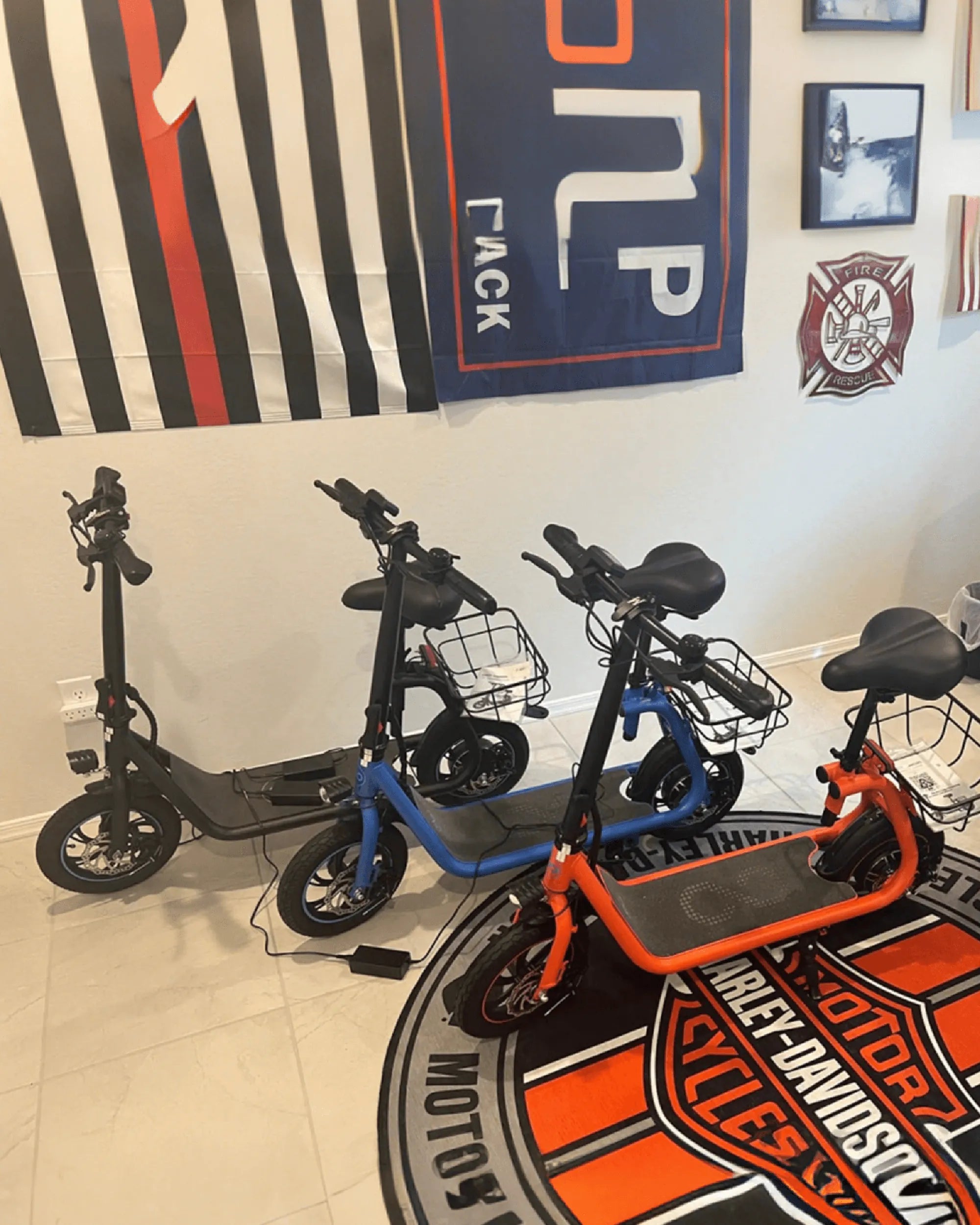
Electric bikes, or e-bikes, are revolutionizing the way we commute, explore, and stay active. Whether you're a fitness enthusiast, a daily commuter, or someone looking for a fun and eco-friendly way to get around, an e-bike could be your perfect match. But before you hop on and hit the road, there's a lot to learn. This e bike starter guide will walk you through everything you need to know—from choosing the right type to mastering your first ride.
What Is an E-Bike?
An e-bike is a bicycle equipped with an electric motor that assists with pedaling. Unlike traditional bikes, e-bikes provide varying levels of pedal assistance, making uphill climbs and long distances easier to tackle. Most e-bikes also come with a throttle mode, allowing riders to cruise without pedaling at all.
Types of E-Bikes
E-bikes come in several styles, each designed for different riding needs:
- City/Commuter E-Bikes: Built for urban environments with comfortable seating and practical features like racks.
- Mountain E-Bikes: Designed for off-road trails with robust frames and enhanced suspension.
- Folding E-Bikes: Compact and portable, ideal for commuters with limited storage space.
- Cargo E-Bikes: Equipped to carry heavy loads, perfect for errands or deliveries.
Why Choose an E-Bike?
E-bikes offer numerous advantages over traditional bicycles and cars:
- Eco-Friendly: Reduce carbon emissions and traffic congestion.
- Cost-Effective: Save on fuel, parking, and public transport costs.
- Health Benefits: Get exercise while enjoying pedal assistance when needed.
- Convenience: Faster than regular bikes with less physical strain.
Key Features to Consider
Before purchasing an e-bike, consider these essential factors:
- Motor Power: Measured in watts (W), higher power means better performance on hills.
- Battery Life: Determines how far you can ride on a single charge.
- Frame Material: Aluminum is lightweight and durable, while steel offers strength.
- Braking System: Disc brakes provide better stopping power, especially in wet conditions.
How to Ride an E-Bike Safely
Riding an e-bike is similar to a traditional bike but requires some adjustments:
- Start Slow: Get comfortable with the motor assistance at lower speeds.
- Use Proper Gear: Always wear a helmet and reflective clothing.
- Follow Traffic Rules: Obey speed limits and bike lane regulations.
- Practice Braking: E-bikes are heavier, so braking distances may be longer.
Maintenance Tips for Longevity
To keep your e-bike running smoothly, follow these maintenance practices:
- Charge the Battery Properly: Avoid overcharging and store in a cool, dry place.
- Check Tire Pressure: Proper inflation ensures better performance and safety.
- Clean Regularly: Dirt and grime can damage electrical components.
- Schedule Professional Servicing: Annual check-ups help prevent major issues.
Common E-Bike Myths Debunked
There are many misconceptions about e-bikes. Let's clear a few up:
- "E-bikes are just for lazy people." False—they encourage more people to cycle by reducing physical barriers.
- "E-bikes are too expensive." While upfront costs are higher, long-term savings outweigh them.
- "E-bikes don’t provide exercise." Riders still pedal, just with less strain.
Ready to embark on your e-bike journey? With the right knowledge and preparation, you’ll be zipping through streets and trails with confidence. Whether for fitness, fun, or practicality, an e-bike opens up a world of possibilities—so why wait? Your next adventure is just a pedal (or throttle) away!
Is an E-Bike Worth It? Exploring the Benefits and Drawbacks
Best E Bike Dirt Bike: The Ultimate Off-Road Adventure Companion