

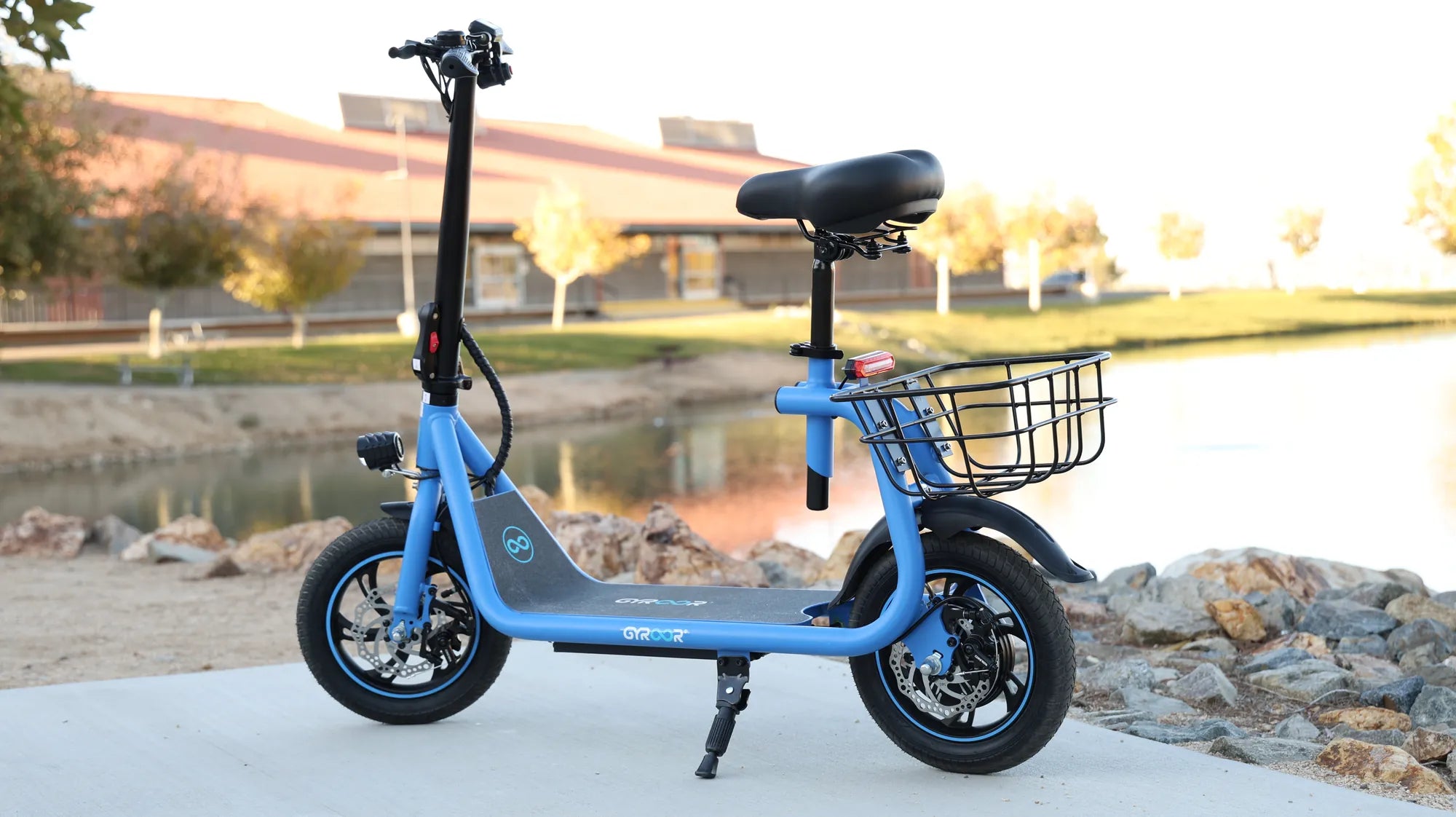
Introduction to Three-Wheeled E-Bikes
The electric bicycle landscape is evolving beyond the traditional two-wheel design. An e bike three wheels, commonly called an electric trike, represents a significant shift towards inclusive, stable, and utility-focused personal mobility. By adding a third wheel, typically at the rear, these vehicles create a stable triangular base that fundamentally changes the riding experience.
This design eliminates the primary challenge of standard cycling: balance. For many riders, this is a game-changer, opening up electric-assisted travel to a much broader audience. The market for these stable platforms is growing rapidly, driven by demand for practical urban transport and accessible recreation.
Leading brands like Gyroor are entering this space with models that combine this stable geometry with trusted electric drive systems. Known for UL-certified batteries and robust construction, Gyroor's approach brings proven safety standards to the three-wheeled e-bike category. This guide will provide a comprehensive, data-driven look at everything you need to know about e bike three wheels technology.
Unmatched Stability and Safety: The Core Advantage
The paramount advantage of an e bike three wheels is its inherent stability. A two-wheeled bicycle must be kept upright through motion and rider balance. A trike, with its three-point contact with the ground, remains stable even at a complete stop. This simple physical difference has profound implications for safety and accessibility.
This stability directly addresses the concerns of riders who may lack confidence, have balance issues, or simply prefer a more planted feel on the road. It transforms the experience of riding in traffic, as you can come to a halt without putting a foot down or worrying about tipping over. The design is particularly forgiving on uneven surfaces like gravel, grass, or cracked pavement.
For cargo applications, this stability is non-negotiable. Loading a heavy basket or rear cargo box on a two-wheeled bike can dramatically affect its handling and balance. A three-wheeled platform provides a secure, level base that can be loaded without compromising the rider's safety, making the e bike three wheels an ideal utility vehicle.
How Three-Wheel Design Enhances Rider Confidence
The confidence boost comes from specific engineering principles. First, the wheelbase is wider, especially between the two rear wheels. This creates a larger footprint, lowering the center of gravity and making it extremely resistant to tipping sideways. The frame is often designed to accommodate this geometry, resulting in a step-through style for easy mounting.
Second, the riding position is typically more upright. This allows riders to have a full view of their surroundings and maintain a comfortable, relaxed posture. The act of starting and stopping becomes effortless; you simply pedal or engage the throttle to go, and brake to stop, without any balancing act. This is crucial for seniors or those with mobility limitations.
Finally, the stability allows riders to focus on the journey rather than the mechanics of balancing. This reduces cognitive load and stress, making cycling a more enjoyable and sustainable mode of transport for everyday errands or leisurely rides. The e bike three wheels design effectively removes the largest barrier to entry for many potential cyclists.
Key Features and Specifications to Consider
Choosing the right e bike three wheels requires careful evaluation of its specifications. Performance, comfort, and durability are dictated by a set of key components. Understanding these specs ensures you select a trike that matches your intended use, whether for daily commuting, cargo hauling, or recreational cruising.
Beyond the basic three-wheel configuration, the motor, battery, frame, and braking systems define the capabilities of the vehicle. A high-quality trike from a reputable manufacturer will use reliable components designed to work together seamlessly, providing a safe and enjoyable ride for years. Let's break down the critical features.
Motor Power and Battery Range (The Performance Duo)
Motor power, measured in watts (W), determines your trike's ability to climb hills and accelerate. Most e bike three wheels models feature motors between 500W and 750W. A 500W motor is sufficient for flat to moderately hilly terrain with a rider and some cargo, while a 750W motor offers more robust performance for steeper inclines or heavier loads.
The battery, measured in watt-hours (Wh), dictates your range. A typical trike might have a 48V 15Ah battery, equating to 720Wh. Real-world range varies from 20 to 50 miles per charge, depending on rider weight, cargo, terrain, and assist level. It is critical to choose a model with a UL-certified battery pack, like those used by Gyroor, which undergo rigorous testing for safety and longevity over 500+ charge cycles.
Frame Design, Load Capacity, and Comfort
The frame is the backbone of the trike. Most e bike three wheels use a step-through design, allowing riders to step into the bike rather than swing a leg over the top tube. This is essential for accessibility. Frame material, usually aluminum alloy for a balance of strength and weight, must be robust to handle the stresses of a wider chassis.
Load capacity is a standout spec for trikes. Many models support 350 to 400 pounds, encompassing the rider and significant cargo. Comfort features include wide, padded seats, adjustable handlebars and stems, and often front suspension forks to absorb road vibrations. Some models offer rear suspension or balloon tires for additional comfort on rough surfaces.
Ideal Use Cases: Who Benefits Most?
The unique attributes of an e bike three wheels make it the optimal choice for specific rider profiles and applications. Its design solves particular problems that two-wheeled e-bikes cannot address as effectively. By matching the trike's strengths to user needs, it becomes an indispensable tool for mobility and utility.
From the urban dweller avoiding parking fees to the retiree seeking an active lifestyle, the electric trike fills a vital niche. Its utility extends into commercial realms, offering a green alternative for local delivery and service businesses. Understanding these use cases helps identify if a trike is the right solution for your transportation needs.
Urban Commuters and Errand Runners
For city living, an e bike three wheels is a practical car replacement. Integrated front and rear baskets or racks turn grocery shopping into a single, efficient trip without the worry of bags affecting balance. Commuters arrive at work sweat-free thanks to pedal assist, and avoid parking hassles and costs. The stable platform is ideal for navigating stop-and-go traffic and busy streets.
Senior Riders and Accessibility
This is perhaps the most transformative application. An electric trike promotes independent mobility and an active lifestyle for older adults. The assisted pedaling reduces joint strain, while the stability mitigates the fear of falling. It enables seniors to run errands, visit friends, and enjoy outdoor recreation without relying on a car or public transport, significantly enhancing quality of life and social connection.
Commercial and Cargo Applications
Businesses are increasingly adopting heavy-duty e bike three wheels models with large cargo beds. These serve as eco-friendly utility vehicles for mobile food vendors, courier services, warehouse logistics, landscapers, and maintenance crews. They offer zero-emission operation, low running costs, and access to pedestrian areas where trucks cannot go, all while carrying several hundred pounds of gear or products.
Three-Wheel vs. Two-Wheel E-Bikes: A Practical Comparison
Choosing between a trike and a traditional e-bike involves understanding a clear trade-off: ultimate stability and utility versus compact agility. The right choice depends entirely on the rider's primary needs and physical capabilities. The following table provides a data-driven comparison of key attributes.
| Feature | Three-Wheel E-Bike (Trike) | Two-Wheel E-Bike |
|---|---|---|
| Stability at Low Speed/Stop | Excellent. No balancing required. | Requires rider balance. |
| Storage/Cargo Capacity | High. Often includes integrated baskets/racks; higher weight limits. | Moderate. Requires add-ons; loading can affect handling. |
| Maneuverability in Tight Spaces | Lower. Wider turning radius. | High. More agile and nimble. |
| Ease of Mounting/Dismounting | Excellent. Step-through design is standard. | Varies. Can be challenging for some. |
| Top Speed & Sporty Handling | Moderate. Stable but less agile in fast turns. | High. Designed for speed and leaning into corners. |
| Portability (Weight/Size) | Lower. Heavier and bulkier; requires more storage space. | Higher. Generally lighter and easier to lift/store. |
| Ideal For | Seniors, balance concerns, cargo hauling, utility, relaxed riding. | Commuters seeking agility, fitness riders, sporty recreation. |
As the table illustrates, an e bike three wheels is a specialized tool optimized for stability and load-bearing. It is not inherently better or worse than a two-wheeled e-bike; it is designed for a different, equally important set of priorities.
FAQ: Your Questions About E-Bike Trikes Answered
Q1: Do I need a special license or registration to ride an e-bike three wheels?
A1: In most regions in the US and Europe, no. Electric trikes that comply with standard e-bike classifications (with a top motor-assisted speed of 20-28 mph) are treated as bicycles. However, local laws vary, especially for higher-power or cargo-specific models. Always check your municipal and state/provincial regulations.
Q2: Are three-wheeled e-bikes difficult to store or transport?
A2: They are larger and heavier than most two-wheeled e-bikes. You will need a garage, shed, or a dedicated indoor space for storage. Transporting them typically requires a ramp and a truck or a trailer, as they are difficult to lift onto standard bike racks. Consider storage space before purchasing.
Q3: How do they handle on hills and sharp turns?
A3: On hills, the motor power is key. A 750W motor will handle most moderate hills well, even with cargo. During turns, caution is advised. While stable in a straight line, taking a sharp turn at high speed can potentially lead to tipping due to the higher center of gravity compared to a leaning two-wheeler. Always slow down for corners.
Q4: What is the typical warranty, and how is servicing handled?
A4> Reputable brands offer comprehensive warranties. For example, Gyroor provides a 1-year warranty covering the frame, motor, battery, and electronic components. Service is a crucial consideration; choose a brand with accessible customer support and available parts. Gyroor's US-based support network is a model for reliable post-purchase care.
Q5: Can I pedal an e-bike three wheels without the motor?
A5> Yes, most models function as traditional pedal trikes if the battery is depleted. However, due to their additional weight and rolling resistance from the extra wheel, pedaling without assistance is significantly more strenuous than on a lightweight two-wheeled bike. The electric assist is designed to make this weight manageable.
Making the Right Choice: Key Purchasing Considerations
Before investing in an e bike three wheels, align the model's specifications with your personal requirements. Start by honestly assessing your primary use: is it for daily errands, leisurely rides, or heavy cargo? This will guide your decisions on motor power, battery size, and accessory compatibility like racks and baskets.
Next, prioritize safety certifications. Never compromise on battery safety. Insist on a UL-certified battery system, which has passed rigorous tests for electrical and fire safety. Similarly, look for quality mechanical components: hydraulic or premium mechanical disc brakes for reliable stopping power, and a sturdy frame from a known manufacturer.
Finally, consider the total cost of ownership. A higher initial investment in a quality trike from a brand with strong customer support and warranty (like Gyroor) often pays off in long-term reliability and safety. Factor in the potential savings from replacing car trips, which can offset the purchase price over time.
Conclusion: Is a Three-Wheel E-Bike Right for You?
The decision to choose an e bike three wheels hinges on a clear-eyed evaluation of your needs for stability, utility, and accessibility. If your priorities include effortless mounting, the ability to carry heavy or bulky loads, or riding with maximum confidence without balancing, then an electric trike is likely an excellent fit. It represents a shift towards practical, inclusive electric mobility.
If your needs skew more towards sporty handling, easy storage in an apartment, or maximizing speed and agility, a traditional two-wheeled e-bike may be more suitable. The three-wheeled design is a specialist, excelling in its niche. By focusing on reputable brands that prioritize safety features like UL-certified batteries, IPX5 water resistance, and robust warranties, you ensure a reliable and secure riding experience.
Explore the innovative designs and engineering that make modern e-trikes a compelling choice. For those ready to experience the stability and freedom of a three-wheeled electric bike, a trusted brand awaits. Browse the full Gyroor collection at gyroorboard.com to discover models built with the safety and reliability trusted by over 100,000 riders.
E-Bike Discount: The Strategic Guide to Finding Genuine Value & Safety
How Much Is a Dirt Bike for a 12 Year Old: The 2024 Parent's Guide