


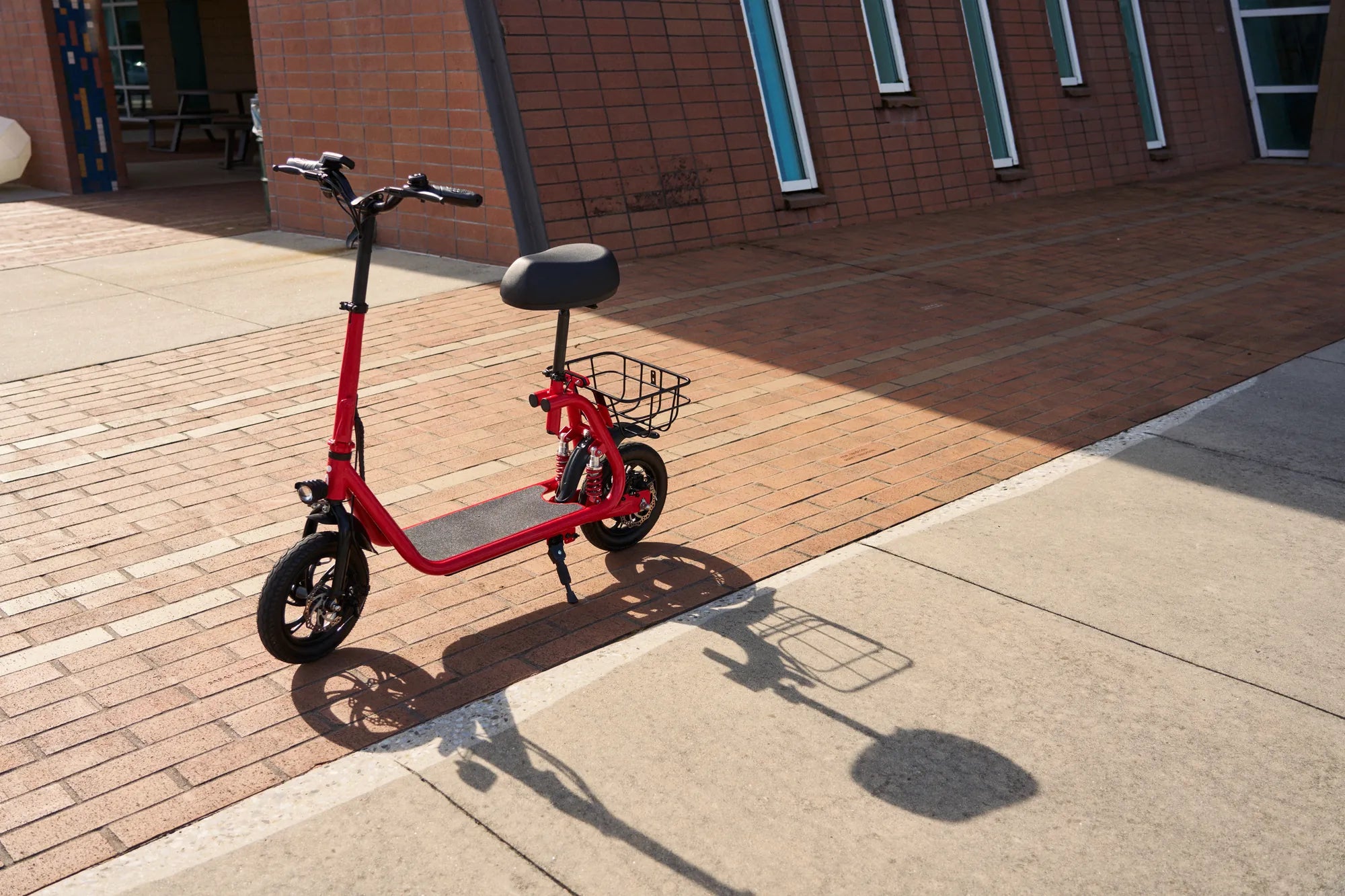
Electric mobility is revolutionizing transportation, offering eco-friendly alternatives to traditional gas-powered vehicles. Among the most popular options are e-bikes and e-motorcycles, each catering to different needs and preferences. Whether you're a daily commuter, an adventure seeker, or simply looking for a fun way to get around, understanding the differences between these two electric rides is crucial.
What Defines an E-Bike?
E-bikes, or electric bicycles, are pedal-assisted vehicles designed to make cycling easier and more efficient. They typically feature:
- A lightweight frame, often resembling traditional bicycles
- Pedals that must be used to engage the electric motor
- Lower maximum speeds (usually capped at 20-28 mph depending on regulations)
- Battery ranges between 20-80 miles per charge
E-bikes are ideal for urban commuting, recreational riding, and fitness enthusiasts who want occasional assistance on hills or long distances.
The Power and Performance of E-Motorcycles
E-motorcycles represent a more powerful electric alternative, designed for riders seeking performance comparable to traditional motorcycles. Key characteristics include:
- Higher power output and torque for faster acceleration
- Top speeds ranging from 45 mph to over 100 mph
- Throttle-controlled operation without pedal requirements
- Longer ranges, often 50-150 miles per charge
These vehicles are better suited for highway riding, longer commutes, and riders who prioritize power over pedal assistance.
Legal and Regulatory Differences
The classification of these vehicles varies by jurisdiction, affecting where and how you can ride them:
- E-bikes are often treated like regular bicycles, requiring no license or registration
- E-motorcycles typically require motorcycle licenses, registration, and insurance
- Many cities allow e-bikes on bike lanes and paths where motorcycles are prohibited
- Helmet laws may differ between the two vehicle types
Always check local regulations before purchasing either vehicle to ensure compliance with laws in your area.
Cost Comparison: Initial Investment and Ongoing Expenses
The price difference between these electric options can be significant:
- E-bikes generally range from $1,000 to $5,000
- E-motorcycles typically start around $5,000 and can exceed $20,000
- Battery replacement costs are lower for e-bikes
- E-motorcycles may require more expensive maintenance and insurance
While e-motorcycles have higher upfront costs, they may be more cost-effective for certain riders depending on usage patterns and local fuel prices.
Practical Considerations for Daily Use
Your lifestyle and transportation needs should guide your choice:
- E-bikes are easier to store in apartments and can often be brought indoors
- E-motorcycles require dedicated parking spaces in many urban areas
- Charging infrastructure may differ, with e-bikes often charging at standard outlets
- E-motorcycles may need specialized charging equipment for faster charging
Consider your daily commute distance, storage options, and access to charging when making your decision.
Environmental Impact and Energy Efficiency
Both options offer significant environmental benefits over gas-powered vehicles, but with some differences:
- E-bikes consume far less electricity per mile than e-motorcycles
- Smaller batteries mean lower manufacturing environmental impact for e-bikes
- Both produce zero direct emissions during operation
- E-motorcycles can replace car trips more effectively for some users
The greenest choice depends on what vehicle you're replacing and how you'll use your electric ride.
Safety Features and Riding Experience
The riding experience differs substantially between these two electric options:
- E-bikes offer a more familiar cycling experience with added assistance
- E-motorcycles provide a traditional motorcycle feel with instant torque
- Higher speeds on e-motorcycles require more protective gear
- E-bikes may be safer for new riders due to lower speeds
Your comfort level with two-wheeled vehicles should play a major role in your decision-making process.
Choosing between an e-bike and e-motorcycle ultimately comes down to your specific needs, budget, and riding preferences. For urban commuters seeking convenience and exercise, e-bikes offer an unparalleled combination of benefits. Those needing highway-capable speeds and longer ranges will find e-motorcycles more suitable. Whichever you choose, you'll be joining the electric revolution that's transforming personal transportation one ride at a time.
Scooter Children Toddler Adjustable Handlebars: The Ultimate Guide for Safe and Fun Rides
Do I Need a Motorcycle License for a Scooter? The Ultimate Guide