


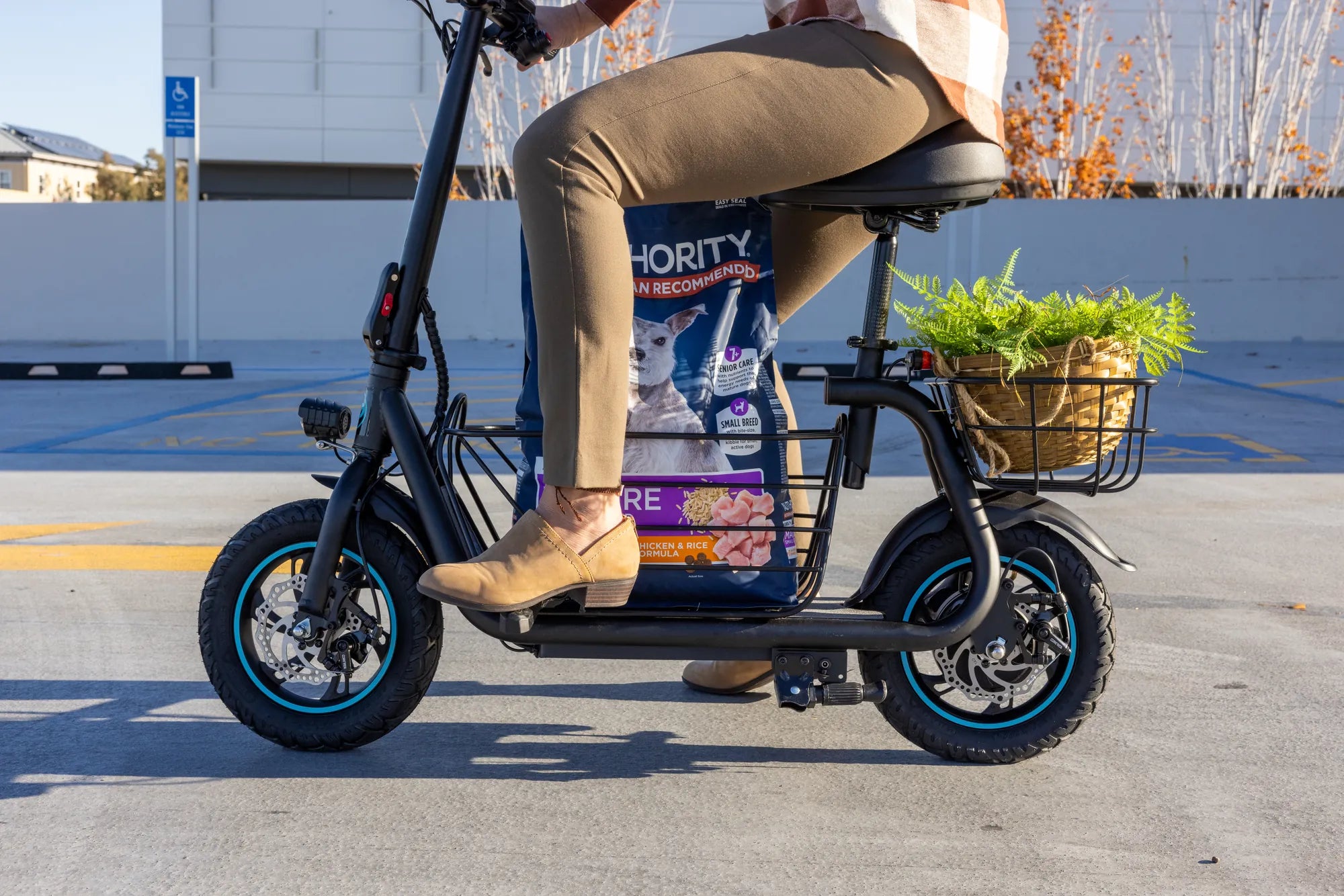
Urban commuters are increasingly turning to electric-powered personal transportation, but the choice between an e-bike and a scooter isn't always straightforward. Both options promise eco-friendly mobility, reduced commute times, and cost savings compared to traditional vehicles. Yet each has distinct advantages that make it better suited for certain riders and situations. Let's break down the e bike vs scooter debate to help you find your perfect ride.
Speed and Performance Comparison
When it comes to raw speed, scooters typically have the edge. Most electric scooters can reach speeds between 15-30 mph, with some high-performance models exceeding 40 mph. E-bikes, while generally slower with top speeds around 20-28 mph (depending on local regulations), offer better acceleration from a standstill thanks to pedal-assist technology.
Range and Battery Life
E-bikes generally provide superior range, with many models offering 30-100 miles per charge. Scooters tend to max out around 30-50 miles for premium models. However, scooter batteries charge faster - typically 4-6 hours compared to 4-8 hours for e-bikes. Both options benefit from regenerative braking systems that can slightly extend range.
Comfort and Riding Experience
The riding experience differs significantly between these two options. E-bikes provide:
- More comfortable seating positions
- Better suspension systems
- Increased stability at higher speeds
Scooters offer more compact designs but can be less comfortable for longer rides due to smaller wheels and limited suspension.
Portability and Storage
Scooters win when it comes to portability. Most models fold down to a compact size, making them easy to carry onto public transportation or store in small apartments. E-bikes, while some are foldable, generally require more storage space and are heavier to transport manually.
Safety Considerations
E-bikes typically provide better safety due to:
- Larger wheels that handle bumps and potholes better
- More stable riding positions
- Better visibility in traffic
- Availability of lighting and reflectors
Scooters can be more hazardous in wet conditions and require extra caution on uneven surfaces.
Cost Comparison
Initial purchase prices vary widely for both categories, but generally:
- Entry-level scooters: $300-$800
- Premium scooters: $1,000-$3,000
- Entry-level e-bikes: $1,000-$2,000
- Premium e-bikes: $3,000-$8,000+
Long-term maintenance costs tend to be lower for scooters, while e-bikes may require more frequent servicing of mechanical components.
Legal Regulations
Laws governing e-bikes and scooters vary by location but typically:
- E-bikes are classified based on speed and power
- Scooters often face more restrictions on where they can be ridden
- Helmet laws may differ between the two
- Some cities require registration or insurance for one or both
Always check local regulations before purchasing either option.
Environmental Impact
Both options are significantly more eco-friendly than cars, but e-bikes generally have:
- Longer lifespans (reducing waste)
- Larger batteries that can be recycled
- Potential for manual pedaling to extend range
Scooters compensate with smaller batteries and lighter overall materials.
Commuter Scenarios
For short urban commutes (under 5 miles), scooters offer unbeatable convenience. For longer distances or mixed terrain, e-bikes provide more versatility. Consider your typical route - scooters struggle with hills, while e-bikes can handle them with pedal assistance.
Whether you choose an e-bike or scooter ultimately depends on your specific needs, budget, and local infrastructure. Scooters shine for last-mile connectivity and ultra-compact storage, while e-bikes offer superior comfort and versatility for diverse riding conditions. Whichever you select, you'll be joining the growing movement toward sustainable urban transportation that's changing cities worldwide.
Are Electric Scooters Lightweight? Exploring Portability and Convenience
Can I Ride My E Scooter on the Road? A Complete Guide to E-Scooter Laws