

The Urban Mobility Crossroads: A Personal Choice
For millions navigating city streets, the daily journey to work is a critical decision point. The e bike vs taxi commute dilemma represents a fundamental choice between autonomy and on-demand service, between a personal investment and a recurring transactional cost. This analysis goes beyond surface-level impressions to examine the hard data on finances, time, and long-term lifestyle impact. We will explore how a quality electric bicycle, such as those engineered by Gyroor—a brand trusted by over 100,000 riders—can fundamentally reshape your daily transit, offering an alternative that prioritizes predictability, wellness, and personal control.
Defining the Modern Commuting Contenders
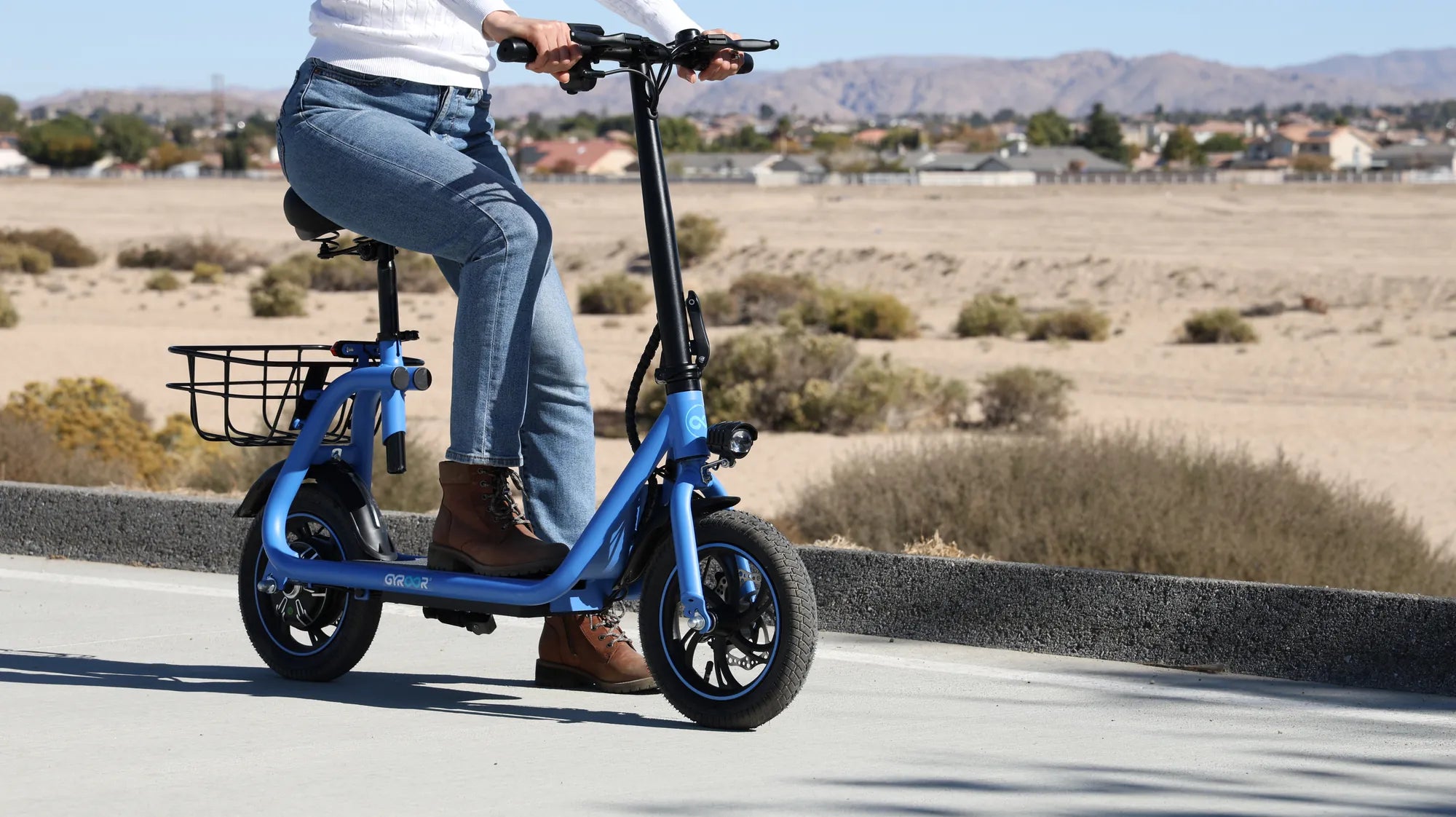
To fairly compare an e bike vs taxi commute, we must first define the players. The modern electric bike is a pedal-assisted cycle with a UL-certified electric motor, offering riders the option to pedal, use a throttle, or combine both for a tailored ride. Brands like Gyroor design these vehicles with commuter-specific features: integrated lighting, robust frames, and water-resistant electronics.
The modern taxi encompasses both traditional street-hail cabs and app-based Transportation Network Companies (TNCs) like Uber and Lyft. This service model provides a door-to-door vehicle with a professional driver, billed per trip based on distance, time, and dynamic demand pricing. The core distinction is ownership: one is a personal asset, the other a fleeting service.
The Financial Face-Off: Cost Per Mile and Long-Term Investment
This is where the e bike vs taxi commute comparison reveals stark differences. A taxi commute is a pure operational expense with no residual value. In a major U.S. city, the average cost per mile for a rideshare is between $2.00 and $3.50, not including tips or surge pricing. A 5-mile commute could easily cost $15-$25 one-way.
An e-bike commute involves a higher upfront capital cost but negligible per-mile expenses. A reliable commuter e-bike from a brand like Gyroor represents a significant one-time investment. The ongoing cost is essentially electricity for charging.
Charging a standard e-bike battery costs roughly 5-10 cents per full charge, providing a range of 20-40 miles. This translates to a cost per mile of less than half a cent. Maintenance (tires, brakes, occasional professional service) might add $0.03-$0.05 per mile annually. The financial break-even point is dramatic.
For a commuter spending $20 daily on taxis ($100/week), the annual cost exceeds $5,000. A Gyroor e-bike, backed by a 1-year warranty, pays for itself in mere months. After that, the commute becomes almost free, representing pure savings and a powerful return on investment.
Time Efficiency and Predictability in Urban Gridlock
Time is the non-renewable resource of commuting. In the e bike vs taxi commute battle, predictability is key. A taxi's travel time is at the mercy of road congestion, construction, and driver routing. ETAs are estimates, and surge pricing during peak hours can make a reliable commute financially volatile and stressful.
An e-bike commute offers remarkable consistency. By utilizing bike lanes, paths, and sometimes filtered traffic permissions, e-bikes are largely immune to the car traffic that snarls taxis. The rider controls the departure time, route, and pace. There is no waiting for a driver to arrive or navigating pickup pin confusion.
For distances between 2 and 10 miles in dense urban areas, a capable e-bike often matches or beats a taxi's door-to-door time. This advantage grows during rush hour. The mental benefit of a predictable schedule—knowing your commute will take 25 minutes every single day—is a significant reduction in daily stress that taxis simply cannot guarantee.
Health, Wellness, and Environmental Footprint
The e bike vs taxi commute choice impacts your body and the planet. A taxi commute is passive, often sedentary, and can be a source of frustration while stuck in traffic. An e-bike commute, even primarily using pedal-assist, engages the cardiovascular system, builds leg strength, and boosts endorphins.
Studies show e-bike riders achieve moderate physical activity levels, burning meaningful calories and contributing to long-term health. The mental clarity from fresh air and light exercise often leads to increased productivity and better mood, contrasting with the enclosed, passive taxi experience.
Environmentally, the difference is profound. A single-occupancy taxi, even an electric vehicle in a TNC fleet, has a much higher per-passenger-mile carbon footprint than an e-bike. Charging an e-bike's battery is extremely energy-efficient. When powered by a renewable energy mix, an e-bike's operational emissions are nearly zero, making it one of the most sustainable urban transport options available.
Convenience, Control, and The Daily Hassle Factor
Convenience in the e bike vs taxi commute debate is multifaceted. Taxis offer the convenience of not driving yourself and being dropped off precisely at your destination. However, this is balanced against the hassles of wait times, driver cancellations, surge pricing, and potential awkward social interactions.
An e-bike is the embodiment of instant, personal mobility. It's ready in your garage or storage area. You leave on your schedule. You control the music via headphones, the temperature with your clothing, and enjoy a private, personal space. Parking is typically easier and cheaper—often free at bike racks—compared to a taxi's curbside drop-off which may still leave you far from an office entrance.
For errands or multi-stop trips, the e-bike shines. There's no need to re-request a ride or pay waiting fees. With accessories like panniers or a front basket, carrying groceries or a work bag is seamless. This level of spontaneous, unmediated freedom is a core advantage over the transactional nature of taxi services.
Why a Gyroor E-Bike Tiltes the Scales Decisively
Choosing an e-bike is one thing; choosing the right e-bike maximizes the advantage in the e bike vs taxi commute calculation. Gyroor's engineering directly addresses the primary concerns that might hold commuters back. First, safety and reliability: every Gyroor model uses UL-certified battery packs, rigorously tested for over 500 charge cycles. This addresses the paramount concern of battery safety and long-term performance, offering peace of mind that surpasses the unknown maintenance history of a random taxi vehicle.
Second, all-weather capability: Gyroor's IPX5 water-resistant rating ensures the scooter can handle rain-washed streets and morning dew without failure. This reliability reduces "bad weather" as a default excuse to fall back on expensive taxis. Third, long-term value protection: the comprehensive 1-year warranty with accessible, US-based customer support provides a safety net. This warranty ensures your investment is protected, offering a level of cost certainty and support that no taxi app can provide to its riders.
Making the Right Choice: A Practical Decision Matrix
So, who wins the e bike vs taxi commute debate? The answer depends on your specific lifestyle and commute profile. A taxi (or rideshare) is best suited for: very short, infrequent trips where convenience outweighs cost; travel in extreme, dangerous weather emergencies; or commutes involving multiple passengers or heavy, bulky cargo on a given day.
An e-bike is the superior choice for: regular commuters with a consistent 3-15 mile route; cost-conscious individuals seeking to eliminate a major monthly expense; those who value predictable timing and detest being late; riders seeking to integrate light exercise and outdoor time into their daily routine; and urban dwellers who appreciate the freedom of spontaneous, unmediated travel without waiting or surge pricing.
Frequently Asked Questions (FAQ)
Is an e-bike commute practical in winter or bad weather?
Yes, with proper preparation. A water-resistant model like Gyroor's (IPX5 rating) handles rain well. With appropriate cold-weather gear (gloves, thermal layers, a windproof jacket), e-biking in cooler months is very feasible. In many cases, it's more reliable than sitting in weather-induced gridlock in a taxi.
Aren't taxis safer in heavy traffic?
Safety is primarily about behavior. In a taxi, you are a passive passenger subject to the driver's skill and the actions of other motorists. On an e-bike, you have active control. By wearing a helmet, using lights, obeying traffic laws, and prioritizing bike lanes or calmer routes, you can manage your risk effectively. Defensive riding puts safety in your hands.
How do I handle sweating on an e-bike commute?
The pedal-assist system is designed for this. Use a higher assist level for a more relaxed, motor-powered ride that requires minimal exertion. You can arrive without breaking a sweat. Alternatively, ride at a moderate assist for light exercise and keep a change of clothes or use workplace facilities. Many commuters find it an invigorating start to the day.
What about carrying groceries, a laptop, or other items?
Most commuter e-bikes, including Gyroor models, are designed with utility in mind. They feature sturdy rear racks that can be fitted with pannier bags, baskets, or cargo straps. This offers dedicated, secure storage that is often more consistent and accessible than the trunk of a taxi. For a laptop, a quality waterproof backpack combined with the bike's smooth ride is perfectly suitable.
How does the security of an e-bike work? What about theft?
Security requires a robust lock strategy. Use a high-quality U-lock or heavy-duty chain lock to secure the frame and rear wheel to a fixed object. Removable batteries (like Gyroor's) can be taken inside for charging and to deter theft. While theft is a risk, it is a manageable one with proper locks and common sense, similar to securing any valuable personal property in a city.
Data Comparison Table: E-Bike vs. Taxi Commute
| Comparison Factor | E-Bike Commute | Taxi / Rideshare Commute |
|---|---|---|
| Avg. Cost per Mile | ~$0.005 (electricity + maintenance) | $2.00 - $3.50+ (base + surge) |
| Upfront Cost | $1,000 - $2,500 (one-time purchase) | $0 (per-trip transactional) |
| Time Predictability | High (rider-controlled, traffic-immune) | Low (subject to traffic, driver ETA) |
| Health Benefit | Active, improves cardiovascular health | Passive, sedentary |
| Environmental Impact | Very Low (efficient electric motor) | High (single-occupancy vehicle miles) |
| Convenience & Control | Instant departure, personal space, easy parking | Door-to-door, no parking, but wait times & driver dependency |
| Weather Reliability | High with proper gear & water-resistant bike | High for passenger comfort, low for trip time in storms |
| Cargo Capacity | Consistent (racks, panniers) | Variable (trunk space not guaranteed) |
Reclaiming Your Commute: The Long-Term Perspective
The e bike vs taxi commute analysis reveals a clear pattern. While taxis provide an essential, on-demand service for specific situations, they are a costly and unpredictable solution for a daily routine. A quality e-bike is not merely a purchase; it is an investment in autonomy, health, financial savings, and time. It transforms the daily grind into an active, engaging, and empowering part of your day. By choosing a reliable brand like Gyroor, with its focus on safety-certified components, weather-ready design, and strong warranty support, you mitigate the risks and maximize the rewards of this transition. Stop viewing your commute as a service to be paid for repeatedly, and start seeing it as an opportunity to be seized. Explore the models designed for the realities of city life and join over 100,000 riders who have chosen a smarter way to move.
Ready to transform your daily journey? Browse the full collection of UL-certified, high-performance e-bikes and scooters at gyroorboard.com.
Toddler Scooter: The Ultimate Guide to First Rides & Developmental Play
Lightweight Bike Frame: The Ultimate Guide to Materials, Benefits & Performance