


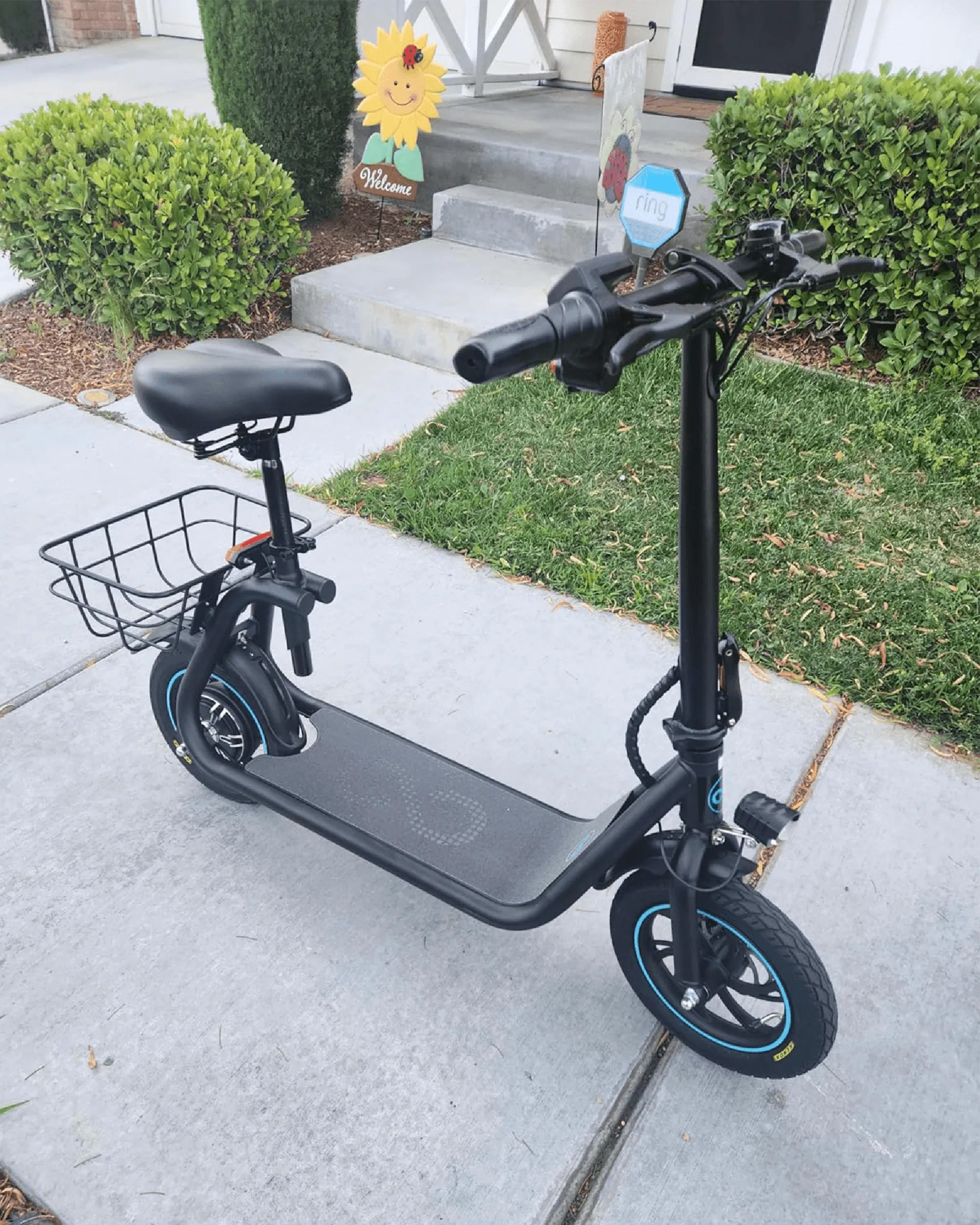
An e-bike with training wheels is not a contradiction; it's a gateway. For many adults, the dream of effortless, eco-friendly electric cycling is hindered by a simple, often unspoken barrier: a lack of balance or confidence. Training wheels transform an electric bicycle from an intimidating machine into a stable, empowering vehicle for commuting, recreation, and gentle exercise. This guide will provide you with all the data, considerations, and practical steps to understand, select, and safely use an e bike with training wheels, turning apprehension into accessible adventure.
Who Benefits Most from an E-Bike with Training Wheels?
The primary user base for an e bike with training wheels extends far beyond children. The electric assist mitigates physical strain, while the training wheels provide critical stability, creating a unique solution for several key demographics. Understanding these groups highlights the product's role in inclusive mobility.
Adult learners or those returning to cycling after a long hiatus form a significant segment. The fear of falling can be a major psychological block. Training wheels offer a "safety net" that allows these riders to focus on operating the controls—throttle, pedal assist levels, brakes—without the simultaneous pressure of balancing. This builds foundational confidence.
Seniors seeking low-impact exercise and independent transportation are ideal candidates. An e bike with training wheels provides stability for those with age-related balance concerns or minor joint issues, enabling them to enjoy the outdoors and run local errands without the risk associated with a standard two-wheeled bicycle. The pedal assist ensures they are not overexerted.
Individuals with certain mobility or balance challenges, including those in rehabilitation from injury or managing conditions like vertigo, find tremendous value. For therapeutic purposes, the combination of assisted motion and stable support can aid in physical therapy, coordination, and building core strength in a controlled, enjoyable manner.
Finally, individuals using e-bikes for utility purposes—like carrying heavy cargo or towing trailers—may opt for training wheels to enhance stability when the bike is stationary or moving at very low speeds, especially if the loaded weight significantly alters the bike's center of gravity.
Key Mechanical Considerations for Compatibility
Not every e-bike can safely or effectively accommodate training wheels. Success depends on specific mechanical and design factors. Ignoring these can lead to installation failure, frame damage, or unsafe riding conditions.
Frame Geometry and Rear Axle Design
The most critical factor is the rear dropout and axle. Training wheels typically attach via a bracket that mounts to the rear axle nuts or bolts. The axle must be long enough to accommodate this bracket without compromising thread engagement. Many modern e-bikes with quick-release axles are incompatible with standard training wheel kits, which require solid, bolt-on axles.
Frame design is equally important. Step-through or low-step frames are generally more compatible and easier to mount than high-step diamond frames. The rear chainstay and seatstay must also have adequate clearance for the training wheel arm and bracket without interfering with the derailleur, disc brake caliper, or wiring.
Motor Placement and Weight Distribution
The type of motor influences compatibility. Rear-hub motors are common but present a challenge: the training wheel bracket must fit around the motor casing. Some kits are designed specifically for wider hub motors. Mid-drive motors, located at the bike's center, free up the rear axle, often making attachment easier but potentially at a higher overall bike cost.
Weight capacity is a non-negotiable calculation. You must add the weight of the rider, any cargo, the e-bike itself, and the training wheels. The total must not exceed the e-bike's maximum gross weight rating. Exceeding this stresses the frame, motor, and battery, creating significant safety hazards.
Gyroor's Design Philosophy for Stability
Gyroor's e-bike lineup, particularly its comfort and commuter models, is engineered with stability and accessibility in mind. Features like reinforced rear dropouts, longer axle options on specific models, and a low center of gravity from strategically placed batteries make them more amenable to modification. Their commitment to a 1-year warranty on frame and components underscores the durability expected for such applications.
The Gyroor Safety Advantage: Engineering for Confidence
When adding training wheels, the underlying e-bike's inherent safety becomes paramount. Gyroor's core engineering principles directly address the heightened need for reliability in this use case, where riders may be more vulnerable.
The foundation of safety is the battery. Gyroor exclusively uses UL-certified lithium-ion battery packs. For an e bike with training wheels, often used by those less able to quickly dismount in an emergency, this certification is critical. It verifies the battery has passed rigorous tests for electrical, mechanical, and environmental safety, drastically reducing any risk of thermal runaway or fire—a concern with uncertified, generic batteries.
All-weather capability is ensured by an IPX5 water-resistant rating on key electrical components. Training wheels encourage riding in more conditions, as the rider feels more secure. IPX5 protection means the e-bike can withstand water jets from any direction, safeguarding the motor, controller, and display from rain and road spray, preventing short circuits that could cause sudden loss of power.
Finally, the 1-year comprehensive warranty provides essential peace of mind. It covers the frame, motor, battery, and electronic components. For a rider depending on training wheels, knowing that any manufacturing defect will be addressed without cost is a significant layer of financial and practical security, allowing them to focus on riding.
Installation and Setup: A Detailed, Step-by-Step Guide
Proper installation is crucial for safety and performance. Most aftermarket training wheel kits are universal, but following a meticulous process ensures a secure fit. Always consult your e-bike's manual first for any specific warnings or axle torque specifications.
Step 1: Gather Tools and Prepare. You will typically need wrenches (often 15mm or 17mm), a hex key set, a torque wrench (recommended), and the training wheel kit. Place the e-bike securely in a repair stand or upside down on a soft surface. Remove the rear wheel's axle nuts or bolts completely.
Step 2: Attach the Mounting Bracket. Slide the training wheel's mounting bracket onto the rear axle between the frame dropout and the original washer. Reinstall the axle nut or bolt, but do not fully tighten yet. Ensure the bracket arms point downward and are symmetrical on both sides.
Step 3: Attach the Training Wheels. Insert the training wheel arms into the bracket sleeves. Attach the actual wheels to the ends of the arms using the provided hardware. Adjust the height so that the training wheels are approximately 1/2 inch to 1 inch off the ground when the e-bike is upright. This allows the bike to lean slightly in turns for a more natural feel while still preventing a full tip-over.
Step 4: Final Tightening and Safety Check. Using a torque wrench, tighten all bolts to the manufacturer's specifications. Critical points are the axle nut (often 35-40 Nm) and the training wheel arm clamp bolts. Perform a pre-ride checklist: squeeze brakes, check tire pressure, ensure no wires are pinched, and firmly try to wobble the training wheels to confirm they are solidly mounted.
Riding Techniques and Transitioning to Two Wheels
Riding an e bike with training wheels requires some technique adjustments. The goal for many is to eventually build enough balance to remove them.
Starting and Stopping: Begin with the pedal assist on level 1 or use the throttle gently from a stop. The training wheels provide stability, so you can focus on smooth acceleration. When stopping, brake gently and evenly, knowing the bike will not fall over. Practice coming to a complete stop and putting a foot down while the bike remains upright.
Turning and Maneuvering: With training wheels set slightly high, you must initiate turns by leaning the bike, not just turning the handlebars. The wheels will prevent excessive lean. Practice wide, gradual turns at low speed first. Be aware of a slightly wider effective wheelbase; allow more space when navigating obstacles or tight corners.
Using Pedal Assist Effectively: Use lower assist levels (1-2) while learning. This gives you more control and a better feel for the bike's power. Avoid sudden, high-power starts that could strain the training wheel mounts. The electric assist is most valuable on hills, where the training wheels provide stability as the motor provides the power.
The Transition Process: When ready, consider "stabilizer" wheels that can be adjusted progressively higher. Alternatively, practice riding on a smooth, open, grassy field where falls are soft. Start by trying to balance for a few seconds between training wheel contacts, gradually increasing the time. Ultimately, have a helper adjust the wheels up one notch, then remove them entirely for short, straight-line practice runs.
Top E-Bike Models and Features for Training Wheel Compatibility
Choosing the right base e-bike is half the battle. Certain designs and features inherently support a stable, training-wheel-friendly experience. Gyroor's lineup emphasizes these characteristics.
Step-Through Commuter E-Bikes: Models like the Gyroor C1 or hypothetical comfort cruisers feature a low standover height. This makes mounting and dismounting effortless, which is crucial for riders who rely on stability aids. Their upright riding position offers better visibility and a more relaxed, confident posture.
Stable Geometry and Wheel Size: Look for a longer wheelbase and slack head tube angle. These design traits increase stability at the cost of nimbleness—a perfect trade-off for this application. Larger wheels (26" or 27.5") roll more smoothly over bumps than smaller 20" wheels, providing a steadier platform.
Powerful, Smooth Hub Motors: A reliable rear-hub motor with adequate torque (e.g., 500W-750W) ensures smooth starts and consistent power on inclines. Gyroor's motors are known for their smooth power delivery, preventing the jerky movements that can unsettle a new rider, even with training wheels attached.
Integrated Accessories: Models with built-in rear racks are advantageous. The rack can be used to carry a load, which, when placed low, can actually improve the bike's stability and lower its center of gravity, complementing the effect of the training wheels.
| Feature | Why It Matters for Training Wheels | Gyroor Model Example (Conceptual) |
|---|---|---|
| Step-Through Frame | Easy, safe mounting/dismounting for riders with balance concerns. | City Commuter C1 Style |
| Bolt-On Rear Axle | Essential for secure training wheel bracket attachment. | Standard on most utility models |
| UL-Certified Battery | Non-negotiable safety for all riders, especially those less mobile. | All Gyroor E-Bikes |
| IPX5 Water Resistance | All-weather reliability for consistent, confidence-building practice. | Full System Rating |
| High Weight Capacity (300+ lbs) | Accommodates rider, training wheels, and cargo without stress. | Featured on cargo/commuter models |
Frequently Asked Questions (FAQ)
Can I add training wheels to any e-bike?
No. Compatibility depends on the rear axle type (bolt-on vs. quick-release), frame clearance, and motor placement. E-bikes with rear hub motors and bolt-on axles are the most compatible. Always check the training wheel kit specifications and your e-bike's manual before purchase.
Do training wheels affect motor performance or battery range?
Minimally. The added weight and rolling resistance of two small wheels may slightly reduce overall range, perhaps by 5-10%, depending on terrain. Motor performance is unaffected, but smooth acceleration is advised to avoid undue stress on the mounting hardware.
What is the maximum safe speed when using training wheels?
Training wheels are designed for stability at low to moderate speeds. It is strongly recommended to keep speeds under 15 mph. At higher speeds, especially during turns, they can cause unpredictable handling, "wheel hop," or even lift off the ground, compromising control.
How do I maintain the training wheel attachment points?
Regularly check that all bolts are tight (every few rides initially, then monthly). Inspect the mounting bracket for hairline cracks or stress marks. Lubricate the training wheel axles periodically to ensure they spin freely. Keep the area clean of mud and debris that could hide damage.
Can Gyroor install training wheels for me?
While Gyroor does not sell proprietary training wheels, their authorized service centers or knowledgeable local bike shops can install a high-quality, compatible aftermarket kit on a suitable Gyroor e-bike. This is often the safest route to ensure proper installation.
Conclusion: Unlocking Electric Mobility for Everyone
An e bike with training wheels represents a powerful fusion of modern electric assist technology with a timeless stability aid. It dismantles barriers, offering seniors, learners, and those with balance challenges a viable path to the independence, joy, and utility of cycling. The key to a positive experience lies in choosing a fundamentally safe and compatible e-bike, like those from Gyroor, engineered with UL-certified batteries, robust water resistance, and reliable warranties. This foundation, combined with proper installation and practiced technique, transforms apprehension into confident exploration. Ready to find your stable start? Explore Gyroor's range of thoughtfully designed e-bikes and begin your journey toward confident, electric mobility.
Browse the full Gyroor collection at gyroorboard.com
150cc Dirt Bike Engine: The Complete Guide to Power, Performance & Value
150cc Dirt Bike Engine: The Complete Guide to Power, Performance & Value