

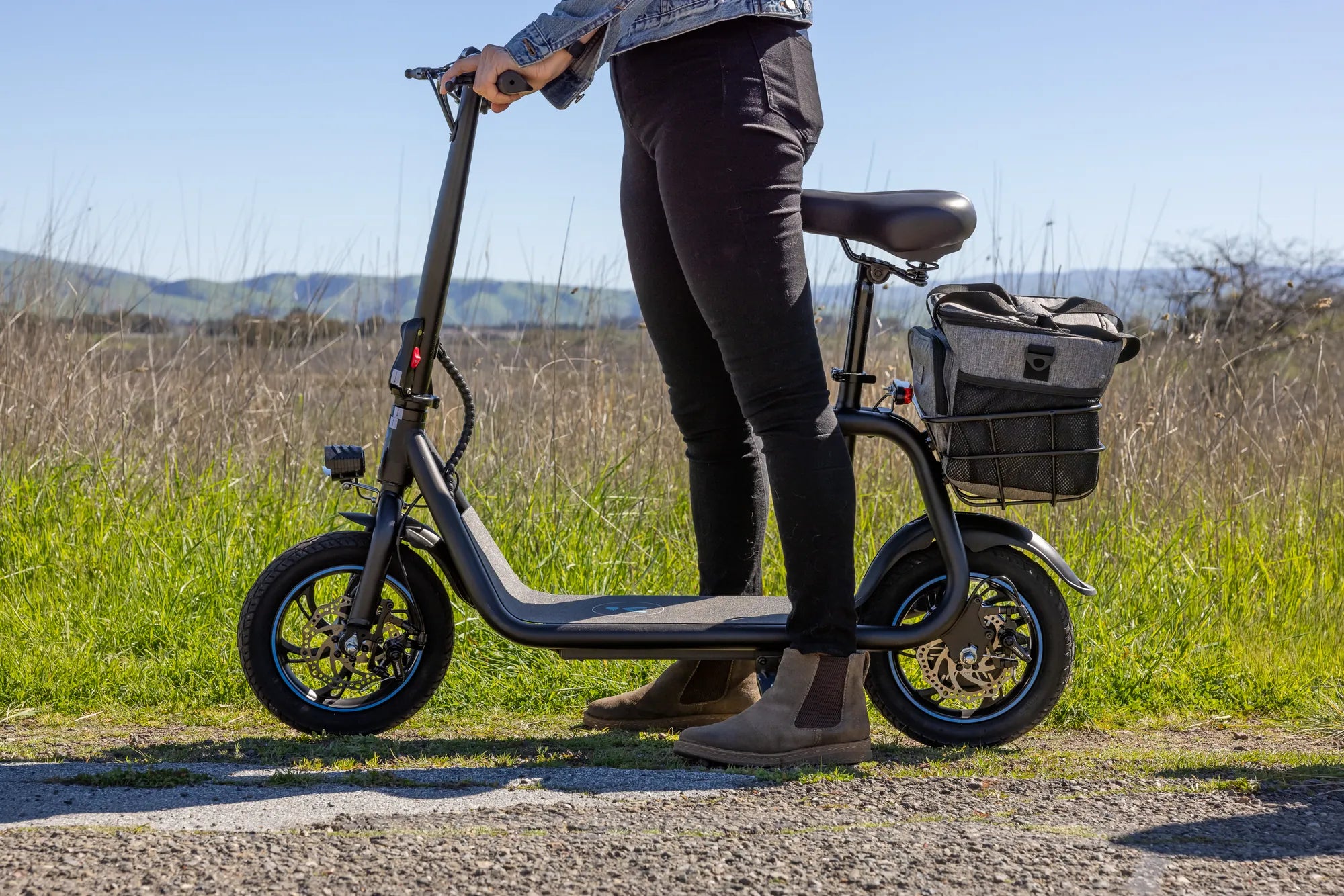
E-scooters are revolutionizing urban mobility, offering a convenient and eco-friendly way to navigate crowded cities. However, the rising popularity of these devices has been accompanied by alarming reports of e-scooter fire hazards. From spontaneous combustion to battery explosions, these incidents pose serious risks to users and property. Understanding the causes and taking preventive measures can help mitigate these dangers.
What Causes E-Scooter Fires?
The primary culprit behind e-scooter fires is the lithium-ion battery. These batteries are highly efficient but can be volatile under certain conditions. Overcharging, physical damage, or exposure to extreme temperatures can trigger thermal runaway—a chain reaction leading to overheating, smoke, and even explosions. Poor-quality batteries or counterfeit components further exacerbate the risk.
The Alarming Statistics
Reports of e-scooter fires have surged in recent years. Fire departments worldwide have documented cases where e-scooters ignited inside homes, garages, and public spaces. In some instances, these fires have caused severe injuries or fatalities. The lack of standardized safety regulations for e-scooter batteries adds to the problem, leaving consumers vulnerable to subpar products.
How to Identify a High-Risk E-Scooter
Not all e-scooters are created equal. Warning signs of a potential fire hazard include:
- Excessive heat during charging
- Swelling or deformation of the battery
- Unusual odors or smoke
- Frequent power fluctuations
Purchasing from reputable manufacturers and avoiding suspiciously cheap models can reduce the likelihood of encountering these issues.
Safety Tips to Prevent E-Scooter Fires
Protecting yourself and your property starts with adopting safe practices:
- Never leave your e-scooter charging unattended or overnight.
- Use only the charger provided by the manufacturer.
- Avoid exposing the battery to direct sunlight or extreme cold.
- Store your e-scooter in a well-ventilated area away from flammable materials.
- Regularly inspect the battery and wiring for signs of wear or damage.
The Role of Regulations and Industry Standards
Governments and regulatory bodies are beginning to address e-scooter fire hazards. Stricter battery safety standards, mandatory certifications, and recalls of defective models are steps in the right direction. Consumers should advocate for stronger regulations and support brands that prioritize safety over profit.
What to Do If Your E-Scooter Catches Fire
In the event of a fire, quick action can save lives:
- Evacuate immediately and call emergency services.
- Do not attempt to extinguish a lithium-ion battery fire with water—use a Class D fire extinguisher if available.
- Keep a safe distance, as battery fires can release toxic fumes.
E-scooter fire hazards are a stark reminder that innovation comes with risks. By staying informed and vigilant, riders can enjoy the benefits of e-scooters without putting themselves or others in danger. The future of urban mobility depends on balancing convenience with safety—so let’s ride smart and stay safe.
Electric Scooters Clearwater Beach: The Ultimate Guide to Fun and Convenience
Do You Need a License for an E-Scooter? The Ultimate Guide