

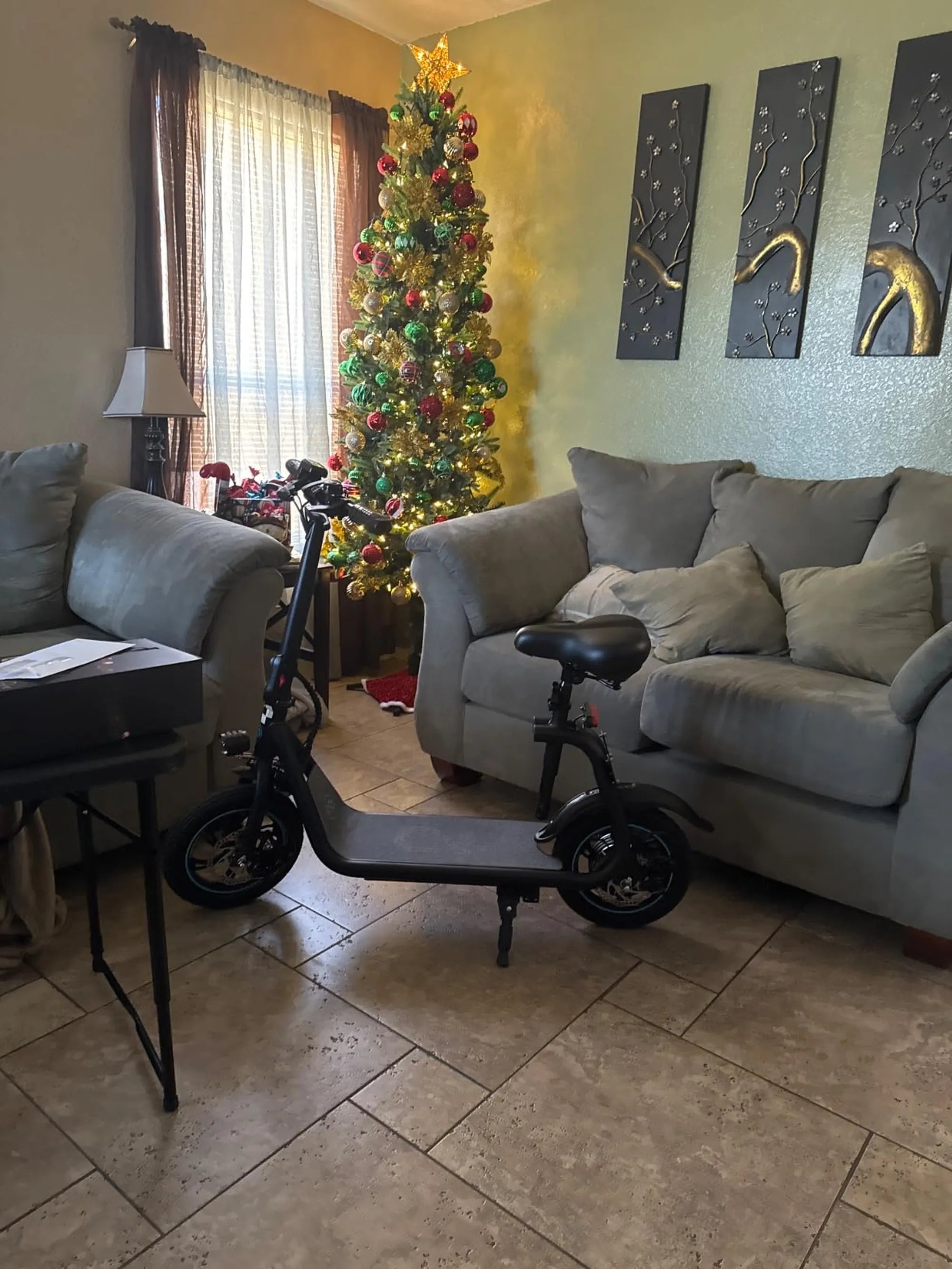
The e-scooter market has exploded in recent years, becoming a staple of urban mobility. But what drives the price of these electric two-wheelers? From production costs to consumer demand, the e-scooter market price is shaped by a complex web of factors. Whether you're a commuter, an investor, or just curious, understanding these dynamics can help you navigate this fast-growing industry.
Factors Influencing E-Scooter Market Prices
Several elements determine the price of e-scooters, ranging from raw materials to technological advancements. Here are the most significant factors:
1. Battery Technology
The battery is one of the most expensive components of an e-scooter. Lithium-ion batteries, which dominate the market, vary in price based on capacity, efficiency, and longevity. Advances in battery tech can either drive prices up (with premium features) or down (through economies of scale).
2. Manufacturing Costs
Labor, materials, and production scale all impact the final price. Countries with lower labor costs may produce cheaper e-scooters, while those with stricter regulations might see higher prices due to compliance expenses.
3. Brand and Features
While we won't name brands, it's no secret that premium features like smart connectivity, enhanced suspension, or waterproofing can significantly increase an e-scooter's price. Consumers often pay a premium for reliability and additional functionalities.
4. Government Regulations and Subsidies
Tax incentives, import duties, and safety regulations can either lower or inflate e-scooter prices. Regions with strong government support for green transportation often see more competitive pricing.
Regional Variations in E-Scooter Market Prices
E-scooter prices aren't uniform across the globe. Here's how different regions compare:
North America
Higher disposable incomes and a strong focus on tech-driven features make North America one of the more expensive markets for e-scooters. However, local manufacturing and subsidies in some areas help balance costs.
Europe
Europe has a robust e-scooter market with mid-range pricing. Strict safety standards and environmental policies influence costs, but government incentives often make them more affordable.
Asia-Pacific
As the largest producer and consumer of e-scooters, Asia-Pacific benefits from lower production costs, resulting in more budget-friendly options. However, premium models still command higher prices.
Future Trends in E-Scooter Pricing
The e-scooter market is evolving rapidly, and prices are expected to shift in response to several trends:
1. Increased Competition
As more players enter the market, competition will drive prices down, especially for entry-level models. However, high-end e-scooters may retain their premium pricing due to advanced features.
2. Technological Innovations
Breakthroughs in battery efficiency, lightweight materials, and AI integration could either reduce costs or introduce new high-priced models with cutting-edge capabilities.
3. Sustainability Initiatives
With a growing emphasis on eco-friendly transportation, governments may introduce more subsidies, lowering prices for consumers. Conversely, stricter environmental regulations could increase production costs.
Whether you're looking to buy your first e-scooter or simply keeping an eye on market trends, understanding the forces behind e-scooter market prices is key. From battery advancements to regional economic policies, the landscape is constantly shifting—making this an exciting space to watch. Stay ahead of the curve and ride the wave of electric mobility!
Most Futuristic Electric Scooters: The Future of Urban Mobility
New Electric Bike: The Future of Urban Commuting and Adventure