

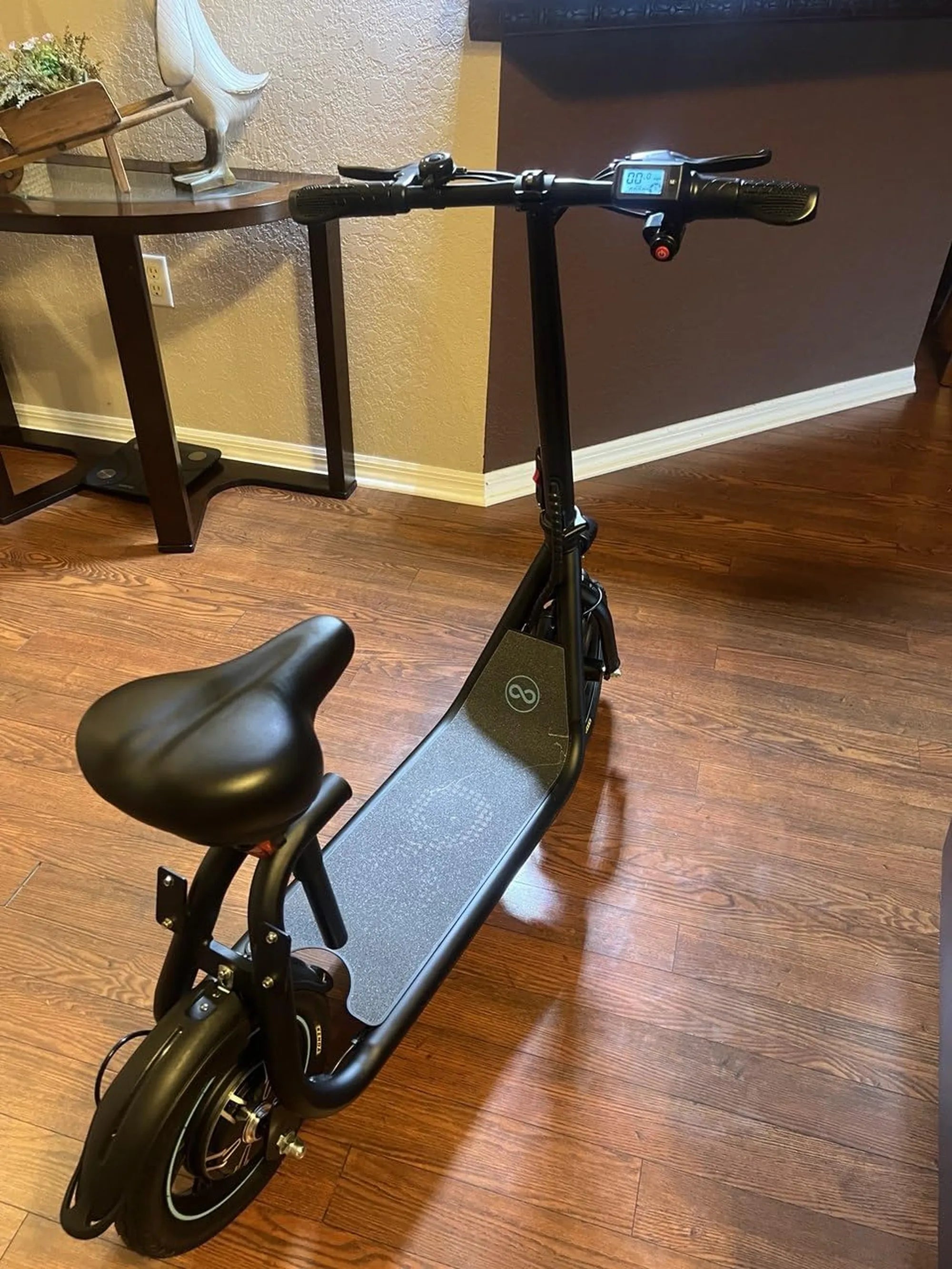
There’s nothing more frustrating than plugging in your e scooter only to find it’s not charging. Whether you rely on it for daily commutes or weekend adventures, a dead battery can throw a wrench in your plans. But don’t worry—charging issues are often fixable with a little troubleshooting. Let’s dive into the common causes and solutions for an e scooter not charging.
1. Check the Power Source
Before assuming the worst, start with the basics. Ensure the power outlet you’re using is functional. Plug in another device to confirm it’s working. If the outlet is dead, try a different one or reset the circuit breaker if necessary.
2. Inspect the Charger
A faulty charger is a common culprit. Look for visible damage like frayed wires or bent pins. If possible, test with another compatible charger to see if the issue persists. If the charger is defective, replacing it should resolve the problem.
3. Examine the Charging Port
Dirt, debris, or physical damage to the charging port can prevent a proper connection. Use a flashlight to inspect the port and gently clean it with a dry brush or compressed air. Avoid using metal objects that could cause further damage.
4. Assess the Battery Health
Over time, e scooter batteries degrade and lose their ability to hold a charge. If your scooter is older or has been heavily used, the battery might need replacement. Look for signs like reduced range or sudden power drops, which indicate a failing battery.
5. Check for Software or Firmware Issues
Some e scooters have software that manages charging. A glitch or outdated firmware could disrupt the process. Check the manufacturer’s website for updates or reset the scooter’s system if possible.
6. Look for Overheating or Safety Features
Many e scooters have built-in safety features that prevent charging if the battery is too hot or cold. Let the scooter cool down or warm up before attempting to charge again. If the issue persists, consult the user manual for specific safety protocols.
7. Test the Battery Connections
Loose or corroded battery connections can interrupt charging. Open the battery compartment (if accessible) and check the wiring. Tighten any loose connections and clean corrosion with a soft brush and rubbing alcohol.
8. Consider Professional Help
If you’ve tried all the above steps and your e scooter still won’t charge, it might be time to visit a repair shop. A technician can diagnose deeper issues like a faulty battery management system or internal wiring problems.
Don’t let a charging issue keep you off the road for long. By methodically troubleshooting the problem, you can often identify and fix the cause yourself. And if all else fails, professional help is just a call away—so you can get back to enjoying your e scooter in no time.
E Scooter Subscription: The Future of Urban Mobility
E Scooter Footrest: The Ultimate Guide to Comfort and Safety