

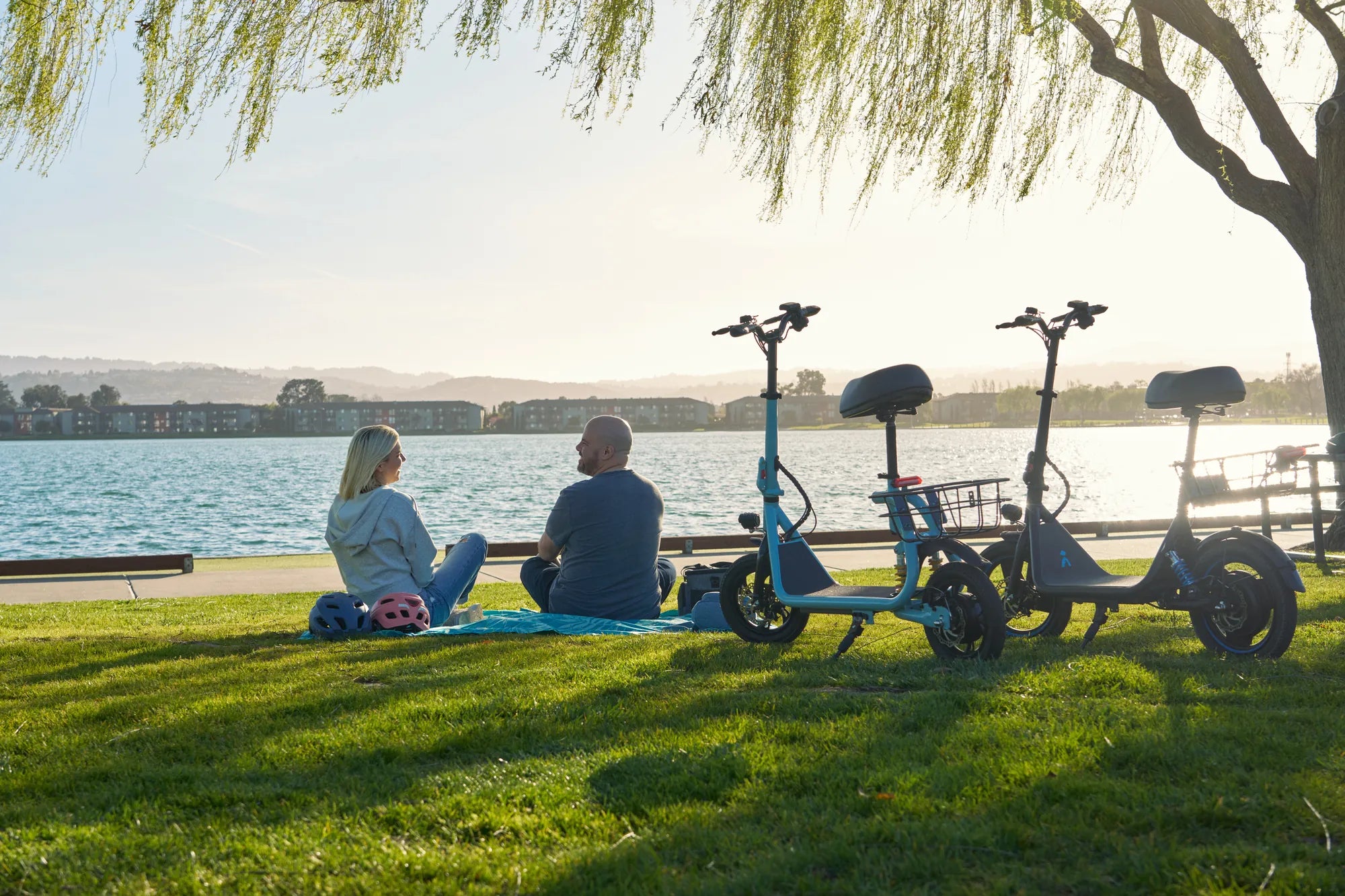
Electric scooters, or e-scooters, have become a popular choice for urban commuters and thrill-seekers alike. With their sleek designs and eco-friendly appeal, they promise a faster, greener way to navigate crowded cities. But before you hop on one, it's essential to weigh the benefits against the drawbacks. Let's dive into the e scooter pros and cons to see if they're the right fit for your lifestyle.
Pros of E Scooters
1. Eco-Friendly Transportation
E-scooters produce zero emissions, making them an excellent choice for environmentally conscious riders. Unlike cars or motorcycles, they don't contribute to air pollution, helping reduce your carbon footprint.
2. Cost-Effective Commuting
Compared to owning a car or relying on ride-sharing services, e-scooters are significantly cheaper. They require minimal maintenance, and charging costs are a fraction of fuel expenses.
3. Convenient and Portable
Most e-scooters are lightweight and foldable, making them easy to carry on public transport or store in small spaces. This portability adds to their appeal for daily commuters.
4. Avoid Traffic Jams
With their compact size, e-scooters allow riders to weave through traffic, saving time during rush hour. They're ideal for short trips where parking a car would be a hassle.
5. Fun and Easy to Use
Riding an e-scooter is intuitive, even for beginners. Many models offer adjustable speed settings, making them suitable for riders of all skill levels.
Cons of E Scooters
1. Limited Range and Battery Life
Most e-scooters have a range of 15-30 miles per charge, which may not be sufficient for long commutes. Battery degradation over time can further reduce this range.
2. Safety Concerns
Accidents involving e-scooters are on the rise, often due to reckless riding or poor road conditions. Helmets and protective gear are recommended, but not all riders use them.
3. Weather Dependence
Rain, snow, or icy conditions can make e-scooter riding dangerous. They're less reliable than cars in adverse weather, limiting their use in certain climates.
4. Legal Restrictions
Many cities have strict regulations on where e-scooters can be ridden. Some ban them from sidewalks, while others require permits or restrict their use entirely.
5. Maintenance and Durability
While e-scooters are low-maintenance, components like tires and brakes wear out over time. Repairs can be costly, and not all models are built to last.
Who Should Consider an E Scooter?
E-scooters are best suited for urban dwellers with short commutes or those looking for a last-mile solution. They're also great for students, tourists, and anyone seeking a fun, eco-friendly way to get around. However, if you need a vehicle for long distances or harsh weather, an e-scooter might not be the best choice.
Tips for Safe and Efficient E Scooter Use
- Always wear a helmet and protective gear.
- Follow local traffic laws and avoid riding on sidewalks where prohibited.
- Check the battery level before heading out to avoid getting stranded.
- Be mindful of road conditions and avoid wet or uneven surfaces.
- Invest in a quality lock to prevent theft.
E-scooters offer a blend of convenience, affordability, and sustainability, but they're not without their challenges. Whether you're a daily commuter or a weekend adventurer, understanding the e scooter pros and cons will help you make an informed decision. Ready to hit the streets? The choice is yours!
E Scooter Screen Replacement: A Complete Guide to Fixing Your Display
E Scooter Screen Replacement: A Complete Guide to Fixing Your Display