


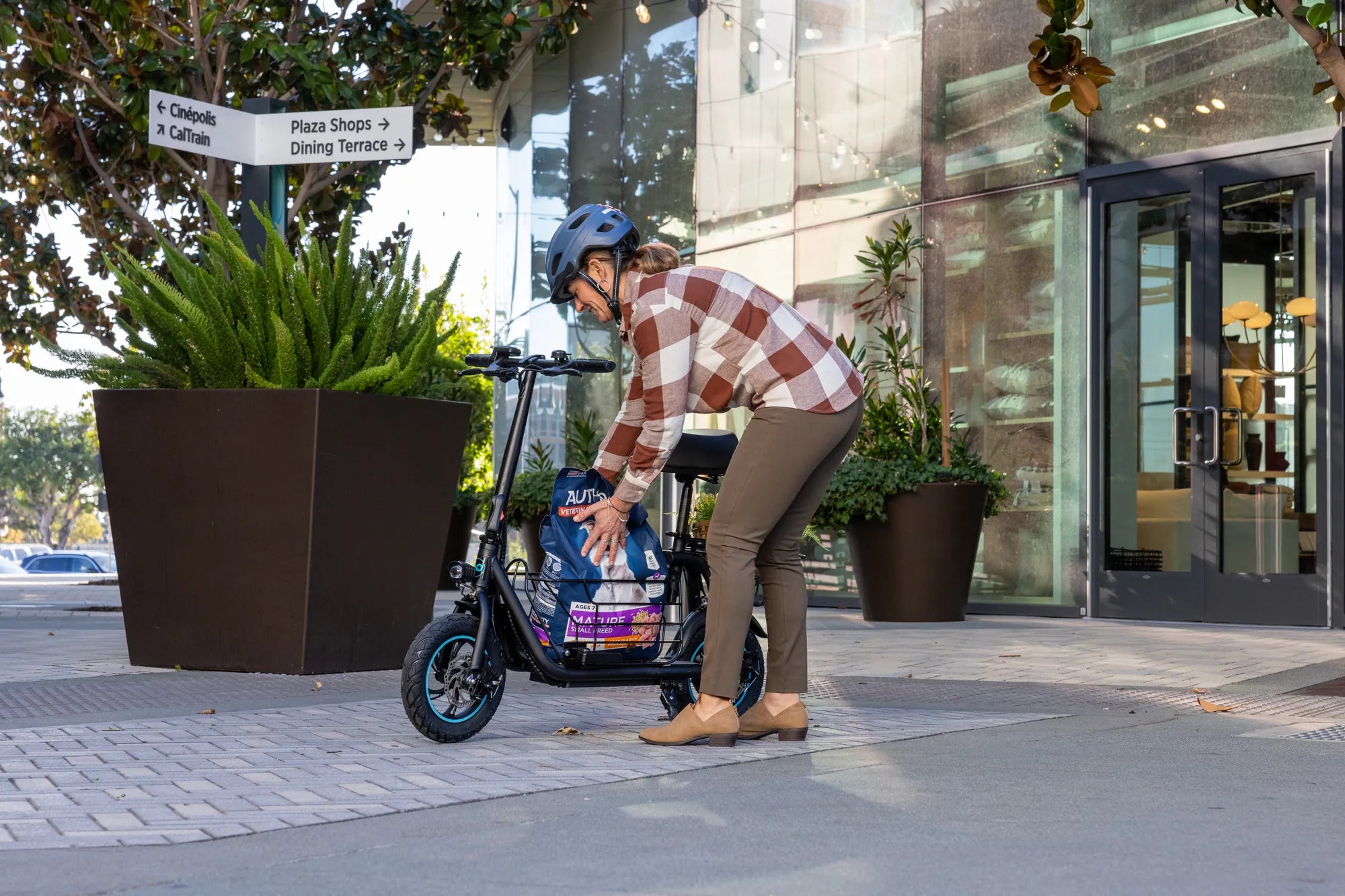
Imagine zipping through city streets with the wind in your hair, bypassing traffic jams, and reducing your carbon footprint—all on a compact, electric-powered ride. E-scooters have surged in popularity as a game-changing solution for urban mobility, blending convenience, sustainability, and affordability into one sleek package. Whether you're a daily commuter or a weekend explorer, these two-wheeled wonders are reshaping how we navigate our cities.
The Rise of E-Scooters in Modern Cities
Urban areas worldwide are grappling with congestion, pollution, and inefficient public transport systems. E-scooters have emerged as a viable alternative, offering a nimble and eco-conscious way to travel short distances. Cities from Paris to San Francisco have embraced shared e-scooter programs, allowing users to rent them on-demand via smartphone apps. This shift reflects a growing demand for flexible, last-mile transportation options that don’t rely on fossil fuels.
Why E-Scooters Are Gaining Popularity
Several factors contribute to the e-scooter boom. First, they’re incredibly cost-effective compared to car ownership or ride-hailing services. With no fuel costs and minimal maintenance, e-scooters are a budget-friendly choice. Second, their compact size makes them ideal for navigating crowded streets and fitting into small storage spaces. Third, e-scooters produce zero emissions, aligning with global efforts to combat climate change. Finally, their ease of use appeals to a broad demographic, from students to professionals.
Environmental Benefits of E-Scooters
Switching from gas-powered vehicles to e-scooters can significantly reduce urban air pollution. A single e-scooter emits far less CO2 over its lifetime than a car, even when accounting for manufacturing and electricity use. Many cities are integrating e-scooters into their sustainability plans, encouraging residents to adopt greener travel habits. By replacing short car trips with e-scooter rides, individuals can collectively make a measurable impact on reducing traffic congestion and improving air quality.
Safety Considerations and Regulations
While e-scooters offer numerous benefits, safety remains a critical concern. Riders must wear helmets, follow traffic laws, and stay vigilant in shared road spaces. Some cities have implemented speed limits or designated e-scooter lanes to prevent accidents. Manufacturers are also enhancing safety features, such as improved braking systems and brighter lights for nighttime visibility. As e-scooter usage grows, policymakers and riders alike must prioritize responsible practices to ensure safe coexistence with pedestrians and other vehicles.
The Future of E-Scooter Technology
Innovation in e-scooter design is accelerating, with advancements in battery life, durability, and smart connectivity. Future models may feature self-diagnostic systems, longer ranges, and even AI-assisted navigation. Shared e-scooter programs are also evolving, with better fleet management and charging infrastructure. As technology progresses, e-scooters could become even more integrated into public transit networks, offering seamless multi-modal travel options.
E-scooters aren’t just a passing trend—they’re a cornerstone of the urban mobility revolution. By combining practicality, sustainability, and cutting-edge tech, they offer a glimpse into a cleaner, smarter future for city transportation. Ready to join the ride?
White Electric Bike: The Ultimate Guide to Stylish and Efficient Commuting
White Electric Bike: The Ultimate Guide to Stylish and Efficient Commuting