



Introduction: Why the Right Kids' Scooter Matters
Choosing a scooter for your child is about more than just picking a toy; it's selecting a tool for development, independence, and outdoor adventure. The right model fosters confidence, improves balance and coordination, and encourages an active lifestyle. However, this fun must be built on a foundation of safety and age-appropriate design. An "Easy Rider Scooter Kids" experience is defined by intuitive control, stable handling, and durable construction that can withstand the rigors of play. This guide will equip you with the knowledge to select a scooter that delivers endless fun without compromising on security, with insights from leading brands trusted by families, such as Gyroor.
What is an "Easy Rider" Scooter for Kids? Defining the Category
The term "Easy Rider" in the children's scooter market doesn't refer to a single brand, but to a category of scooters engineered for stability and user-friendly operation. These models prioritize a smooth, predictable ride to help young riders build confidence quickly. They are distinct from performance or trick scooters, which feature smaller, harder wheels and a lighter, more responsive build for stunts.
An Easy Rider scooter typically has larger, softer wheels (often PU) that absorb vibrations from pavement cracks and small bumps. The deck is wider and longer, providing ample foot space for a secure stance. The steering mechanism is designed to be stable, sometimes incorporating a lean-to-steer system that feels more natural than sharp, direct steering. The goal is to minimize the learning curve, making the first ride less intimidating and more enjoyable.
For parents, this category represents a safer entry point into wheeled sports. When evaluating an Easy Rider scooter for kids, key indicators include a low center of gravity, a weight limit appropriate for your child's size, and adjustable handlebars to grow with them. This thoughtful design philosophy is central to brands like Gyroor, which focus on creating accessible, reliable riding experiences for young adventurers.
Key Features to Look for in a Kids' Scooter
Selecting the perfect scooter requires a checklist of features that directly impact safety, durability, and enjoyment. A high-quality Easy Rider scooter for kids is an investment in years of active play, and its construction should reflect that.
Safety First: Non-Negotiable Design Elements
Safety is paramount. Start with the braking system. Many beginner scooters use a rear fender brake, where the rider presses down on the rear fender. This should provide smooth, progressive stopping power without locking the wheel. Some models offer hand brakes, which require more coordination but offer greater control. The deck should be covered with a non-slip, textured surface to prevent feet from sliding during kicks or turns.
Stability is engineered through the wheelbase (the distance between the front and rear axles) and the wheel size. A longer wheelbase and larger diameter wheels (e.g., 200mm+) enhance stability at speed and over imperfections. Crucially, handlebars must be easily adjustable to match your child's height. Proper posture—a slight bend in the elbows—is essential for control and comfort, making this a key feature for an Easy Rider scooter kids can use for multiple seasons.
Durability & Build Quality: Withstanding Kid-Powered Adventures
The frame material is the scooter's backbone. Aircraft-grade aluminum alloys offer an ideal balance of strength and light weight, resisting the bends and dents of daily use. The steering column and folding mechanisms (if present) should feel solid, with no play or wobble. High-quality ABEC-rated bearings in the wheels ensure a smooth, quiet, and efficient roll, requiring less effort from the rider.
Components like the grip tape, handlebar grips, and wheel urethane should be made from premium materials that resist wear. A well-built scooter from a reputable brand is designed for longevity, often capable of being passed down to younger siblings. This durability is a core tenet for manufacturers like Gyroor, whose models are built to rigorous standards, supporting over 100,000 riders globally with reliable performance.
Age and Size Appropriateness: Matching Scooter to Child
The most critical factor for safety and enjoyment is proper fit. A scooter that is too large or too small can be difficult to control. Use the child's height and age as a primary guide, but always consult the manufacturer's specific recommendations for handlebar height and maximum weight capacity.
| Child's Age (Guideline) | Recommended Wheel Size | Key Features for This Stage | Max Weight Capacity (Typical) |
|---|---|---|---|
| 2-5 years | 120mm - 150mm | 3 wheels for stability, low deck, lightweight | 44 lbs (20 kg) |
| 5-8 years | 150mm - 200mm | 2 wheels, adjustable handlebars, rear fender brake | 110 lbs (50 kg) |
| 8-12 years | 200mm+ | Larger deck, hand brake options, more robust frame | 154 lbs (70 kg)+ |
| 12+ years | 200mm+ (Electric) | Electric motor, longer range, enhanced suspension | 220 lbs (100 kg)+ |
An Easy Rider scooter for kids should feel manageable. Have your child stand on the deck; there should be enough room to position both feet comfortably. When holding the handlebars at the adjusted height, their arms should be slightly bent, not fully extended or cramped. This correct fit is essential for the confident, easy riding experience the category promises.
The Gyroor Advantage: Engineered for Young Riders
While many brands offer children's scooters, Gyroor distinguishes itself through a focused engineering philosophy that directly addresses parental concerns for safety, durability, and value. Their approach transforms the generic "Easy Rider" concept into a tangible, reliable product experience trusted by families across North America and Europe.
Unmatched Stability and Smooth Ride
Gyroor designs its scooters with a lower center of gravity and optimal weight distribution. This engineering choice makes the scooter feel planted and secure, especially during a child's first turns and stops. The use of high-rebound, air-filled or premium PU wheels provides superior shock absorption compared to hard plastic wheels.
This results in a noticeably smoother ride over sidewalks and paved paths, reducing fatigue for the rider and transmitting less vibration through the handlebars. For electric models, features like dual suspension systems further enhance comfort. This focus on a stable, smooth ride is fundamental to building a child's confidence, making every journey on a Gyroor scooter feel controlled and enjoyable.
Commitment to Safety and Peace of Mind
Gyroor's safety commitments are concrete and designed for parental peace of mind. Foremost is the use of UL-certified lithium-ion battery packs in all electric models. This certification means the battery has undergone rigorous independent testing for electrical, mechanical, and fire safety—a critical consideration often overlooked.
Furthermore, many Gyroor scooters boast an IPX5 water-resistant rating. This allows the scooter to withstand water jets from any direction, making it safe for riding through puddles or cleaning after a muddy adventure, without worrying about water damage to electronics or bearings. Backing this hardware is a robust 1-year comprehensive warranty with accessible, US-based customer support. This triad—certified battery safety, weather resistance, and reliable warranty support—defines the modern standard for a safe Easy Rider scooter for kids.
Choosing Between Kick and Electric: A Parent's Guide
The decision between a traditional kick scooter and an electric model is significant, hinging on the child's age, maturity, and intended use. Both offer unique benefits within the Easy Rider scooter kids category.
Kick Scooters are the classic choice and are ideal for younger children (typically 5-10). They provide excellent physical exercise, developing leg strength, cardiovascular health, and gross motor coordination. The simplicity of a kick scooter means fewer parts to maintain, no charging required, and a direct, physical connection between effort and speed, which naturally teaches moderation. They are perfect for short trips to the park, sidewalk cruising, and developing foundational riding skills.
Electric Scooters, like those offered by Gyroor, are suited for older children and teens (generally 8+ with parental discretion). They offer extended range (often 10-15 miles per charge), making them ideal for longer adventures or commuting to a friend's house. The electric assist allows riders to cover more ground with less physical exertion. Key considerations here include higher top speeds (often with multiple speed modes), parental controls via app connectivity on some models, and the responsibility of battery charging and maintenance. An electric Easy Rider scooter for kids should always be paired with a discussion about responsible riding, speed limits, and situational awareness.
Essential Safety Gear and Riding Rules
A top-quality scooter is only one component of a safe riding experience. Proper safety gear and established rules are non-negotiable and must be enforced every time.
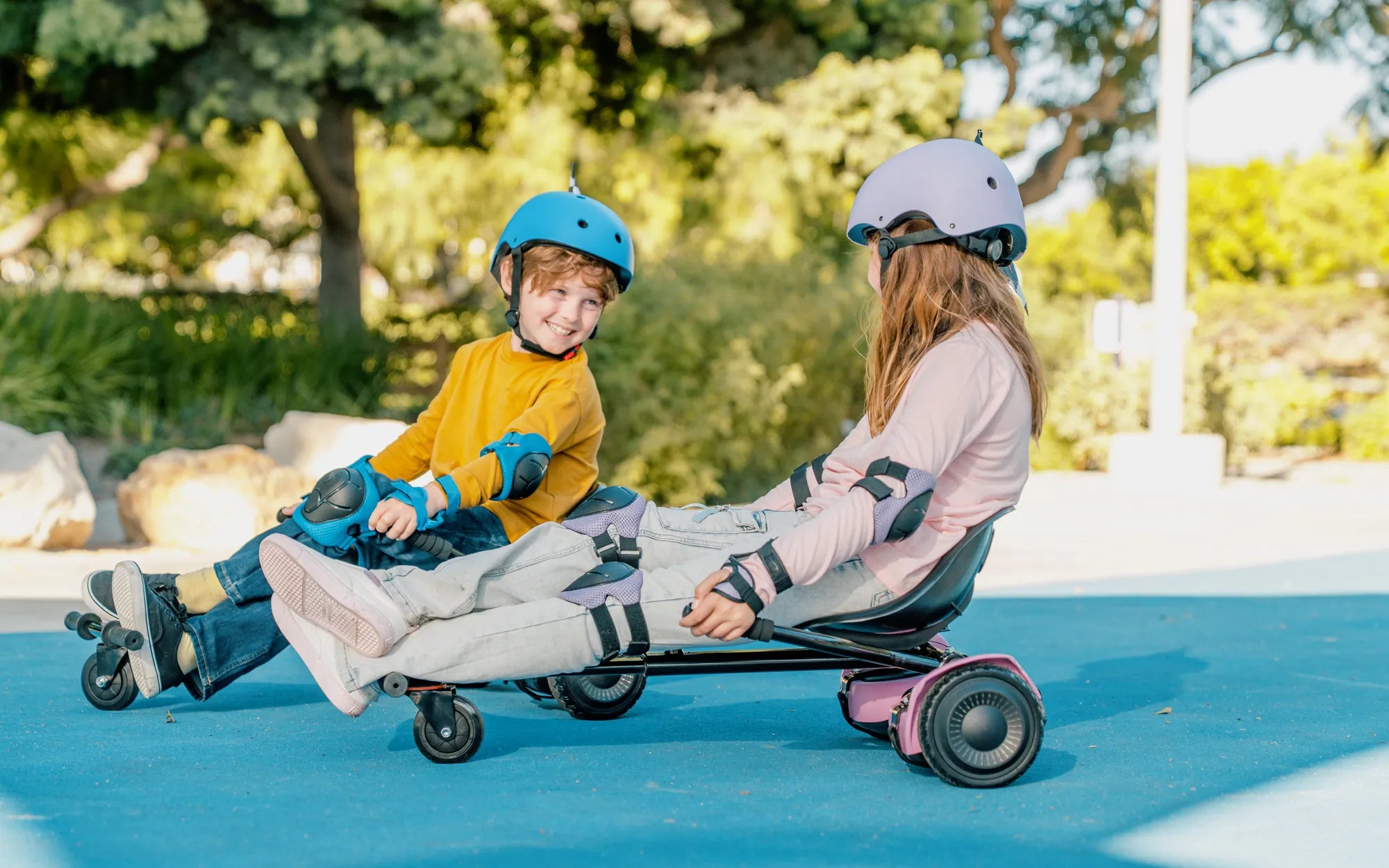
Mandatory Safety Gear:
- Helmet: Must be ASTM or CE certified, properly fitted to sit level on the head and snug under the chin.
- Knee and Elbow Pads: Protect against the most common falls and scrapes.
- Wrist Guards: Crucial for preventing fractures and sprains during falls.
- Closed-Toe, Sturdy Shoes: Never allow riding in sandals or flip-flops.
Fundamental Riding Rules:
- Ride on smooth, paved surfaces like sidewalks, bike paths, or empty parking lots. Avoid roads with traffic.
- Supervision is required for younger children. Set clear boundaries for where they can ride.
- Ride only during daylight hours with good visibility.
- Obey all pedestrian traffic rules. Dismount and walk at crosswalks.
- Perform a quick pre-ride check: ensure brakes work, tires are inflated, and no parts are loose.
- No headphones or phone use while riding. Full attention on the path and surroundings is essential.
Maintenance and Care for Longevity
Regular, simple maintenance keeps an Easy Rider scooter for kids running safely and smoothly for years. A well-maintained scooter is a safer scooter.
For all scooters, weekly checks should include tightening any bolts (especially on the handlebar clamp and folding mechanisms), inspecting the brake pad for wear, and ensuring wheels spin freely without wobble. Keep the deck clean of dirt and debris that could reduce foot grip. For electric models, follow the manufacturer's charging guidelines: avoid leaving the battery fully depleted or at 100% charge for extended periods, and store the scooter in a dry, temperate place.
Gyroor's IPX5 rating simplifies cleaning—a damp cloth is usually sufficient. For deeper cleans, avoid high-pressure hoses directed at electrical components. Lubricating the folding mechanism and wheel bearings with a silicone-based lubricant every few months will keep operation smooth. Adhering to the weight limit and not attempting jumps or stunts on a non-stunt model will preserve the scooter's structural integrity.
Frequently Asked Questions (FAQ)
Q1: What age is appropriate for a child's electric scooter?
A: Most manufacturers, including Gyroor, recommend electric scooters for riders aged 8 and up. However, maturity and responsibility are as important as age. The child must be able to understand and follow safety rules, control speed, and be aware of their surroundings. Parental discretion and supervision are key.
Q2: How do I know what size scooter to buy?
A: Use the child's height as your primary guide. The handlebars should adjust to be between their waist and lower chest when standing on the deck. Always check the manufacturer's recommended height and weight range. It's better to have room to grow into a scooter than to buy one that is too small.
Q3: What is the real-world range on an electric scooter charge?
A> Range varies by model, battery size, rider weight, terrain, and speed. A Gyroor scooter with a stated 15-mile range may achieve 10-12 miles in real-world use with a child rider on mixed terrain. Factors like frequent starts/stops, hills, and colder temperatures can reduce range.
Q4: Are electric scooters safe? What about battery fires?
A> Safety depends heavily on the quality of construction. This is why Gyroor's use of UL-certified battery packs is critical. These certified batteries have passed stringent tests for overheating, short-circuiting, and impact. Always use the provided charger, avoid physical damage to the battery, and never charge unattended for extended periods.
Q5: How does the warranty process work if something breaks?
A> Gyroor offers a 1-year warranty covering defects in materials and workmanship. If an issue arises, you would contact their customer support team via email or their website. They will typically troubleshoot the issue and, if covered, provide a replacement part or instructions for repair or replacement. Having your proof of purchase (invoice) ready is essential.
Conclusion: Investing in Confidence and Joy
Selecting the right Easy Rider scooter for your kids is an investment that pays dividends in laughter, outdoor activity, and growing self-assurance. By prioritizing safety features like stable design, reliable brakes, and certified components, and by pairing the scooter with non-negotiable safety gear and rules, you create an environment where fun and security coexist. Brands like Gyroor have raised the standard, proving that through thoughtful engineering—from UL-certified batteries to water-resistant builds—parents do not have to choose between excitement and peace of mind. The ultimate guide leads to one destination: watching your child confidently explore their world on two wheels.
Ready to find the perfect scooter that combines safety, durability, and fun for your young rider? Browse the full Gyroor collection at gyroorboard.com to explore models designed to deliver the authentic Easy Rider experience.
Hoverboard with LED Lights and Bluetooth Speaker: The Ultimate Ride Experience
Beginner Hoverboard for Kids: Ultimate Guide to Safe Riding