

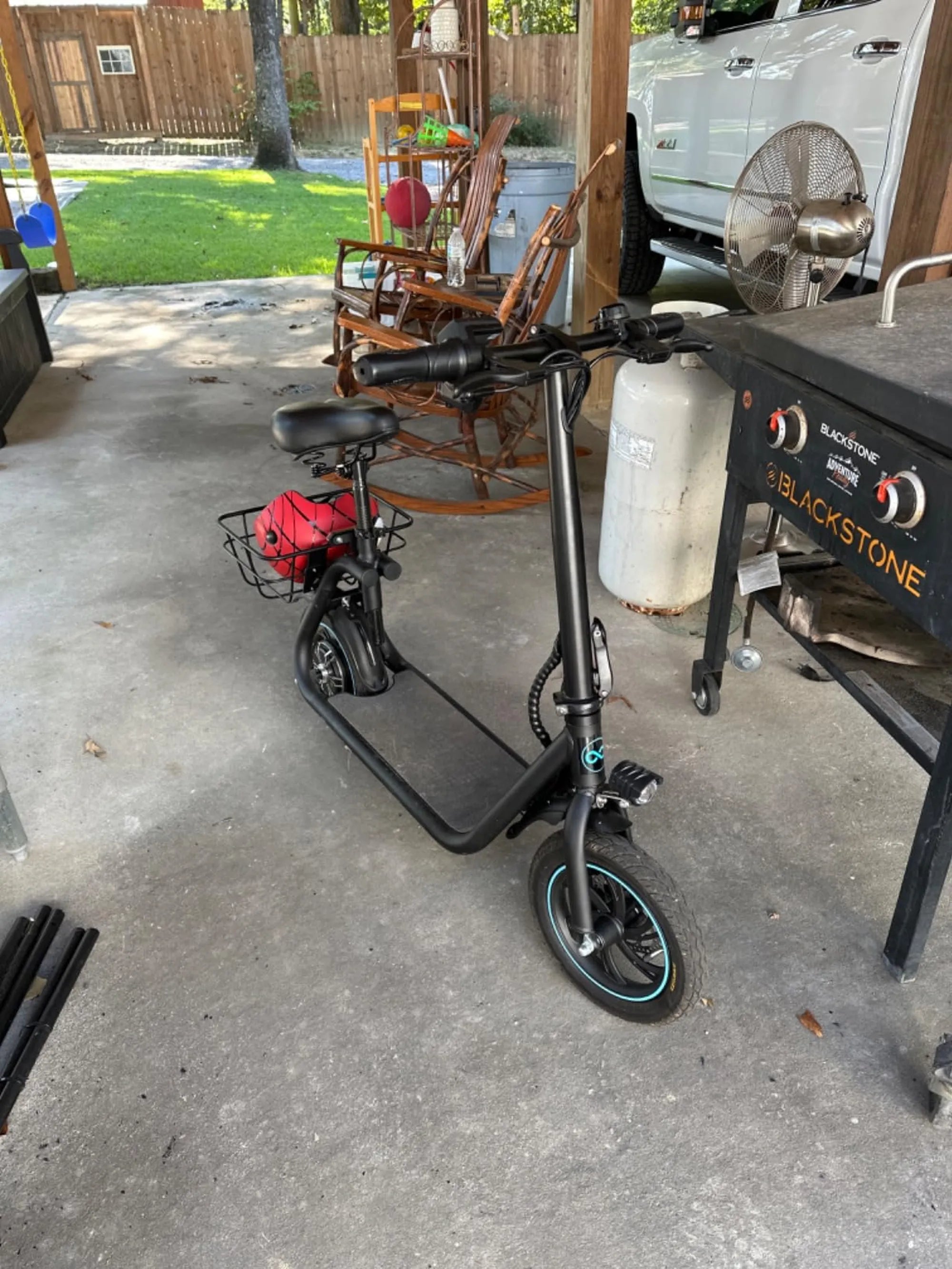
Building your own ebike is an exciting journey that combines creativity, engineering, and a passion for sustainable transportation. Whether you're a DIY enthusiast or a newcomer to the world of electric bikes, crafting your own ride offers unparalleled satisfaction and customization. Let's dive into the essentials of an ebike build and unlock the secrets to creating a machine that perfectly suits your lifestyle.
Why Build Your Own Ebike?
Constructing an ebike from scratch or converting a traditional bicycle into an electric one provides numerous advantages. You gain complete control over the components, ensuring optimal performance, efficiency, and aesthetics. Unlike pre-built models, a custom ebike allows you to prioritize features like battery range, motor power, and frame design based on your unique needs.
Essential Components for an Ebike Build
Every successful ebike build starts with selecting the right parts. Here's a breakdown of the critical components you'll need:
- Frame: Choose a sturdy frame compatible with your desired motor and battery setup.
- Motor: Decide between hub motors (front or rear) or mid-drive systems, each offering distinct benefits.
- Battery: Consider capacity, voltage, and placement to balance weight and range.
- Controller: This brain of your ebike regulates power flow between the battery and motor.
- Display/Throttle: Select an interface that matches your preferred riding style.
- Brakes: Upgrade to reliable disc brakes for safe stopping power.
- Wheels/Tires: Choose durable options suited to your terrain.
Step-by-Step Ebike Assembly Process
1. Frame Preparation
Begin by ensuring your frame can accommodate all components. Check mounting points for the battery and motor, and consider any necessary modifications. Clean the frame thoroughly and inspect for damage before proceeding.
2. Motor Installation
For hub motors, remove the existing wheel and replace it with the motorized version. Mid-drive systems require more complex installation near the bottom bracket. Follow manufacturer instructions carefully and ensure proper alignment.
3. Battery Mounting
Secure the battery in a location that maintains balance while allowing easy access for charging. Popular positions include downtube mounting, rear rack placement, or within a custom frame bag. Ensure all connections are protected from the elements.
4. Electrical Connections
Connect the motor, battery, controller, and display using appropriate wiring harnesses. Pay close attention to polarity and use waterproof connectors where exposed to weather. Consider adding a fuse for safety.
5. Final Assembly and Testing
Install remaining components like brakes, gears, and accessories. Perform a thorough systems check before your first ride, testing all electrical functions and mechanical components at low speed in a safe area.
Customization and Performance Tuning
Once your basic ebike build is complete, explore customization options to enhance performance and comfort:
- Adjust controller settings to optimize power delivery
- Upgrade suspension components for better ride quality
- Add lighting systems for improved visibility
- Install a torque sensor for more natural pedal assist
- Customize the appearance with unique paint or decals
Maintenance Tips for Your DIY Ebike
Regular maintenance ensures longevity and peak performance from your creation:
- Keep electrical connections clean and dry
- Monitor battery health and charging cycles
- Check motor mounting bolts periodically
- Maintain proper tire pressure
- Clean and lubricate the drivetrain regularly
Your custom ebike build represents more than just transportation - it's a personal statement of innovation and independence. With the knowledge you've gained, you're now equipped to create, ride, and enjoy an electric bicycle that reflects your unique vision and riding style. The open road awaits your one-of-a-kind creation!
Enclosed Mobility Scooter Near Me: The Ultimate Guide to Safe and Comfortable Travel
Street Legal Trike Motorcycle: The Ultimate Guide to Three-Wheeled Freedom