

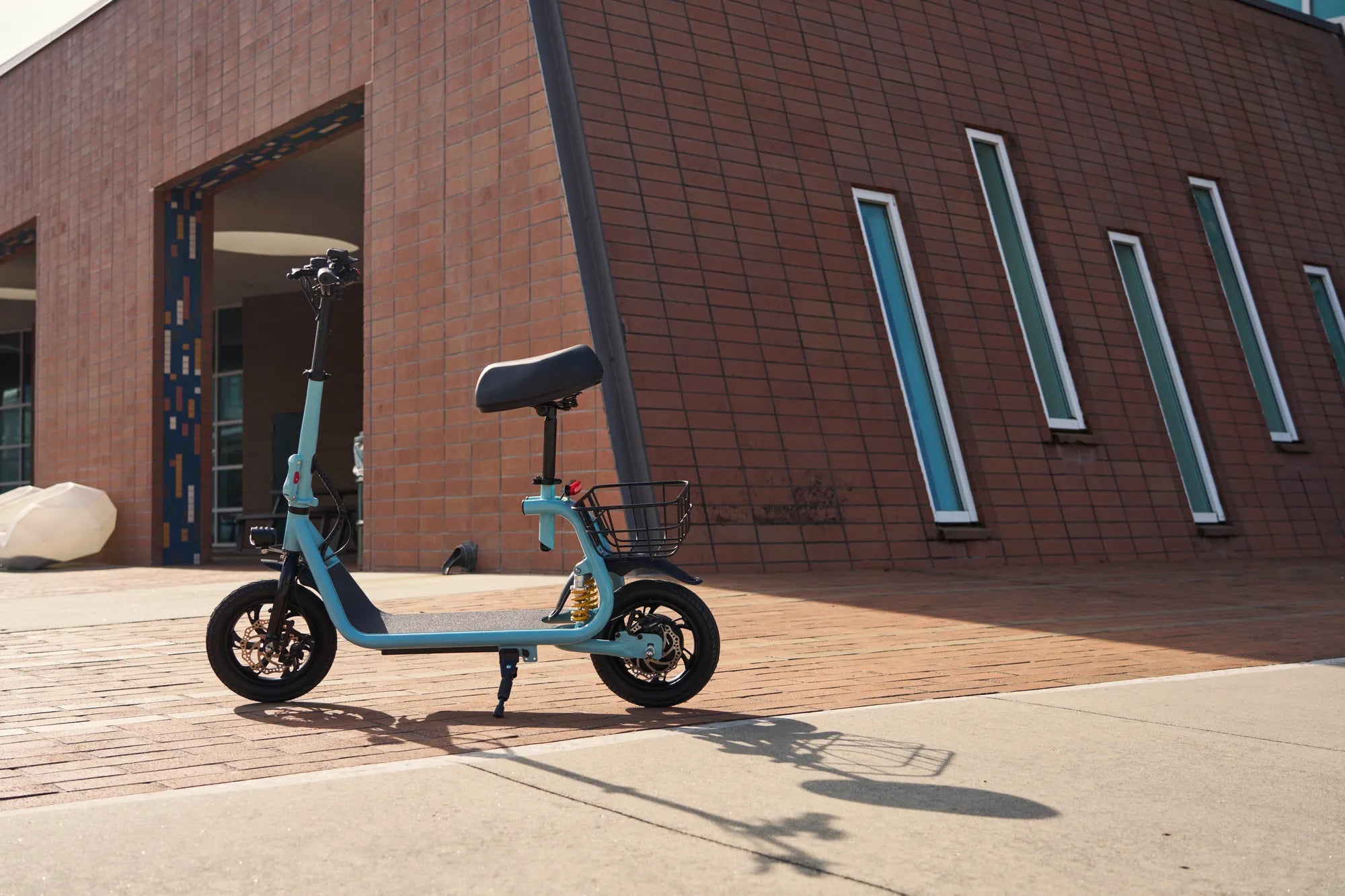
Building your own electric bike with an ebike build kit is an exciting and rewarding project that combines customization, cost savings, and the thrill of DIY engineering. Whether you're a cycling enthusiast or a tech-savvy tinkerer, an ebike build kit offers the perfect opportunity to create a bike tailored to your needs. Ready to dive into the world of DIY ebikes? Let's get started!
What Is an Ebike Build Kit?
An ebike build kit is a collection of components designed to convert a standard bicycle into an electric bike. These kits typically include a motor, battery, controller, throttle, and other necessary parts. The beauty of using a kit lies in its flexibility—you can choose the exact specifications that suit your riding style, terrain, and budget.
Benefits of Using an Ebike Build Kit
There are several advantages to building your own ebike with a kit:
- Cost-Effective: Pre-built electric bikes can be expensive, but a kit allows you to save money by using your existing bicycle or purchasing a affordable frame.
- Customization: You have full control over the components, ensuring your ebike meets your specific needs.
- Learning Experience: Assembling an ebike from a kit provides valuable insights into how electric bikes work.
- Upgradability: Unlike pre-built models, a DIY ebike can be easily upgraded as technology improves or your needs change.
Key Components of an Ebike Build Kit
Understanding the essential parts of an ebike build kit is crucial for a successful project. Here’s a breakdown of the core components:
Motor
The motor is the heart of your ebike, determining its power and efficiency. There are two main types:
- Hub Motors: Integrated into the wheel hub, these are easy to install and maintain.
- Mid-Drive Motors: Mounted near the bike's cranks, these offer better weight distribution and performance on hills.
Battery
The battery powers your motor and affects the range of your ebike. Consider factors like voltage, capacity, and weight when selecting a battery.
Controller
This electronic unit regulates power flow between the battery and motor, ensuring smooth operation.
Throttle and Pedal Assist
Most kits include a throttle for manual power control or pedal-assist sensors for a more natural riding experience.
Choosing the Right Ebike Build Kit
Selecting the perfect kit depends on your goals and riding conditions. Here are some factors to consider:
- Bike Compatibility: Ensure the kit fits your bicycle’s frame and wheel size.
- Power Requirements: Match the motor’s wattage to your riding needs (e.g., commuting vs. off-roading).
- Battery Range: Choose a battery with enough capacity for your daily rides.
- Budget: Kits vary in price, so balance cost with quality and features.
Step-by-Step Guide to Building Your Ebike
Ready to assemble your ebike? Follow these steps for a smooth build process:
Step 1: Gather Tools and Prepare Your Bike
You’ll need basic tools like wrenches, screwdrivers, and a torque wrench. Remove any unnecessary accessories from your bike to make room for the new components.
Step 2: Install the Motor
Depending on your motor type, this may involve replacing a wheel (hub motor) or mounting near the cranks (mid-drive). Follow the kit’s instructions carefully.
Step 3: Mount the Battery
Secure the battery to the frame, ensuring it’s balanced and won’t interfere with pedaling or steering.
Step 4: Connect the Controller and Wiring
Attach the controller to the frame and connect all wiring, including the throttle, pedal assist, and display (if included).
Step 5: Test and Fine-Tune
Before hitting the road, test all functions, including braking, throttle response, and pedal assist. Adjust settings as needed for optimal performance.
Common Challenges and How to Overcome Them
Building an ebike isn’t without its hurdles. Here are some common issues and solutions:
- Wiring Complexity: Label wires during installation to avoid confusion.
- Battery Placement: Use sturdy mounts to prevent shifting during rides.
- Legal Compliance: Check local regulations for ebike power and speed limits.
Maintenance Tips for Your DIY Ebike
To keep your ebike running smoothly, follow these maintenance practices:
- Regularly inspect wiring and connections for wear.
- Keep the battery charged and stored in a cool, dry place.
- Lubricate the chain and check tire pressure frequently.
Building your own ebike with a build kit is a game-changer—offering unparalleled customization, savings, and satisfaction. Whether you're commuting or exploring off-road trails, your DIY ebike will be a reflection of your ingenuity and passion for cycling. Start your journey today and experience the freedom of electric biking!
Ebike Voltage: Understanding Its Impact on Performance and Safety
Scooter for 2 Year Old: The Ultimate Guide to Safe and Fun Riding