

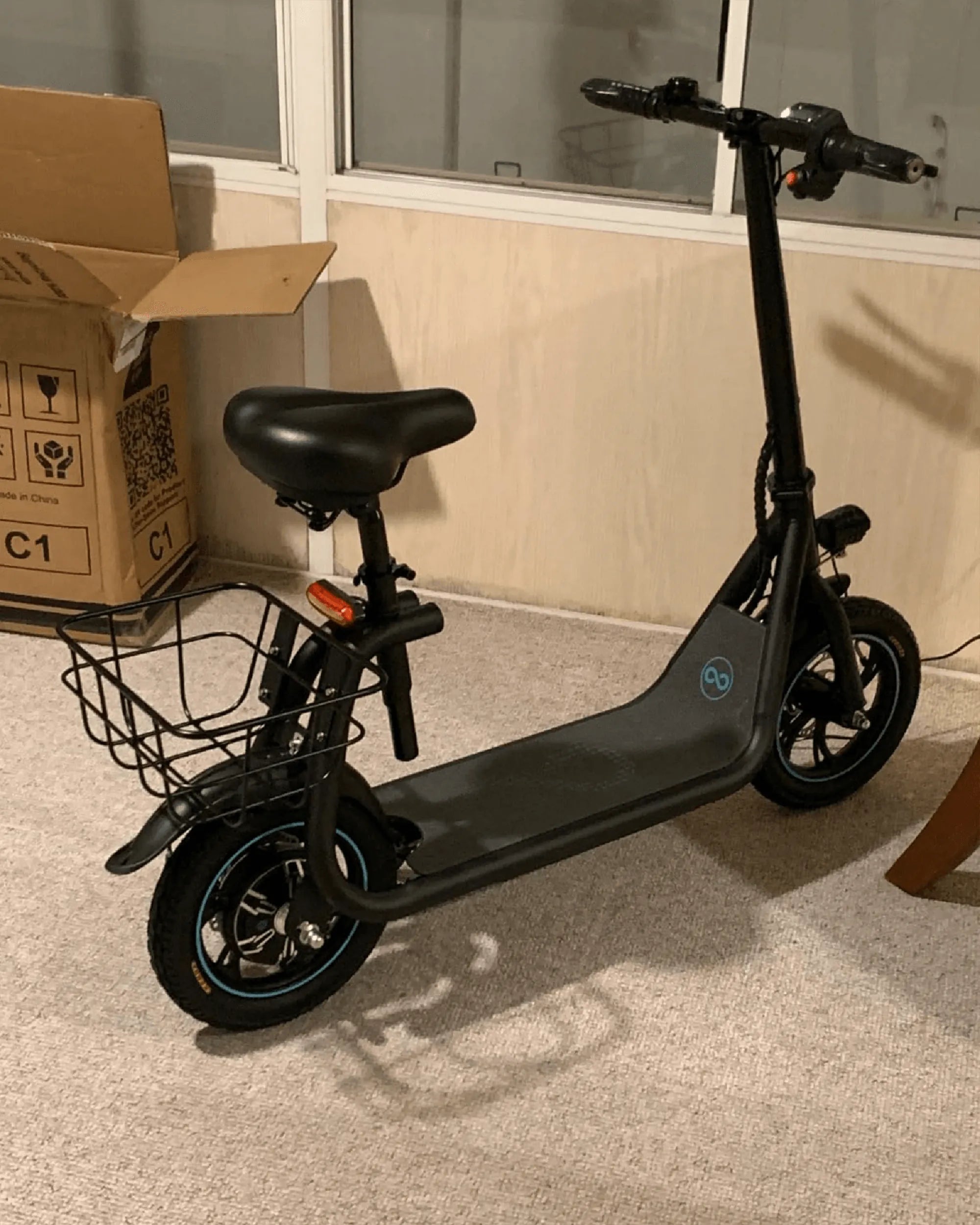
Electric bikes (ebikes) have revolutionized personal transportation, offering an eco-friendly and efficient way to commute. One of the most critical yet often overlooked components of an ebike is its connectors. These small but mighty parts ensure seamless power transfer between the battery, motor, and other electrical components. Understanding ebike connector types can help you maintain, upgrade, or troubleshoot your ride with confidence.
Why Ebike Connector Types Matter
Ebike connectors are the lifelines of your electric bike's electrical system. They facilitate the transfer of power and data between components like the battery, motor, controller, and display. Using the wrong connector can lead to poor performance, overheating, or even safety hazards. Choosing the right one ensures reliability, efficiency, and longevity for your ebike.
Common Ebike Connector Types
Here are the most widely used ebike connector types and their key features:
1. Anderson Powerpole Connectors
Known for their durability and high current capacity, Anderson Powerpole connectors are popular in high-performance ebikes. They are easy to assemble and provide a secure connection, making them ideal for heavy-duty applications.
2. XT60 and XT90 Connectors
These connectors are widely used in ebikes due to their robust design and ability to handle high currents. The XT60 is suitable for moderate power setups, while the XT90 is better for high-power systems. Both feature a secure locking mechanism to prevent accidental disconnections.
3. Julet Waterproof Connectors
Designed for outdoor use, Julet connectors are waterproof and dustproof, making them perfect for ebikes exposed to harsh weather conditions. They come in various pin configurations to suit different components.
4. Bullet Connectors
Simple and effective, bullet connectors are often used for battery-to-motor connections. They are easy to install but lack the locking mechanism of other types, which can be a drawback in high-vibration environments.
5. Deans Connectors
Also known as T-plug connectors, Deans connectors are compact and handle high currents efficiently. They are commonly used in RC vehicles and have found their way into ebike applications.
How to Choose the Right Ebike Connector
Selecting the right connector depends on several factors:
- Current Rating: Ensure the connector can handle the maximum current your ebike requires.
- Environment: For wet or dusty conditions, opt for waterproof connectors like Julet.
- Ease of Use: Some connectors require soldering, while others are tool-free.
- Compatibility: Match the connector to your ebike's existing components to avoid adapters.
Maintenance and Troubleshooting Tips
To keep your ebike connectors in top shape:
- Regularly inspect for wear, corrosion, or loose connections.
- Clean connectors with a contact cleaner to maintain conductivity.
- Ensure connectors are fully seated and locked to prevent power interruptions.
Whether you're a DIY enthusiast or a casual rider, knowing your ebike connector types can save you time, money, and frustration. The right connector ensures your ebike runs smoothly, so you can focus on enjoying the ride. Ready to upgrade your setup? Start by identifying the connectors your ebike needs today!
Best Cargo E Bike: The Ultimate Guide to Choosing the Perfect Ride
Big E Bike: The Future of Urban Commuting and Adventure Riding