


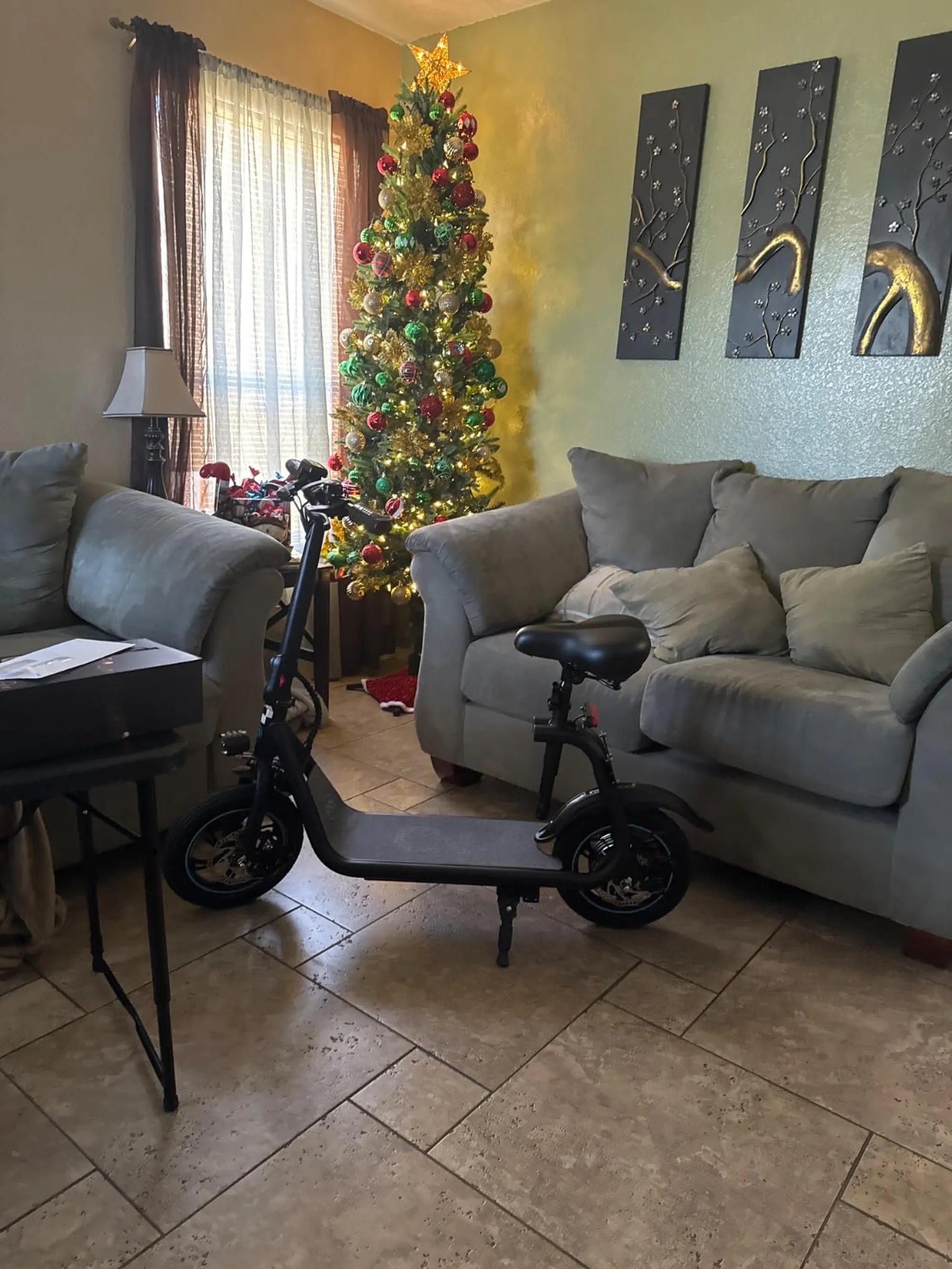
Imagine gliding up hills effortlessly, cruising through city streets without breaking a sweat, and extending your cycling range without the need for a brand-new electric bike. Ebike conversions make this dream a reality, offering an affordable and eco-friendly way to upgrade your existing bicycle. Whether you're a commuter, a weekend adventurer, or someone looking to reduce their carbon footprint, converting your bike to electric is a game-changer. Let's dive into the world of ebike conversions and explore how you can transform your ride.
Why Choose an Ebike Conversion?
Ebike conversions are gaining popularity for several compelling reasons. First, they are cost-effective. Purchasing a new electric bike can be expensive, but a conversion kit allows you to enjoy the benefits of an ebike at a fraction of the price. Second, conversions are environmentally friendly. By repurposing your existing bike, you reduce waste and minimize your carbon footprint. Third, conversions offer customization. You can choose the components that best suit your riding style, whether you prefer a powerful motor for off-road trails or a lightweight setup for city commuting.
Types of Ebike Conversion Kits
There are three main types of ebike conversion kits: front hub, rear hub, and mid-drive. Each has its pros and cons, depending on your needs.
Front Hub Kits
Front hub kits are the easiest to install and are ideal for beginners. The motor is located in the front wheel, providing a straightforward installation process. However, front hub motors can affect steering and traction, especially on uneven terrain.
Rear Hub Kits
Rear hub kits offer better traction and a more natural riding feel since the motor is positioned at the rear wheel. These kits are great for commuters and casual riders. The installation is slightly more complex than front hub kits, but the performance benefits are worth it.
Mid-Drive Kits
Mid-drive kits are the most advanced and efficient option. The motor is located near the bike's bottom bracket, providing optimal weight distribution and leveraging the bike's gears for better performance. These kits are perfect for off-road enthusiasts and those who tackle steep hills regularly.
Step-by-Step Guide to Converting Your Bike
Converting your bike to electric is easier than you might think. Follow these steps to get started:
1. Choose the Right Kit
Select a conversion kit that matches your bike's specifications and your riding needs. Consider factors like motor power, battery capacity, and compatibility with your bike's frame.
2. Gather Tools and Supplies
You'll need basic tools like wrenches, screwdrivers, and a torque wrench. Some kits come with all the necessary hardware, but it's good to have your tools on hand.
3. Remove the Existing Wheel
If you're using a hub motor kit, you'll need to replace either the front or rear wheel. Carefully remove the existing wheel, ensuring you keep all nuts and bolts organized.
4. Install the Motor
Attach the motor to the wheel according to the kit's instructions. Make sure all connections are secure and the motor is properly aligned.
5. Mount the Battery and Controller
Position the battery and controller on your bike's frame. Ensure they are securely fastened and won't interfere with your pedaling or steering.
6. Connect the Wiring
Follow the wiring diagram provided with your kit to connect the motor, battery, and controller. Double-check all connections to avoid any electrical issues.
7. Test Your Ebike
Before hitting the road, test your ebike in a safe area. Check the throttle, brakes, and pedal assist to ensure everything is working correctly.
Maintenance Tips for Your Converted Ebike
To keep your ebike running smoothly, follow these maintenance tips:
- Regularly check the battery charge and avoid letting it drain completely.
- Keep the motor and electrical components clean and dry.
- Inspect the brakes and tires frequently, as the added weight and speed of an ebike can cause faster wear.
- Lubricate the chain and gears to ensure smooth pedaling.
Legal Considerations for Ebike Conversions
Before converting your bike, familiarize yourself with local regulations. Many regions have specific laws regarding ebike power limits, speed restrictions, and where you can ride. Ensure your converted ebike complies with these rules to avoid fines or legal issues.
Ebike conversions open up a world of possibilities for cyclists of all levels. Whether you're looking to save money, reduce your environmental impact, or simply enjoy a more comfortable ride, converting your bike to electric is a smart choice. With the right kit and a bit of patience, you'll be zipping around town in no time. Ready to take your cycling to the next level? Your electric adventure starts now!
125cc 125cc Dirt Bike: The Ultimate Guide to Power and Performance
125cc 125cc Dirt Bike: The Ultimate Guide to Power and Performance