


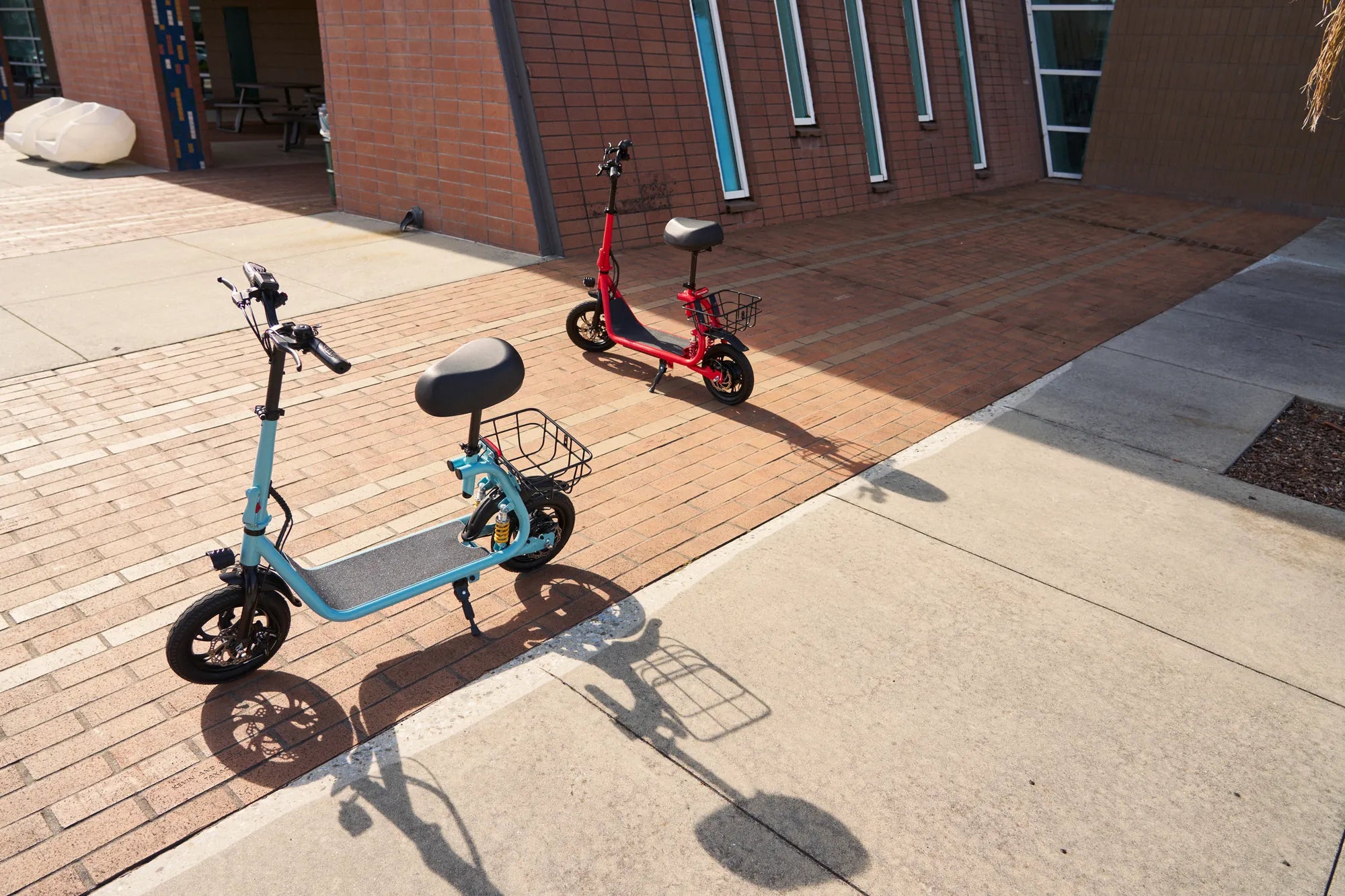
The food delivery industry is booming, and with it comes the need for faster, greener, and more efficient transportation solutions. Enter the ebike for food delivery—a game-changer that combines convenience, cost-effectiveness, and environmental friendliness. Whether you're a delivery rider or a business owner, understanding the advantages of ebikes can help you stay ahead in this competitive market.
Why Ebikes Are Perfect for Food Delivery
Ebikes offer a unique blend of speed and agility, making them ideal for navigating busy urban streets. Unlike traditional bikes, they provide electric assistance, allowing riders to cover longer distances without exhaustion. This is especially useful for food delivery, where time is of the essence.
- Faster Deliveries: Ebikes can maintain consistent speeds, reducing delivery times.
- Lower Costs: No fuel expenses and minimal maintenance compared to motor vehicles.
- Eco-Friendly: Zero emissions contribute to cleaner cities.
How Ebikes Improve Delivery Efficiency
One of the biggest challenges in food delivery is ensuring meals arrive hot and fresh. Ebikes help overcome this by enabling quicker trips and reducing delays caused by traffic congestion. Their compact size allows riders to take shortcuts and avoid gridlocked roads, ensuring timely deliveries.
Additionally, many ebikes come equipped with cargo racks or storage compartments, making it easier to transport multiple orders at once. This boosts productivity and increases earning potential for delivery riders.
The Environmental Impact of Ebike Deliveries
As cities worldwide push for greener transportation, ebikes stand out as a sustainable alternative to gas-powered vehicles. By switching to ebikes, food delivery services can significantly reduce their carbon footprint. This not only aligns with environmental regulations but also appeals to eco-conscious customers.
Studies show that replacing just 10% of delivery vehicles with ebikes could cut urban emissions by a substantial margin. With climate change becoming a pressing issue, the shift toward ebikes is more than just a trend—it's a necessity.
Cost Savings for Delivery Riders and Businesses
For independent delivery riders, ebikes present a cost-effective solution. The initial investment is often lower than purchasing a scooter or car, and operating costs are minimal. Charging an ebike battery costs pennies compared to refueling a gas-powered vehicle.
Businesses also benefit from reduced overheads. With fewer vehicle maintenance expenses and no need for parking permits in crowded areas, companies can allocate resources more efficiently. This makes ebikes a smart choice for startups and established delivery services alike.
Overcoming Challenges in Ebike Food Delivery
While ebikes offer numerous advantages, there are challenges to consider. Battery life, for instance, can limit range, especially for long shifts. However, advancements in battery technology are extending ride times, and many cities are installing charging stations to support ebike users.
Another concern is theft, as ebikes are valuable targets. Investing in robust locks and GPS tracking can mitigate this risk. Despite these hurdles, the benefits far outweigh the drawbacks, making ebikes a viable option for food delivery.
The Future of Food Delivery on Ebikes
The demand for quick and sustainable delivery options is only growing, and ebikes are poised to play a central role. Cities are increasingly adopting bike-friendly infrastructure, such as dedicated lanes and parking zones, further encouraging their use.
As technology evolves, we can expect even more innovative features, such as solar-powered charging and smart routing systems. These advancements will make ebikes an even more attractive choice for delivery riders and businesses.
Ready to join the revolution? Whether you're a delivery rider looking to boost efficiency or a business aiming to reduce costs and emissions, the ebike for food delivery is your ticket to a faster, greener future. Don't get left behind—embrace the change today and ride toward success.
Dirt Bike Scooter: The Ultimate Guide to Off-Road Adventure
E Bike Light Bar: The Ultimate Guide to Choosing and Installing the Best Lighting Solution