



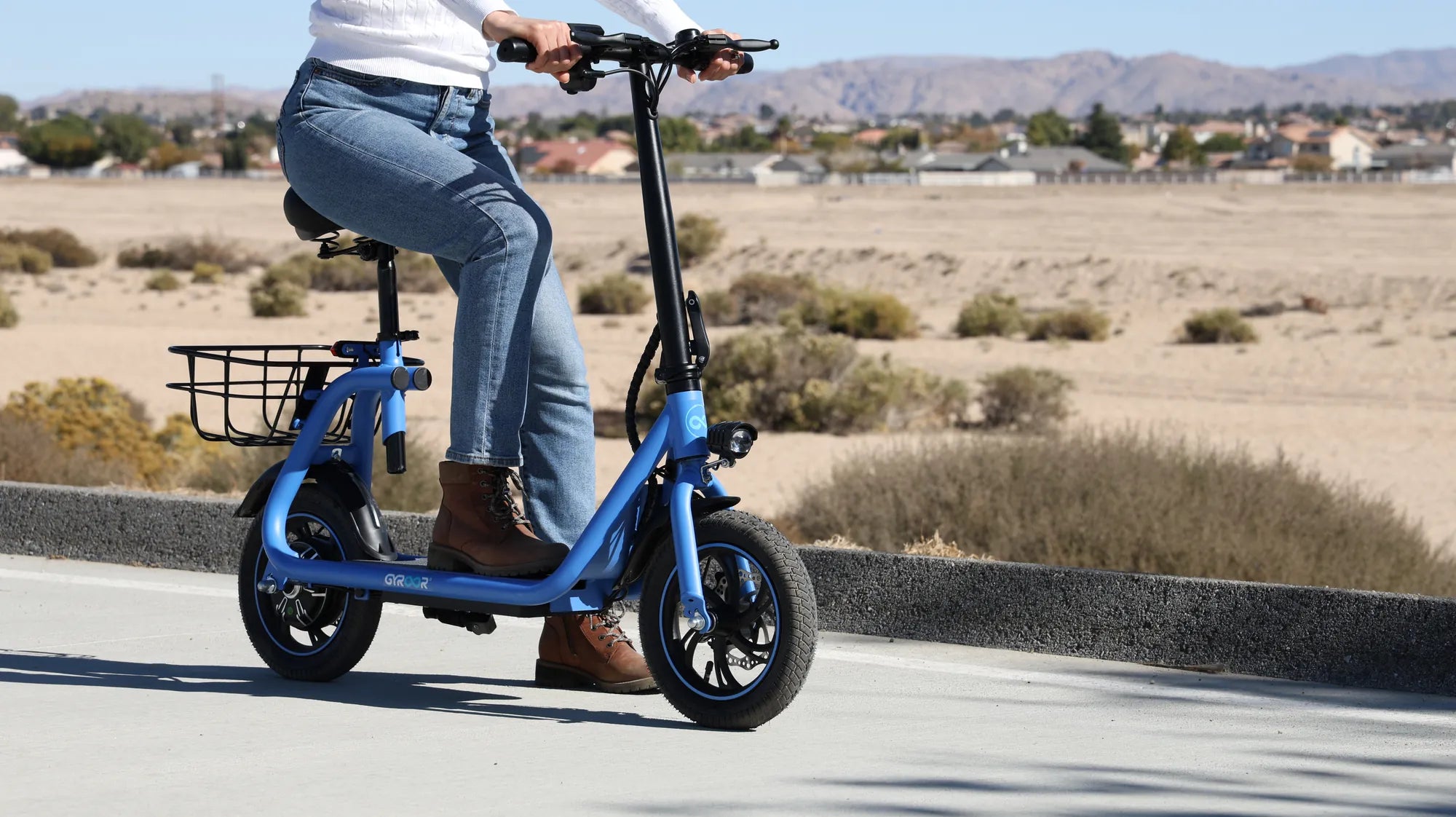
Introduction: Why Your E-Bike's Front Fork Is the Cornerstone of Your Ride
Your ebike's front fork is arguably its most critical safety component, responsible for steering precision, impact absorption, and brake support. When it fails or underperforms, the entire riding experience—and your safety—is compromised. An ebike front fork replacement is a significant undertaking that becomes necessary due to wear, damage, or the pursuit of enhanced performance. This guide provides a complete framework for riders, from urban commuters to off-road enthusiasts, to understand when replacement is needed, how to choose the correct component, and ensure a safe installation.
Unlike standard bicycles, e-bikes impose unique stresses on the front fork. The additional weight of the motor and battery, combined with higher average speeds and greater torque through acceleration, demands components engineered for durability. A successful ebike front fork replacement restores not just comfort but fundamental handling characteristics and braking reliability. We'll navigate the technical specifications, compatibility pitfalls, and installation nuances specific to electric bicycles.
Signs Your E-Bike Fork Needs Replacement: Beyond Basic Maintenance
Recognizing when your fork has moved beyond serviceable wear into replacement territory is crucial for preventing catastrophic failure. The symptoms often develop gradually, but some indicate immediate danger.
Visible Damage and Structural Wear
Conduct regular visual inspections. Deep scratches, gouges, or cracks in the aluminum or carbon fiber stanchions (the upper tubes) are severe red flags. Even small cracks can propagate under stress. Significant dents in the fork lowers or crown are equally critical. Persistent, heavy oil leaking from the seals indicates failed internal damping systems, which can't always be repaired cost-effectively.
Another clear sign is permanent stiction or binding. If the fork no longer moves smoothly through its travel even after a basic cleaning and lubrication of the stanchions, the internal bushings or the stanchions themselves are likely damaged. This friction dramatically reduces suspension performance and handling.
Performance and Handling Degradation
Listen and feel for changes. A knocking or clunking sound when applying the front brake or hitting bumps often points to worn-out headset bearings or loose internal fork components. If the fork dives excessively under braking or feels vague and unresponsive in corners, the damping system has likely failed.
Performance issues include the fork "bottoming out" harshly on mild impacts or failing to rebound properly, feeling "stuck" down. For rigid forks, a subtle twist or flex that wasn't present before indicates metal fatigue. Any of these symptoms, especially on a heavier e-bike, justify a serious inspection and likely point toward the need for an ebike front fork replacement.
Choosing the Right Replacement Fork: A Data-Driven Buyer's Guide
Selecting a new fork isn't about finding the cheapest option; it's about matching specifications to your e-bike's design and your riding demands. Compatibility is non-negotiable.
Key Compatibility Factors You Must Check
First, identify your steerer tube type: threaded (older style) or threadless (modern standard). Next, measure the steerer tube diameter—1", 1-1/8", or 1.5" are common. The fork must match exactly. Wheel axle compatibility is critical: determine if your hub uses a Quick Release (QR), 15x100mm thru-axle, or 20x110mm boost spacing. The fork's dropout must match.
Brake mount compatibility is equally vital. Most modern e-bikes use disc brakes. Confirm whether your brake caliper mounts via a Post Mount or International Standard (IS) system and ensure the new fork has the corresponding mounts. Also, note the maximum rotor size the fork is rated for, as e-bikes often use larger rotors (180mm-203mm) for increased stopping power.
Fork Types and Features for E-Bike Applications
The choice between rigid, suspension, and hybrid forks depends on your terrain. Rigid forks are lightweight and low-maintenance, ideal for smooth urban commuting on Class 1 e-bikes. Suspension forks, essential for off-road or rough pavement, add comfort and control.
For suspension forks, travel length (80mm-150mm) should correspond to your riding. Urban/light trail: 80-100mm. Aggressive trail/e-MTB: 120-150mm. Look for robust construction—stanchions of 32mm diameter or larger are recommended for e-MTBs to handle the extra weight and torque. Adjustability features like preload, rebound damping, and a lockout (to rigidify the fork for efficiency on pavement) are highly valuable for mixed-use e-bikes.
Prioritizing Weight Capacity and E-Bike Specific Durability
Always consider the system weight: rider, bike, cargo, and motor/battery. Many standard forks are not rated for the total weight of a loaded e-bike. Seek out forks explicitly labeled "E-Bike Rated," "E-MTB Approved," or "For High-Pivot Loads." These models feature reinforced crowns, thicker stanchion walls, and stronger internal damping circuits.
Brands that engineer complete e-bike systems, like Gyroor, design their frames and components to handle these specific stresses cohesively. Using a fork not rated for e-bike use can lead to premature failure and unsafe riding conditions, making the initial research for your ebike front fork replacement a critical safety step.
The Replacement Process: Evaluating DIY vs. Professional Service
Replacing a fork is a complex mechanical task that involves the bike's steering and braking systems. Understanding the process helps you decide whether to attempt it yourself.
Essential Tools and Preparation
A DIY installation requires specialized tools. A quality torque wrench is mandatory to avoid over- or under-tightening critical bolts. You'll need hex keys, a headset press (for installing headset cups if needed), a crown race setter (or a suitable makeshift tool), and possibly a saw and guide to cut a carbon or aluminum steerer tube to length. You must also have the correct replacement parts: new headset bearings (often), a crown race (sometimes included with the fork), and potentially new brake hardware.
Step-by-Step Overview of the Procedure
The high-level sequence is: 1) Remove the front wheel and disconnect the front brake caliper. 2) Remove the handlebar and stem from the steerer tube. 3) Disassemble the headset, removing the top cap, spacers, and bearings. 4) Slide the old fork out of the head tube. 5) Transfer or install the new crown race onto the new fork. 6) Insert the new fork, reassemble the headset with bearings, spacers, stem, and top cap. 7) Adjust headset bearing preload. 8) Re-attach the brake caliper and front wheel. 9) Cut the steerer tube to length (if necessary) and finalize stem installation.
The most critical steps are achieving proper headset bearing preload (smooth rotation without play) and torquing the stem bolts to the manufacturer's specification. Incorrect torque on a carbon steerer can crush it; on any steerer, it can lead to catastrophic failure.
When to Hire a Professional Bike Mechanic
If the process above sounds daunting, or if you lack the specific tools (especially a torque wrench and headset press), hiring a professional is the wise choice. This is especially true for e-bikes with internally routed cables or hydraulic brake lines that may be difficult to disconnect and re-bleed.
For riders whose e-bikes are under warranty, like Gyroor's 1-year comprehensive warranty, having a certified technician perform a major component replacement like an ebike front fork replacement ensures the warranty remains valid. The cost of professional installation is an investment in safety and long-term reliability.
Post-Installation: Setup, Safety Check, and Ongoing Maintenance
Installing the fork is only half the job. Proper setup and a rigorous safety inspection are essential before the first ride.
Initial Setup and Suspension Adjustment
For suspension forks, set the sag. This is the amount the fork compresses under your static weight (in riding gear). For general e-biking, 15-25% sag is a good starting point. Use the preload adjuster or adjust air pressure if it's an air fork. Set rebound damping so the fork returns quickly but without kicking back. Use the lockout for climbing or smooth roads to conserve battery.
The Critical Pre-Ride Safety Check
Before riding, perform a meticulous check: Verify all bolts (stem, brake caliper, axle) are torqued to spec. Grasp the front brake and rock the bike forward/backward to check for headset play. Ensure the headset turns smoothly without binding. Spin the front wheel to check for brake rub and alignment. Test the brakes extensively at low speed first. This checklist is non-negotiable after any ebike front fork replacement.
Long-Term Fork Care for E-Bikes
E-bikes require more frequent maintenance. Clean fork stanchions after every dirty ride with a soft cloth. Inspect seals regularly for leaks. Due to the increased weight and force, plan for lower-leg service (seal replacement and oil change) more often than the manufacturer's standard bicycle interval—perhaps every 50-75 riding hours for aggressive use. This proactive care extends the life of your investment.
Cost Analysis and Comparison of Fork Options
The total cost of an ebike front fork replacement varies widely based on fork type, quality, and installation method. Below is a comparison table outlining common scenarios.
| Fork Type & Quality | Estimated Fork Cost (USD) | Typical Use Case | Professional Install Labor (Est.) | Total Project Cost Range |
|---|---|---|---|---|
| Basic Rigid Fork (Alloy) | $50 - $150 | Urban Commuting (Lightweight) | $60 - $100 | $110 - $250 |
| E-Bike Rated Suspension Fork (Coil Spring) | $200 - $400 | Hybrid/Comfort E-Bikes | $80 - $120 | $280 - $520 |
| E-MTB Air Fork (Mid-range, 34-35mm Stanchions) | $400 - $700 | Trail Riding, Aggressive Commuting | $80 - $120 | $480 - $820 |
| High-Performance E-MTB Fork (Premium) | $800 - $1,500+ | Technical Mountain Biking | $100 - $150 | $900 - $1,650+ |
This table shows that while a simple replacement can be relatively affordable, upgrading to a high-performance, e-bike-specific fork is a significant investment. The labor cost is a fixed premium that ensures safety and correctness, often justifying the expense for complex installations.
FAQ: E-Bike Front Fork Replacement
Q: Is a fork replacement covered under my e-bike warranty?
A: Typically, warranties cover manufacturing defects in materials or workmanship. Damage from crashes, accidents, normal wear and tear, or improper maintenance is usually not covered. Always review your specific warranty terms. For Gyroor e-bikes, the 1-year comprehensive warranty covers defects, but installation of non-OEM parts may affect coverage for related components.
Q: Can I put a suspension fork on a bike that came with a rigid fork?
A: This is generally not recommended, especially for e-bikes. The frame is designed for a specific fork length (axle-to-crown). Adding a suspension fork changes the bike's geometry, raising the front end and potentially making it unstable. It also adds stress to a head tube not designed for suspension forces, risking frame damage.
Q: How often should I service my e-bike's suspension fork?
A> For regular e-bike use (commuting, light trails), a basic lower-leg service (seal clean and oil change) should be done every 100-125 hours of riding, or at least once a year. For aggressive e-MTB use, consider servicing every 50-75 hours due to higher loads and contamination.
Q: What does "E-Bike Rated" actually mean for a fork?
A> It means the fork has been tested and engineered to withstand the higher system weights, increased torque from motor assist, and more demanding use cycles of an electric bicycle. This involves stronger materials, reinforced construction, and often more robust damping systems.
Q: Can I reuse my old headset bearings and crown race?
A> It is possible, but not advisable. During removal, bearings can be damaged. The crown race is often very tight on the steerer and can be damaged during removal. For the marginal cost, installing new, high-quality bearings and using the crown race supplied with your new fork ensures optimal performance and longevity.
Conclusion: Securing Confidence and Control for the Long Ride
A successful ebike front fork replacement is a direct investment in your safety, comfort, and riding enjoyment. It requires careful diagnosis, meticulous compatibility checking, and precise execution—whether you choose the DIY path or partner with a professional. For e-bike riders, never compromise on components rated for the specific demands of electric assist. The reinforced construction found in e-bike specific forks and in the engineering of complete systems from trusted brands like Gyroor is designed to handle the weight, power, and real-world use that defines modern electric cycling. By prioritizing durability and correct installation, you protect your larger investment in your e-bike and ensure countless miles of smooth, secure, and confident riding ahead.
Ready to explore durable e-mobility solutions engineered for real-world performance? Browse the full Gyroor collection, featuring UL-certified batteries, IPX5 water-resistant designs, and robust frames built to last, at gyroorboard.com.
17 Dirt Bike Tire: The Complete Guide to Performance, Specs, and Selection
Foldable Toddler Scooter: The Ultimate Guide for Safety, Convenience & Fun