

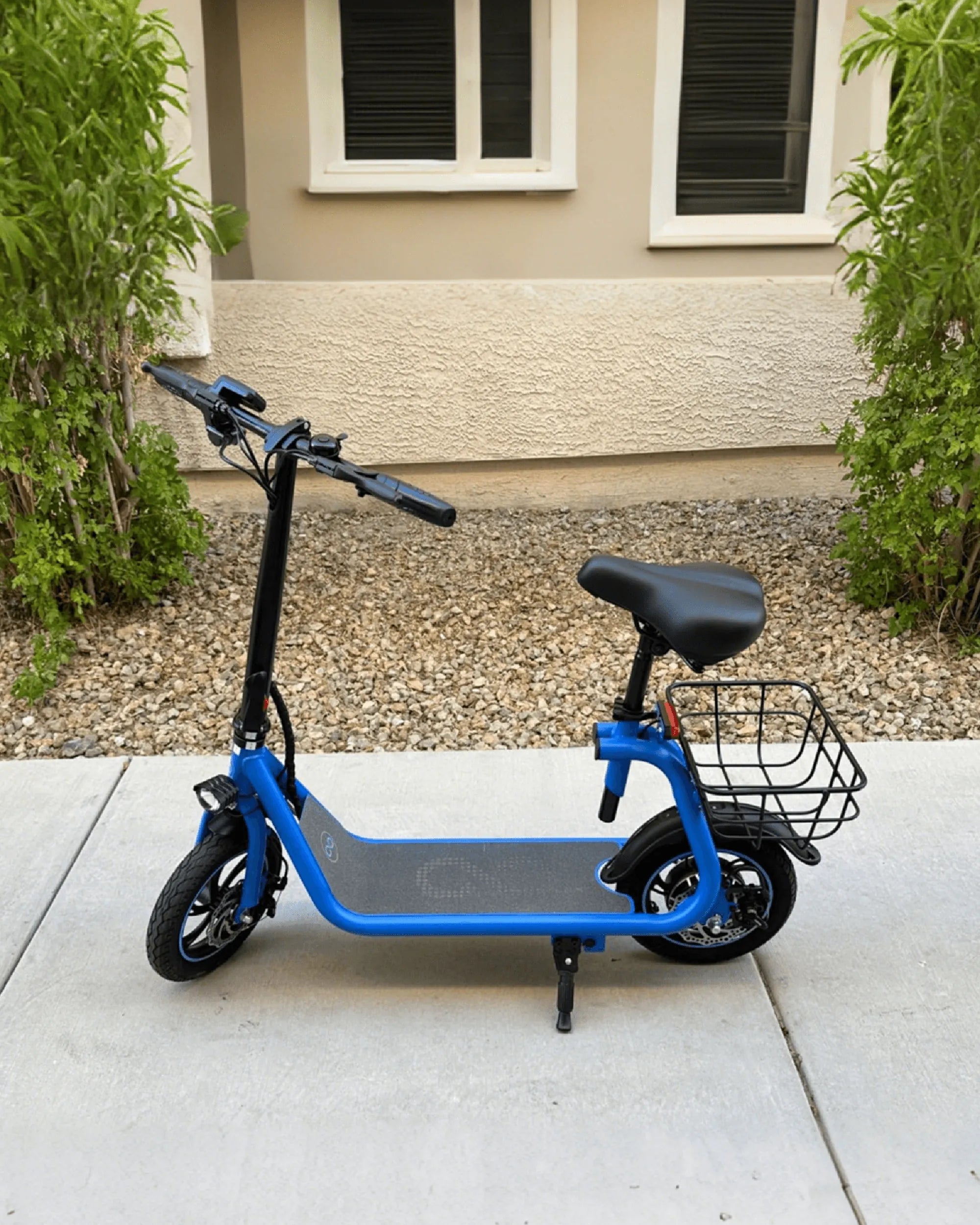
Electric bicycles have revolutionized the way we commute, explore, and stay active. At the core of every ebike is its motor—the silent powerhouse that transforms pedaling into effortless motion. Whether you're a daily commuter, a weekend adventurer, or someone looking to reduce their carbon footprint, understanding the ebike motor is key to unlocking the full potential of your ride.
How an Ebike Motor Works
An ebike motor converts electrical energy from the battery into mechanical energy, assisting your pedaling efforts. Most motors operate using a system of sensors that detect your pedaling speed, force, or both. This data is sent to the motor's controller, which adjusts the power output accordingly. The result? A smooth, responsive ride that feels natural.
Types of Ebike Motors
There are three primary types of ebike motors, each with its own advantages:
Hub Motors
Hub motors are integrated into the front or rear wheel hub. They are known for their simplicity, quiet operation, and low maintenance. Rear hub motors provide better traction, while front hub motors offer a more balanced feel.
Mid-Drive Motors
Mid-drive motors are positioned near the bike's crankset, leveraging the bicycle's gears for optimal efficiency. These motors excel in hilly terrain and provide a more natural riding experience by distributing weight centrally.
All-in-One Wheel Motors
These compact motors combine the motor, battery, and electronics into a single wheel unit. They are lightweight and easy to install, making them a popular choice for conversion kits.
Key Features to Consider
When choosing an ebike motor, consider the following factors:
- Power Output: Measured in watts (W), higher power motors provide more assistance but may drain the battery faster.
- Torque: Higher torque motors deliver better acceleration and hill-climbing performance.
- Efficiency: Look for motors with high energy efficiency to maximize battery life.
- Weight: Lighter motors improve handling but may sacrifice power.
- Noise Level: Some motors operate almost silently, while others produce a noticeable hum.
Maintenance and Longevity
Ebike motors are designed to be durable, but proper care can extend their lifespan. Keep the motor clean, avoid submerging it in water, and have it serviced regularly by a professional. Most motors last between 10,000 to 20,000 miles, depending on usage and conditions.
The Future of Ebike Motors
Advancements in motor technology continue to push the boundaries of performance and efficiency. Lighter, more powerful, and smarter motors are on the horizon, promising even better riding experiences. Innovations like regenerative braking and AI-assisted power adjustment could soon become standard.
Ready to experience the thrill of effortless riding? The right ebike motor can make all the difference—transforming every journey into a seamless adventure. Whether you're climbing steep hills or cruising through the city, the perfect motor is waiting to power your next ride.
Long Range Ebike: The Ultimate Guide to Extended Adventures on Two Wheels
Scooter for 4 Year Old: The Ultimate Guide to Choosing the Perfect Ride