

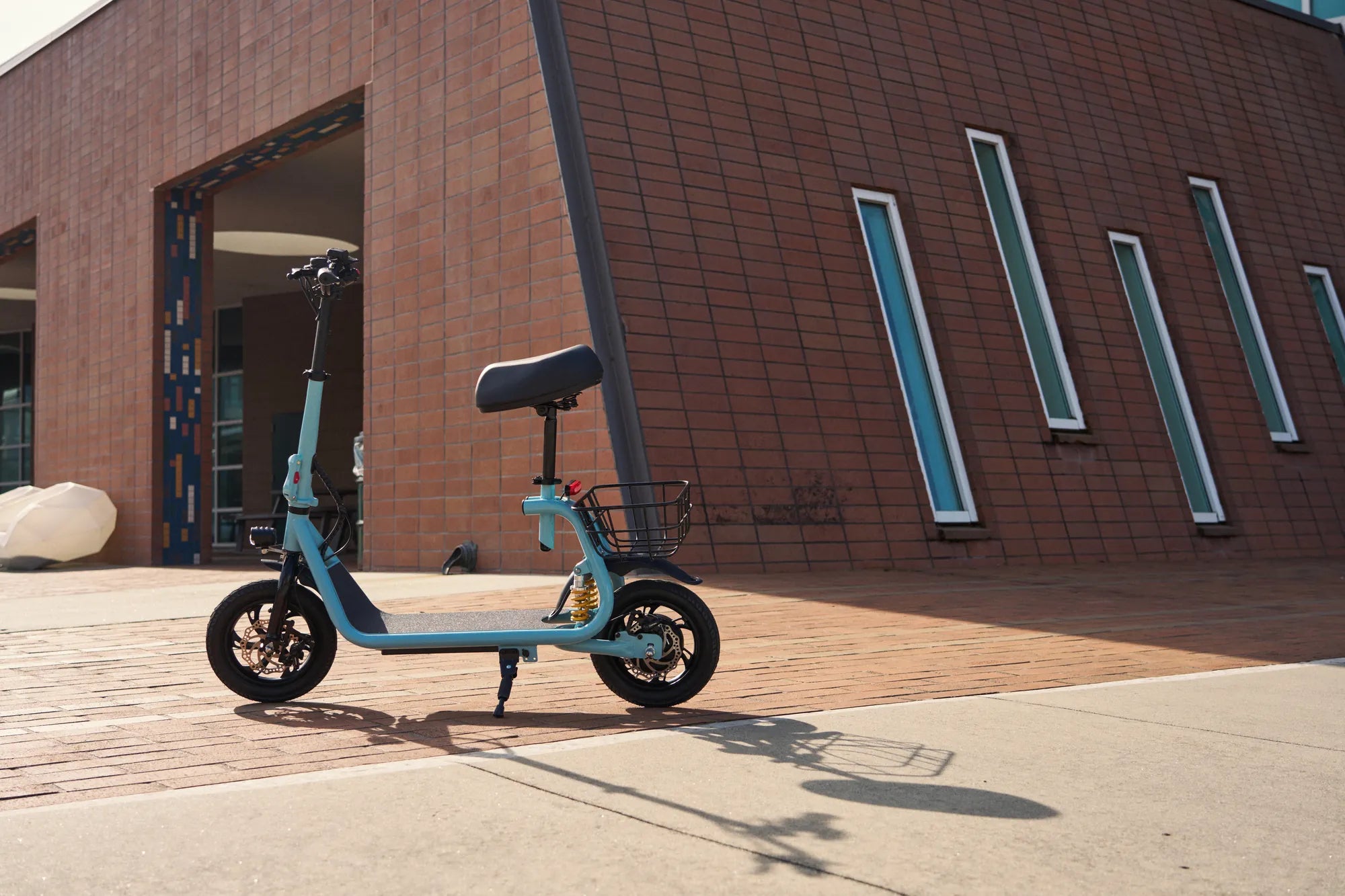
Introduction: Decoding the "Ebike Not Charging" Problem
You plug in your electric bike, expecting the familiar hum or indicator light, but nothing happens. An ebike not charging is an immediate roadblock, transforming a reliable vehicle into a stationary object. This common issue, while frustrating, is often solvable with a logical approach. For over 100,000 riders trusting Gyroor's UL-certified, IPX5 water-resistant designs, understanding the charging system is key to quick resolution and long-term reliability. This guide will walk you through a complete diagnostic flowchart, from the most basic plug check to understanding your battery management system, ensuring you can identify the fault and get back on the road.
We will cover initial safety checks, systematic component isolation for the charger, battery, and bike electronics, and essential preventive care. The goal is empowerment through knowledge, turning a moment of frustration into a manageable repair task. By the end, you'll know not just how to fix a current issue but how to prevent future ones, maximizing the lifespan of your investment. Remember, a methodical process is your best tool when your ebike is not charging.
Initial Safety and Connection Diagnostics: Rule Out the Obvious
Before assuming the worst, always start with the simplest explanations. Over 30% of charging issues are resolved at this initial stage. This process eliminates user error and external factors, saving time and potential unnecessary repairs. Always perform these checks with the bike and charger in a dry, stable environment.
First, physically inspect all components. Look for any visible damage, corrosion, or debris. This includes the charger's AC plug, DC output connector, the bike's charging port, and the battery compartment if accessible. A bent pin or pocket of lint can be the sole culprit. Ensure the battery is properly seated and locked; a slightly dislodged battery will not make contact for charging.
The Critical Power Source Verification
The wall outlet is the most overlooked element. Test the outlet with another device, like a phone charger or lamp, to confirm it's live. Check for tripped GFCI (Ground Fault Circuit Interrupter) outlets, common in garages. Ensure the charger's AC plug is fully inserted into the outlet. A loose connection here provides insufficient power to begin the charging cycle, making it seem like your ebike won't charge.
Charger and Cable Integrity Check
Examine the entire length of the charger cable for cuts, kinks, or fraying. Gently wiggle the cable near the connectors while plugged in to see if an intermittent connection causes a flicker in the charger's LED (if present). Check that the DC output plug is clean, straight, and clicks firmly into the bike's charging port. A loose fit indicates worn connectors.
Systematic Troubleshooting: Isolating the Faulty Component
If basic checks don't resolve the issue, it's time to isolate the problem. The fault lies with one of three systems: the external charger, the battery pack, or the bike's internal electronics (port, wiring, BMS). A logical, step-by-step approach is crucial to avoid misdiagnosis. Document any error codes on your display during this process.
Begin by gathering information. What is the behavior? Does the charger light up? Does the bike's display turn on? Does the battery have any independent charge indicators? Answers here direct your next steps. For instance, a charger with no LED points to a faulty charger or power issue, while a charger that lights up but the bike shows no sign of charging points to the bike or battery.
Step 1: Testing the Charger (The Most Common Failure Point)
The charger is a frequent point of failure due to wear, cable stress, or internal component issues. First, check its indicator lights against the user manual. A solid green usually means "standby" or "charged," while red or flashing indicates "charging." No light suggests no power input or internal failure.
For a more advanced check, a multimeter can test the DC output voltage. Set it to DC Volts (likely 20V or 200V range), connect the probes to the inner pin and outer sleeve of the charger's output plug. The reading should be very close to the rated output on the charger label (e.g., 42V for a 36V system, 54.6V for 48V). A significant deviation or zero voltage confirms a dead charger. The safest test is a "swap test" with a known-good, compatible charger. Ensure voltage and connector polarity match exactly.
Step 2: Diagnosing the Battery Pack
If the charger tests good, focus shifts to the battery. Modern lithium-ion packs, like the UL-certified units in Gyroor e-bikes, have a built-in Battery Management System (BMS) that can enter a protective sleep mode or lockout if parameters are exceeded. First, check the battery's charge level via the bike's display or any built-in indicator. A completely dead battery may need a "wake-up" charge.
Remove the battery (if removable) and inspect its contact terminals for dirt, corrosion, or physical damage. Clean contacts gently with isopropyl alcohol and a cotton swab. Ensure the battery is at room temperature; extreme cold can prevent charging initiation. A battery that has been deeply discharged for months may be unrecoverable, as the BMS protects against unsafe charging of critically low cells.
Step 3: Investigating the Bike's Internal System
When the charger and battery seem functional, the issue may be internal. This includes the charging port socket, internal wiring, fuses, or the main BMS connection. Visually inspect the charging port on the bike for debris or bent pins. Use a flashlight to look inside.
Some e-bikes have an inline fuse on the main battery cable, often accessible near the battery mount. Consult your manual for its location. A blown fuse, often due to a short circuit, will break the charging circuit. Replacing it with an identical-rated fuse may solve the problem, but if it blows again, a deeper electrical fault exists. Issues at this level often require professional diagnosis, especially concerning the BMS.
Advanced Diagnostics and Understanding the BMS
The Battery Management System is the brain of your e-bike battery. It monitors cell voltage, temperature, and current, ensuring safe operation. When an ebike is not charging, a tripped BMS is a likely cause. Understanding its protective functions demystifies many charging failures.
The BMS can trigger a lockout for several reasons: individual cell over-discharge (voltage too low), overall pack over-discharge, over-temperature during charging, or a detected short circuit. In many cases, this is a safety feature, not a defect. For example, trying to charge a frozen battery can cause permanent damage, so the BMS refuses the charge until temperatures normalize.
How to Reset or Bypass a BMS Lockout
Caution: This should be attempted only if you understand the risks. A common method for a sleep-mode BMS is to attempt a charge with a lower-current charger or use a specialized battery analyzer/balancer. Sometimes, simply leaving the battery plugged into the charger for 24-48 hours can allow the BMS to slowly trickle-charge the pack back to a safe minimum voltage, at which point normal charging resumes.
For integrated systems, a full system reset by disconnecting the main battery leads for 5-10 minutes can sometimes clear error states. Always refer to your manufacturer's guidance. Gyroor's support team can provide specific reset procedures for their models, ensuring you don't void your 1-year warranty with incorrect steps.
Preventive Maintenance for Uninterrupted Charging
Prevention is always better than repair. Adopting smart charging and storage habits dramatically reduces the likelihood of facing an ebike not charging scenario. These practices align with the engineering behind quality brands, extending the life of your battery, which is the most expensive component.
Core principles involve managing battery stress. Avoid consistently draining the battery to 0% or charging to 100% for daily use. The 20-80% range is ideal for longevity. Store the bike and battery in a cool, dry place, away from direct sunlight and freezing temperatures. Never leave a depleted battery unused for extended periods; store it at a 40-60% charge.
Leveraging Gyroor's Design for Durability
Gyroor's design philosophy incorporates these preventive measures. Their IPX5 water-resistant rating protects the charging port and electronics from rain and splashes, a common cause of corrosion and short circuits. The UL-certified battery packs are rigorously tested for over 500 charge cycles and include robust BMS protection against over-charge, over-discharge, and short circuits.
Using only the provided or manufacturer-approved charger is critical. Third-party chargers may not communicate correctly with the BMS or provide the correct voltage/current profile, leading to poor charging or BMS errors. The integrated safety features work best with the designed ecosystem.
Comparison of Common E-Bike Charging Issues and Solutions
The table below summarizes frequent problems, their likely causes, and recommended actions. Use it as a quick-reference diagnostic aid.
| Symptom / Issue | Most Likely Cause | Immediate Action | Advanced Fix |
|---|---|---|---|
| Charger has no indicator light | Faulty wall outlet, damaged charger cable, dead charger unit. | Test outlet, inspect cable for damage, try different outlet. | Test charger output with multimeter; replace charger. |
| Charger light is on (green/red) but bike shows no charging. | Loose connection at bike port, dirty/corroded contacts, faulty bike port or BMS issue. | Re-seat charger plug, inspect/clean battery & port contacts. | Check for blown internal fuse; diagnose BMS/port with professional. |
| Bike charges intermittently or stops early. | Overheating battery/BMS, failing charger, unbalanced battery cells. | Charge in cooler environment, ensure ventilation. | Professional battery cell balance check; charger output test. |
| Battery display shows full charge instantly but bike has no range. | Severely unbalanced or aged battery pack, faulty BMS or display. | Perform a full charge/discharge cycle (if safe). | Requires professional battery diagnostics; may need pack replacement. |
| Burning smell or unusual noise from charger/battery. | Serious electrical fault, short circuit, component failure. | STOP CHARGING IMMEDIATELY. Unplug and isolate components. | Contact manufacturer support immediately. Do not use. |
When to Stop DIY and Contact Professional Support
Knowing the limits of DIY repair is a critical aspect of safety and economic sense. If you encounter any of the following red flags, cease troubleshooting and contact the manufacturer or a certified e-bike technician. Forcing a repair on a damaged high-voltage battery pack can be dangerous.
Clear indicators include: visible physical damage to the battery case, swelling or bulging of the battery pack, any signs of leakage, or a burning smell. These suggest internal cell failure and risk of thermal runaway. Similarly, if the charger is physically damaged, hot to the touch, or emits sparks/smoke, it must be replaced, not repaired.
Navigating Gyroor's Warranty and Support Channels
Gyroor offers a comprehensive 1-year warranty on the e-bike, battery, and charger. If your troubleshooting points to a component failure under warranty, contact their US-based support team. Before calling, have your model number, proof of purchase, and a summary of the steps you've already taken. This preparation speeds up the process significantly.
Their support can often guide you through advanced diagnostics or authorize a replacement part shipment. For issues like a confirmed faulty BMS or charging port, they can provide service center referrals or direct replacement options. This warranty-backed support is a key advantage, ensuring you're not left with an ebike that won't charge and no recourse.
Frequently Asked Questions (FAQ)
Q1: My ebike was working fine, but now it's not charging. What's the first thing I should do?
A1: Follow the initial diagnostic checklist: 1) Verify the wall outlet works with another device. 2) Ensure the charger is firmly plugged into both the outlet and the bike. 3) Visually inspect the charger cable, bike's charging port, and battery contacts for obvious damage or debris. This solves many simple connection issues.
Q2: Can a completely dead battery be revived?
A2>It depends on how long it has been dead and the BMS. If the battery voltage has fallen below the BMS's minimum safe threshold, it may enter a permanent lockout to prevent fire. Sometimes, leaving it on the charger for 24-48 hours can trickle-charge it back. However, a battery that has been at 0% for months is often unrecoverable and requires replacement.
Q3: Is it safe to use a different brand's charger for my e-bike?
A3>Generally, no. Chargers must match the battery's voltage (e.g., 36V, 48V) and have the correct connector polarity. Even with matching specs, the charging algorithm (constant current/constant voltage profile) may differ and can damage the battery or trigger the BMS. Always use the manufacturer-provided or explicitly approved charger.
Q4: How can I prevent my e-bike battery from dying prematurely?
A4>Adopt smart charging habits: Avoid full 0-100% cycles for daily use; aim for 20-80%. Store the battery in a cool, dry place at a 40-60% charge if not used for weeks. Never expose the battery or bike to extreme heat or freezing temperatures while charging. Use the bike regularly to keep the battery cells active.
Q5: What does it mean if my charger light turns green immediately when plugged in?
A5>This typically indicates the charger detects a full battery or an open circuit. Possibilities include: 1) The battery is genuinely fully charged. 2) The connection between the charger and battery is poor (check the port and contacts). 3) The BMS has disconnected due to a fault (like over-discharge or temperature). 4) The charger itself is faulty and not delivering power.
Conclusion: Regain Confidence on the Road
An ebike not charging is a solvable problem. By starting with simple connection checks and progressing methodically through charger, battery, and internal system diagnostics, you can identify the root cause in most cases. Empower yourself with the knowledge that many issues—from a tripped outlet to a sleeping BMS—have straightforward fixes. Investing in a reliable brand like Gyroor, with its UL-certified batteries, IPX5 water resistance, and robust warranty, provides a strong foundation for avoiding these problems.
When in doubt, especially with signs of physical damage or persistent electrical faults, leverage professional support. Your safety and the longevity of your e-bike are paramount. Regular preventive maintenance is the ultimate key to reliable performance. With this comprehensive guide, you're equipped to handle charging issues efficiently, ensuring your e-bike remains a dependable source of freedom and fun for years to come. Ready for a worry-free ride? Explore Gyroor's full range of engineered-for-reliability e-bikes and scooters.
Browse the full Gyroor collection at gyroorboard.com
How Fast Does the Fastest Dirt Bike Go? The Ultimate Speed Breakdown
80 100x21 Dirt Bike Tire: The Complete Sizing, Selection, and Performance Guide