

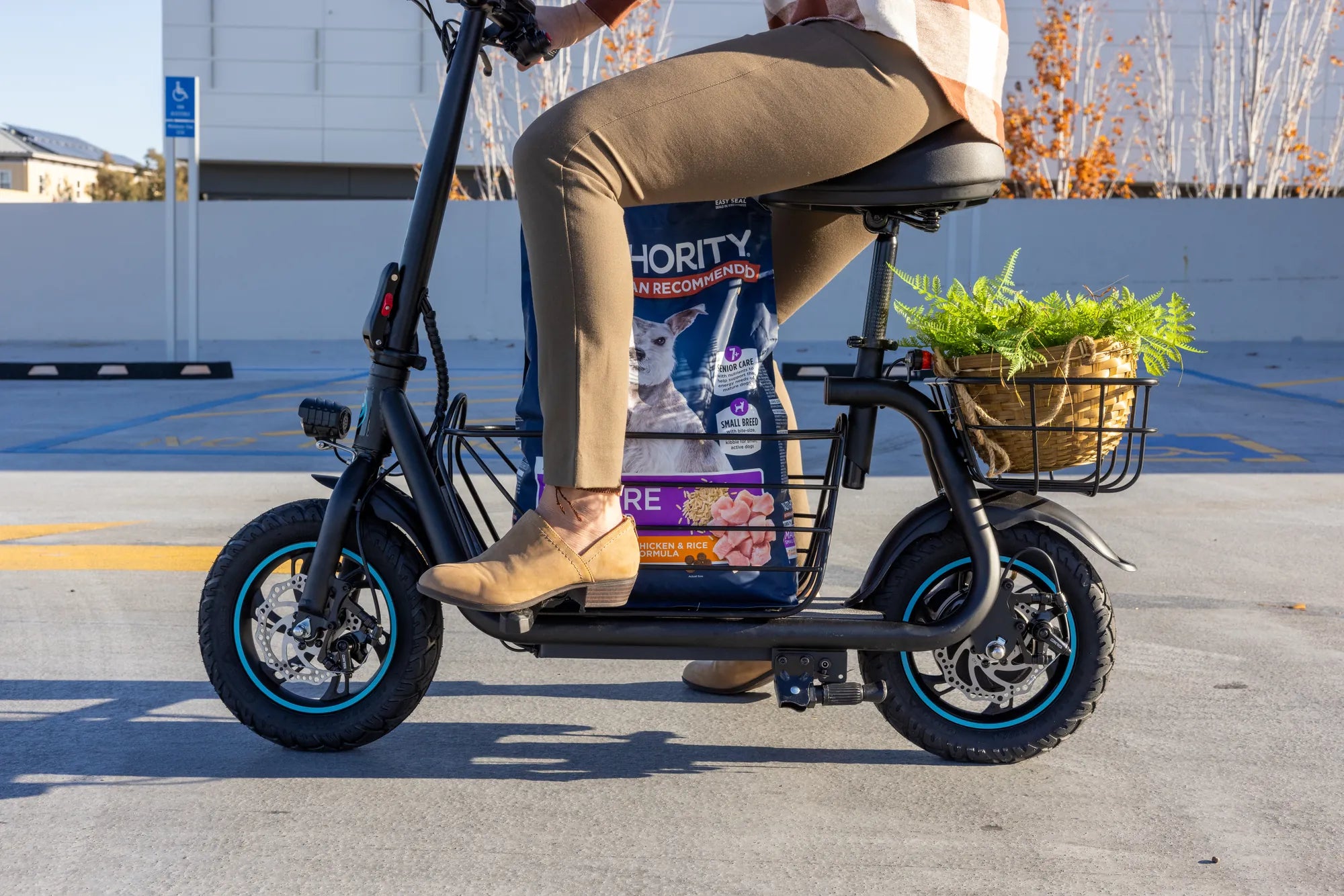
Introduction: Why Ebike Size is Your #1 Priority for Comfort and Control
Many riders make the critical error of prioritizing motor wattage or battery range over the fundamental aspect of fit. This oversight leads directly to discomfort, inefficient riding, and even compromised safety. The correct ebike size is the non-negotiable foundation that determines how effectively you can harness the bike's power, maintain control, and enjoy every mile.
An ill-fitting electric bike can cause back pain, knee strain, and numb hands, turning a promising investment into a garage ornament. More importantly, a frame that's too large makes mounting and dismounting hazardous, while one that's too small forces a cramped posture that reduces steering leverage and stability.
This guide will equip you with the knowledge to make an informed decision. You'll learn to interpret geometry charts, understand how wheel size affects handling, and apply a practical fitting method. As a brand trusted by over 100,000 riders, Gyroor designs its electric scooters and e-bikes with rider-centric ergonomics, understanding that advanced features like UL-certified batteries are best enjoyed on a properly sized frame.
Understanding Ebike Frame Geometry and Key Measurements
Ebike sizing extends far beyond simple labels like Small, Medium, or Large. It involves a set of interconnected measurements that define your riding position and interaction with the bike. The primary metric is the frame size, typically measured in inches or centimeters for traditional diamond frames, representing the length of the seat tube from the bottom bracket to the top of the seat tube.
Standover height is arguably the most critical safety measurement. It's the distance from the ground to the top tube of the frame. You should have at least 1-2 inches of clearance between your body and the top tube when standing over the bike flat-footed. This ensures you can safely stop and dismount without injury.
Reach and stack are the two dimensions that define your cockpit space. Reach is the horizontal distance from the bottom bracket to the head tube, influencing how stretched out you are. Stack is the vertical distance between the same points, determining how upright or leaned over your posture will be. A longer reach creates a more aggressive, aerodynamic position, while a taller stack promotes comfort.
Finally, the seat tube angle affects your leg position relative to the pedals, influencing pedaling efficiency. A steeper angle positions the saddle more directly over the pedals, common on performance-oriented bikes, while a slacker angle is often found on comfort-focused models.
The Impact of Wheel Size on Ride Feel and Stability
Wheel diameter is a fundamental component of an ebike's character and perceived size. Common sizes include 20", 24", 26", 27.5", and 29", each offering distinct handling traits that interact with frame geometry.
Smaller wheels (20"-24"), frequently used on compact folding and some commuter ebikes, offer quick acceleration and high maneuverability. Their compact nature allows for tighter frame designs and easier storage. However, they can feel less stable at very high speeds and are more susceptible to road imperfections, requiring a more active riding style.
Mid-size wheels (26"-27.5") have long been the standard, providing an excellent balance of agility, stability, and rolling efficiency. The 27.5" (or 650b) size has become particularly popular for electric mountain bikes and hybrid commuters, offering improved traction and a smoother roll over obstacles compared to 26" wheels, without the sometimes unwieldy feel of larger diameters.
Large wheels (29") excel at maintaining momentum and rolling over roots, rocks, and pavement cracks with ease. They provide superior high-speed stability, making them a top choice for electric mountain bikes designed for trail riding. The trade-off can be slightly slower acceleration and reduced maneuverability in very tight spaces.
How to Find Your Perfect Ebike Size: A Step-by-Step Guide
The most reliable starting point is the manufacturer's official size chart. These charts correlate your height, and often your inseam measurement, to a recommended frame size. To measure your inseam accurately, stand barefoot against a wall, place a book snugly between your legs as if it were a bike saddle, and measure from the top of the book to the floor.
With your inseam and the bike's listed standover height, you can perform the virtual standover test. Ensure the standover height of the frame is at least 1-2 inches less than your inseam. This clearance is non-negotiable for safe, confident handling when stopping and starting, especially important for the added weight of an ebike.
Fine-tuning your fit is achieved through adjustable components. The seatpost allows for significant vertical adjustment of the saddle. A proper leg extension has a slight bend (about 80-90%) at the knee when your foot is at the bottom of the pedal stroke. The handlebar stem can often be adjusted for angle or swapped for a different length to fine-tune reach, bringing the bars closer or further away.
Remember, these are starting guidelines. Your torso and arm length proportions, along with personal flexibility and riding style preferences, will influence the final fit. If you are between sizes, your riding style should guide you: a more aggressive, performance-oriented rider might size down, while a comfort-focused commuter might size up for a more relaxed position.
Special Considerations for Different Ebike Styles
Compact Folding Commuters: For these ebikes, the primary sizing concern is the minimum and maximum user height specified by the manufacturer. Their design prioritizes a compact folded size, which often results in a one-size-fits-most approach with highly adjustable components like telescopic seatposts and adjustable stem angles to accommodate a wide range of riders.
City and Commuter Ebikes: These models prioritize an upright, comfortable posture for visibility and ease on the joints. They often feature step-through or low-step frames, making the standover height less critical but still important. The key is to ensure you can place feet flat on the ground when stopped without the top tube interfering, and that the handlebar reach doesn't force you to over-extend.
Electric Mountain Bikes (eMTBs): Sizing here is crucial for technical control and safety. Riders typically need more standover clearance for maneuvering on uneven terrain. The reach must allow for a dynamic, centered riding position where you can easily shift your weight fore and aft. A modern trend is toward longer reach and slacker head angles for stability on descents, which can make a bike feel larger than its listed size.
The Data-Driven Fit: Comparing Gyroor's Ebike Size Ranges
To illustrate how sizing translates to real-world models, here is a comparison of key fit metrics across different ebike styles from Gyroor, a brand known for its robust, UL-certified construction and rider-focused design.
| Model Name | Recommended Rider Height | Frame / Wheel Size | Key Fit & Adjustment Features |
|---|---|---|---|
| Gyroor F1 Pro Folding Ebike | 5'3" - 6'3" (160cm - 190cm) | One-Size / 20" x 4.0" | Telescopic Quick-Release Seatpost (extends significantly), Adjustable Stem Angle, Compact Folded Footprint. |
| Gyroor C1 Commuter Ebike | 5'5" - 6'1" (165cm - 185cm) M 5'9" - 6'5" (175cm - 195cm) L |
Medium or Large Frame / 27.5" x 2.1" | Traditional Diamond Frame Geometry, Long-Travel Seatpost, Ergonomic Grips for varied hand positions. |
| Gyroor M1 Electric Mountain Bike | 5'6" - 5'11" (168cm - 180cm) M 5'11" - 6'4" (180cm - 193cm) L |
Medium or Large Frame / 27.5" x 2.8" | Aggressive Trail Geometry, Dropper Seatpost Compatible, Wide Handlebar for precise control. |
This table demonstrates that proper ebike sizes are achieved through intentional design. Gyroor's commitment to using durable materials and offering a comprehensive 1-year warranty ensures that the fit and integrity of the frame remain reliable over thousands of miles, supporting the long-term value of choosing the correct size from the start.
Beyond the Frame: How Components Influence Perceived Size and Fit
The frame is the skeleton, but the components attached to it are the muscles and tendons that finalize your fit. The handlebar width and shape directly affect control and comfort. Wider bars offer more leverage for steering, common on mountain bikes, but can make a bike feel larger in tight spaces. Narrower bars promote aerodynamics but may feel less stable for some.
The saddle is your primary contact point. Its width, length, and padding profile must suit your anatomy. A saddle that is too narrow or too wide can cause discomfort regardless of a perfect frame size. Many riders benefit from aftermarket saddle upgrades tailored to their sit bone width.
Crank arm length is a subtle but important factor. Longer cranks provide more mechanical leverage but increase the knee bend at the top of the pedal stroke, which can be problematic for taller riders on smaller frames. Most ebikes come with standard lengths, but this is a component that can be customized for a perfect pedaling fit.
Finally, the motor and battery placement affect the bike's center of gravity and, thus, its handling feel. A mid-drive motor keeps weight low and central, making the bike feel more nimble and integrated. A heavy rear-hub motor can make the back end feel sluggish, while a front-hub motor can lighten the steering feel. A well-designed frame accounts for this weight distribution in its geometry.
Common Ebike Sizing Mistakes and How to Avoid Them
The most frequent error is selecting a size based on seatpost extension alone. Just because you can extend the seatpost to get your leg to the proper length does not mean the frame fits. The reach to the handlebars and the standover clearance are fixed by the frame and are far more difficult to adjust significantly.
Another mistake is ignoring the test ride for online purchases. While detailed geometry charts are invaluable, nothing replaces the feel of sitting on a bike. If a test ride isn't possible, meticulously compare the geometry numbers of the new bike to a bike you currently own and find comfortable.
Overlooking the type of riding you'll actually do is a planning failure. Don't buy a size based on aggressive trail riding if 90% of your use will be paved bike paths. Your ideal ebike size for a relaxed commute will differ from your ideal size for technical singletrack, even if your body measurements are the same.
Finally, neglecting future adjustments is a disservice. Budget for or ensure the bike includes components that allow for fine-tuning: a seatpost with sufficient travel, an adjustable stem, and perhaps even a different handlebar. A good local bike shop can be invaluable for making these micro-adjustments after purchase.
Ebike Sizing FAQs: Your Top Questions Answered
Q: Can I ride an ebike that's slightly too big or too small?
A: A slightly small frame can often be made to work with a longer seatpost and stem, though it may feel less stable at speed. A slightly large frame is more problematic, as it is very difficult to reduce the reach and standover height. Safety concerns, especially with dismounting, make erring on the side of a slightly smaller frame the generally safer choice.
Q: How does the weight of the motor and battery affect how the bike should fit?
A: The added weight (often 15-25 lbs for the system) increases the importance of proper standover clearance and a confident, stable riding position. A bike that feels "just okay" as a regular bike might feel unwieldy and hard to control as a heavy ebike. A lower center of gravity (from a mid-drive or down-tube battery) is beneficial, but the core fit principles remain unchanged.
Q: What if my torso is long but my legs are short, or vice versa?
A: This is where detailed geometry analysis is key. If you have a long torso/short legs, look for a model with a relatively shorter seat tube (for standover) but a longer reach measurement. You may need a shorter stem. For short torso/long legs, prioritize standover clearance first; you can often use a shorter stem to reduce reach if the frame is otherwise suitable.
Q: Does the type of tire affect the perceived size of the bike?
A> Yes, significantly. A wide, high-volume tire (e.g., 4.0" wide) effectively increases the outer diameter of the wheel and raises the bottom bracket height slightly. This can minutely increase the standover requirement and make the bike feel more planted. Conversely, skinny tires can make a bike feel more responsive and slightly lower.
Q: Should I size differently for an ebike than for a traditional bicycle?
A: The core principles are identical. However, because ebikes are heavier and often used for different purposes (like carrying cargo or commuting in street clothes), some riders prefer a slightly more upright and stable position. This might mean choosing a frame that allows for a higher handlebar position, but not necessarily a different frame size.
Conclusion: The Right-Sized Ebike is a Ride You'll Love
Investing time in understanding ebike sizes pays exponential dividends in comfort, safety, and riding enjoyment. A perfectly fitted frame allows you to fully utilize the benefits of modern electric assist, whether it's the smooth power delivery of a Gyroor mid-drive system or the extended range from a UL-certified battery pack. It transforms the machine from a mere vehicle into a natural extension of your body.
The confidence that comes from a secure standover clearance and a controlled riding posture enhances every journey. When your ebike fits correctly, features like IPX5 water resistance become about exploring more routes, not just specifications on a page. It ensures that the robust construction and reliable 1-year warranty supporting your bike are matched by a riding experience designed for the long term.
Use this guide as your roadmap. Consult manufacturer size charts meticulously, take your key body measurements, and prioritize standover height and reach. Your perfect fit is the gateway to unlocking the true potential of electric cycling. Find your ideal match and explore the full range of precisely engineered electric scooters and e-bikes designed for real riders. Browse the full Gyroor collection at gyroorboard.com.
E Dirt Bike Under $800: The Ultimate Guide to Affordable Off-Road Thrills
How Much E-Bike Cost: A 2024 Price & Value Breakdown