

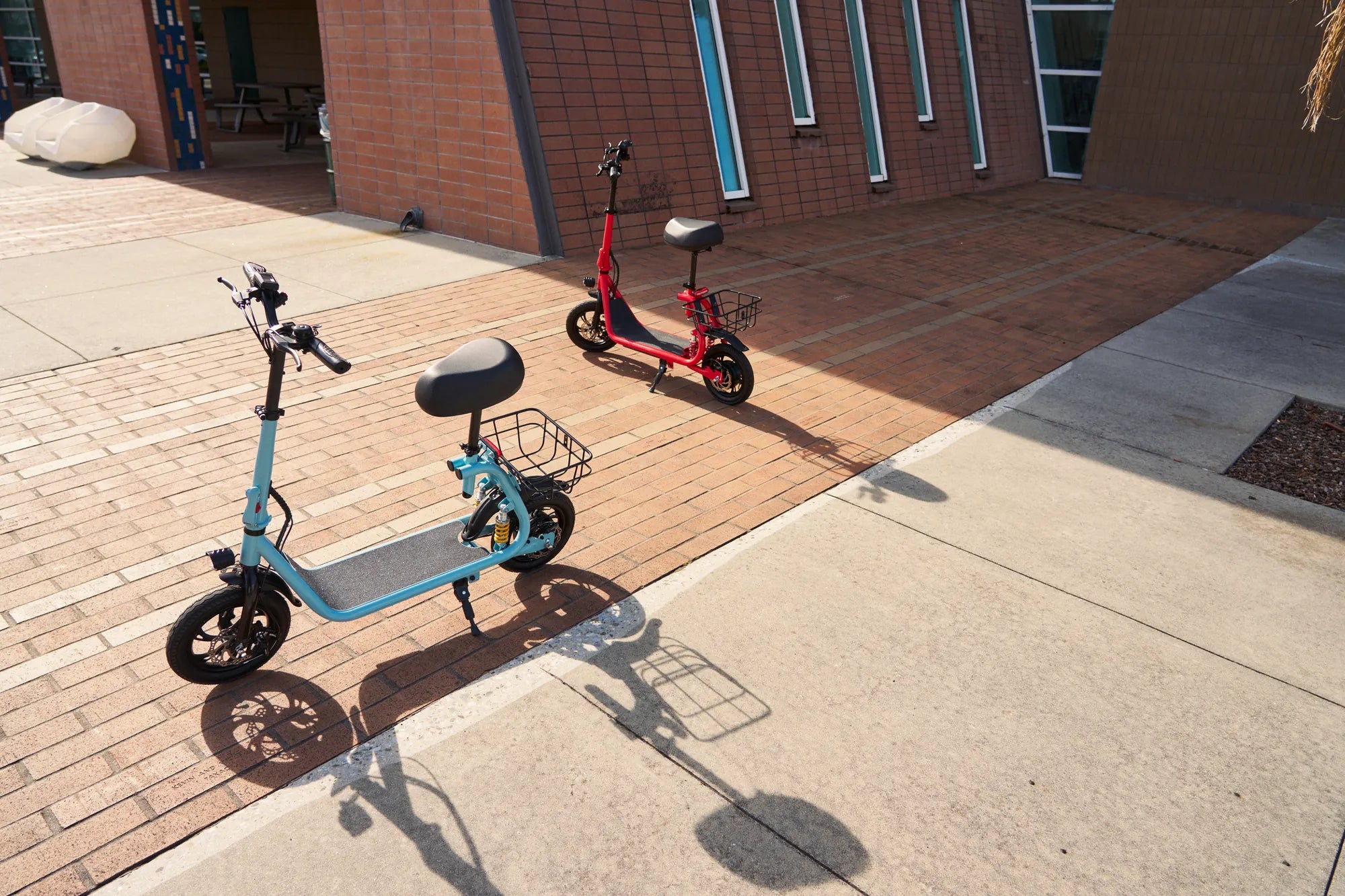
Few things are as frustrating as hopping on your ebike, turning it on, and realizing it won't move. You hear the motor hum, the display lights up, but the wheels refuse to budge. Before you panic or rush to a repair shop, there are several troubleshooting steps you can take to diagnose and potentially fix the issue yourself.
Common Causes of an Ebike That Won't Move
When your ebike turns on but doesn't move, the problem could stem from several key areas. Understanding these common causes will help you narrow down the issue.
1. Throttle or Pedal Assist System Malfunction
The throttle or pedal assist system (PAS) is what signals the motor to engage. If either component fails, your ebike may power on but not respond when you try to ride.
- Check for loose or damaged wiring connections
- Test the throttle response by gently twisting it while stationary
- Ensure the pedal assist sensor is properly aligned and clean
2. Motor Connection Issues
A faulty connection between the motor and controller can prevent power from reaching the wheels, even when the system appears to be on.
Inspect the motor wiring harness for:
- Visible corrosion or damage
- Loose connectors
- Pinched or frayed wires
3. Controller Problems
The controller acts as the brain of your ebike, managing power distribution between components. A malfunctioning controller may allow the system to power on but not deliver movement commands.
Step-by-Step Troubleshooting Guide
Follow this systematic approach to identify why your ebike won't move.
Step 1: Perform a Basic System Check
- Ensure the battery is properly seated and fully charged
- Check all power connections
- Verify the display shows no error codes
Step 2: Test the Throttle and PAS Separately
If your ebike has both throttle and pedal assist, test each system individually to isolate the problem.
Step 3: Inspect the Brake Cut-off Sensors
Most ebikes have safety sensors that prevent motor engagement when brakes are applied. A stuck sensor could be telling your system to stay stationary.
Advanced Diagnostic Techniques
For more technical users, these methods can help pinpoint electrical issues.
Using a Multimeter to Test Components
A digital multimeter allows you to:
- Check voltage at key connection points
- Test continuity in wiring
- Verify sensor outputs
Checking for Error Codes
Many modern ebike displays will show specific error codes that can indicate the source of the problem. Consult your manual for code interpretations.
When to Seek Professional Help
While many ebike issues can be resolved at home, some situations require expert attention:
- Internal motor damage
- Controller replacement
- Complex wiring harness repairs
Don't let a stationary ebike ruin your ride. With this comprehensive guide, you're equipped to diagnose and potentially fix the issue yourself. Remember that regular maintenance and proper storage can prevent many of these problems from occurring in the first place. Get back to enjoying the freedom of electric biking by addressing these common issues head-on!
250cc Dirt Bike Weight: How It Impacts Performance and Handling
Dirt Bike Kits to Build for Adults: The Ultimate DIY Adventure