


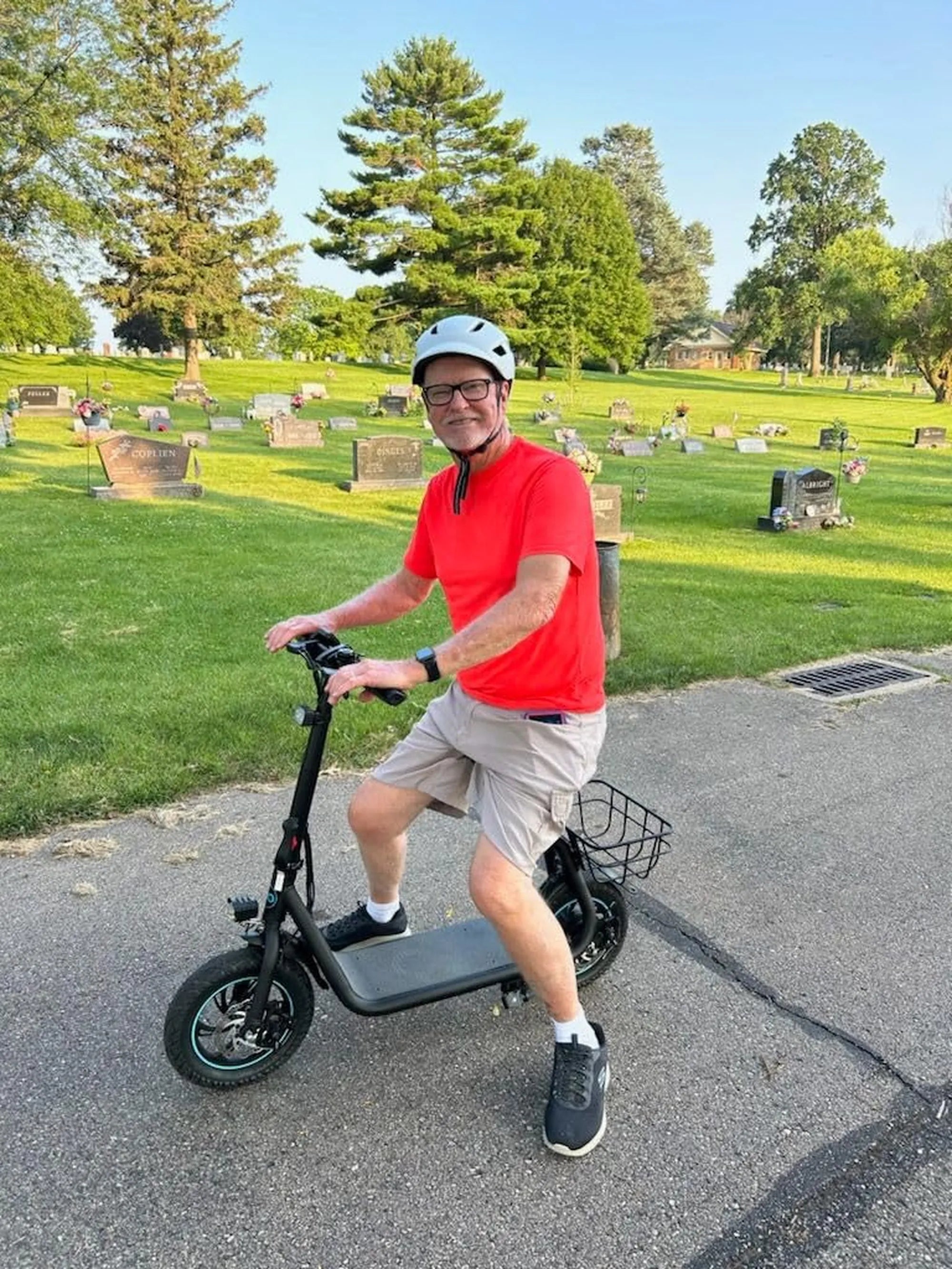
Introduction: Defining the Electric Two-Wheel Landscape
The streets are getting quieter and cleaner, thanks to the electric revolution on two wheels. For commuters and enthusiasts alike, the choice often narrows down to two compelling options: the agile ebike vs e motorcycle. This isn't just a choice between vehicles; it's a decision between fundamentally different forms of mobility, governed by distinct laws and designed for separate missions.
This guide will dissect the critical differences in legal classification, performance, total cost of ownership, and daily practicality. Whether you're navigating city bike lanes or planning highway commutes, understanding the core distinction between an electric-assist bicycle and a full-fledged electric motorcycle is the first step to your perfect ride.
The Core Distinction: Legal Classification & Riding Requirements
The most crucial difference between an ebike and an e motorcycle is not found in a spec sheet, but in the law. Legally, an e-bike is classified as a bicycle with electric assist, while an e-motorcycle is a motor vehicle. This legal framework dictates everything from where you can ride to the licenses you need.
In North America and Europe, e-bikes are typically governed by a three-class system. Class 1 e-bikes provide pedal-assist only (no throttle) and stop assisting at 20 mph. Class 2 e-bikes can be propelled by a throttle up to 20 mph. Class 3 e-bikes are pedal-assist only but can assist up to 28 mph. All classes are generally allowed on bike paths and lanes where traditional bicycles are permitted.
In stark contrast, an e motorcycle is treated identically to a gas-powered motorcycle. It requires a motorcycle license (M endorsement), vehicle registration, license plates, and mandatory insurance. Riding is restricted to public roads; they are prohibited on bicycle paths, trails, and often in dedicated bike lanes.
Why the Law is Your First Consideration
Overlooking the legal classification is the fastest route to fines, impounded vehicles, or legal liability. For the urban commuter, the ability to use protected bike lanes and multi-use paths is a massive advantage for an e-bike, reducing commute time and increasing safety. The e motorcycle rider is committed to sharing the road with cars and trucks.
Furthermore, helmet laws vary. A bicycle helmet may suffice for a Class 1 or 2 e-bike, while a Department of Transportation (DOT)-certified motorcycle helmet is legally required for an e motorcycle in most jurisdictions. Your first question shouldn't be "How fast does it go?" but "Where am I legally allowed to ride this?"
Performance & Power Showdown: Speed, Range, and Capability
When comparing ebike vs e motorcycle performance, we move from watts to kilowatts. A typical commuter e-bike features a motor ranging from 350W to 750W, providing ample power for urban hills and maintaining speeds of 20-28 mph. High-performance e-bikes may reach 1000W or more, but they often skirt the upper limits of the legal e-bike definition.
E motorcycles operate on a different scale. Their motors are measured in kilowatts (kW), with even modest models starting around 3 kW (equivalent to ~4 hp) and high-performance models exceeding 50 kW. Top speeds for e motorcycles commonly range from 45 mph for "electric mopeds" to well over 100 mph for models like the Zero SR/F.
Range is highly variable for both, dependent on battery size, rider weight, terrain, and speed. A quality e-bike with a 500Wh battery may offer 25-50 miles of real-world range. E motorcycles, with much larger battery packs (often 5-15 kWh), can deliver 50-150 miles of city range, though highway speeds drastically reduce this figure.
The Pedal Factor: Exercise vs. Pure Throttle
The riding experience diverges fundamentally here. An e-bike requires pedaling. The motor provides assistance, making hills easier and maintaining speed less strenuous. This offers a tangible health benefit and allows riders to extend range by using lower assist levels. It's assisted cycling.
An e motorcycle is operated purely by a throttle, twist-and-go, with no pedaling required. It delivers the immediate, effortless acceleration and familiar controls of a traditional motorcycle. The experience is about pure, unassisted propulsion, offering a different kind of thrill and convenience for those who want a true motor vehicle experience.
Practical Considerations: Cost, Convenience, and Daily Use
The total cost of ownership reveals another significant gap. A reliable, feature-rich commuter e-bike typically costs between $1,500 and $3,500. Ongoing costs are minimal: occasional charging (pennies per charge), basic maintenance (tires, brakes), and no insurance or registration fees in most areas.
An e motorcycle's upfront cost is substantially higher, generally starting around $8,000 and climbing quickly past $15,000 for premium models. You must then add the recurring costs of motorcycle insurance, annual vehicle registration, and potentially higher maintenance costs for components like tires and brakes designed for higher speeds and weights.
Daily convenience also differs. E-bikes are relatively lightweight (40-70 lbs), allowing many riders to carry them upstairs for secure apartment storage or onto a bus bike rack. E motorcycles are heavy (300-500 lbs), requiring dedicated parking and, for home charging, often a 240V outlet installation for Level 2 charging.
The Gyroor Advantage in the E-Bike Segment
For riders whose needs align with an e-bike, choosing a brand with proven reliability and safety is paramount. Gyroor, a leading electric scooter and e-bike brand trusted by over 100,000 riders across North America and Europe, builds its models for dependable daily use.
Every Gyroor e-bike is powered by a UL-certified battery pack, tested for 500+ charge cycles, ensuring critical safety and long-term performance. Their IPX5 water-resistant design provides peace of mind when commuting in unpredictable urban weather. Backed by a reliable 1-year warranty and US-based customer support, Gyroor e-bikes are engineered to be practical, safe, and trustworthy mobility tools for the daily commuter.
Ideal Rider Profiles: Which Machine Matches Your Mission?
The Urban Commuter & Errand-Runner: This rider travels 5-15 miles each way in a city or suburb. They value the ability to use bike lanes, bypass traffic, and avoid parking hassles. They may want light exercise and need to carry their vehicle indoors for security. The e-bike, particularly a Class 3 model for faster commuters, is their perfect match.
The Recreational Trail & Path Explorer: This rider enjoys greenways, rail-trails, and park paths where motor vehicles are prohibited. A Class 1 e-bike (pedal-assist only, 20 mph limit) is often the only electric vehicle allowed on these multi-use trails, opening up vast recreational opportunities with a helpful boost.
The Highway Commuter & Power Enthusiast: This rider has a longer commute (20+ miles) that requires highway speeds or simply desires the power and thrill of a motorcycle. They have a motorcycle license and are prepared for the costs and responsibilities of owning a motor vehicle. The e motorcycle is their only viable electric two-wheel option.
The Car Replacement Seeker: For someone looking to replace most car trips, the choice depends on trip profile. For mixed-use trips under 15 miles with path access, an e-bike with cargo capacity can excel. For longer, faster, or all-weather trips requiring road travel, an e motorcycle with storage becomes a compelling alternative.
Making Your Choice: A Side-by-Side Comparison Checklist
Use this at-a-glance table to directly compare the ebike vs e motorcycle across all key decision factors.
| Feature | E-Bike | E Motorcycle |
|---|---|---|
| Legal Classification | Bicycle (Classes 1,2,3) | Motor Vehicle |
| License Required | None (typically) | Motorcycle License (M endorsement) |
| Registration & Insurance | Not required | Required |
| Where to Ride | Bike Lanes, Paths, Roads | Public Roads Only |
| Typical Top Speed | 20 mph (Class 1/2) - 28 mph (Class 3) | 45 mph - 100+ mph |
| Motor Power | 350W - 1000W | 3 kW - 50+ kW |
| Operation | Pedal-Assist and/or Throttle | Throttle Only |
| Avg. Purchase Price | $1,500 - $4,000 | $8,000 - $20,000+ |
| Helmet Law | Bicycle Helmet (often) | DOT Motorcycle Helmet |
| Ideal Use Case | Urban Commuting, Errands, Recreation | Highway Commuting, Long-Distance, Performance Riding |
Frequently Asked Questions (FAQ)
Q: Can I modify my e-bike to go as fast as an e motorcycle?
A> Legally, no. Modifying an e-bike's motor or controller to exceed local speed limits (usually 28 mph) typically reclassifies it as a motor vehicle. You would then need a license, registration, and insurance, and it would be illegal to ride on bike paths. It also voids warranties and can compromise safety systems.
Q: Do I need a license for a fast Class 3 e-bike (28 mph)?
A> In most U.S. states following the three-class model, no motorcycle license is required for a Class 3 e-bike. However, some states may impose age restrictions (e.g., rider must be 16+) or require a standard driver's license. Always check your specific state and local laws.
Q: Which is better for steep hills: an e-bike or an e motorcycle?
A> An e motorcycle will almost always have more torque and power to climb steep hills effortlessly at speed. However, a mid-drive e-bike with a high-torque motor and proper gearing is exceptionally capable on hills, as it leverages the bicycle's gears. For most urban grades, a quality e-bike is more than sufficient.
Q: Are e motorcycles allowed in bicycle lanes?
A> Almost universally, no. E motorcycles are classified as motor vehicles and are prohibited from bicycle lanes and multi-use paths. Their place is on the road, following all traffic laws applicable to cars and motorcycles.
Q: What's the real cost difference over 3 years between an e-bike and an e motorcycle?
A> Beyond purchase price, consider: E-bike: ~$200 in maintenance/charging. E motorcycle: $1,500-$3,000 for insurance, $200-$500 in registration/plates, $500-$1,000 in maintenance/charging, plus potential financing costs. The e motorcycle's 3-year cost can be 5-10 times higher than the e-bike's.
Conclusion: Power, Practicality, and the Perfect Fit
The ebike vs e motorcycle debate resolves not with a winner, but with a clear understanding of purpose. The e-bike stands as a revolutionary tool for efficient, accessible, and integrated urban mobility, leveraging bicycle infrastructure to offer a healthy, low-cost, and convenient alternative for daily trips. The e motorcycle represents the evolution of the motorcycle—a powerful, zero-emission vehicle for those who need highway speeds, longer range, and the pure thrill of the ride, accepting the associated costs and regulations.
Your decision should flow from a honest assessment of your primary use case, local laws, budget, and riding aspirations. For millions, the e-bike offers the most practical and transformative entry into electric two-wheel travel. Explore the engineering and reliability that has made Gyroor a trusted choice for over 100,000 riders. Browse the full Gyroor collection, featuring UL-certified e-bikes and scooters designed for real-world commuting, at gyroorboard.com to find your ideal electric ride.
Full Suspension Commuter Ebike: The Ultimate Urban Mobility Solution
Portable Ebike Battery Charger: The Ultimate Guide to Mobile Power