


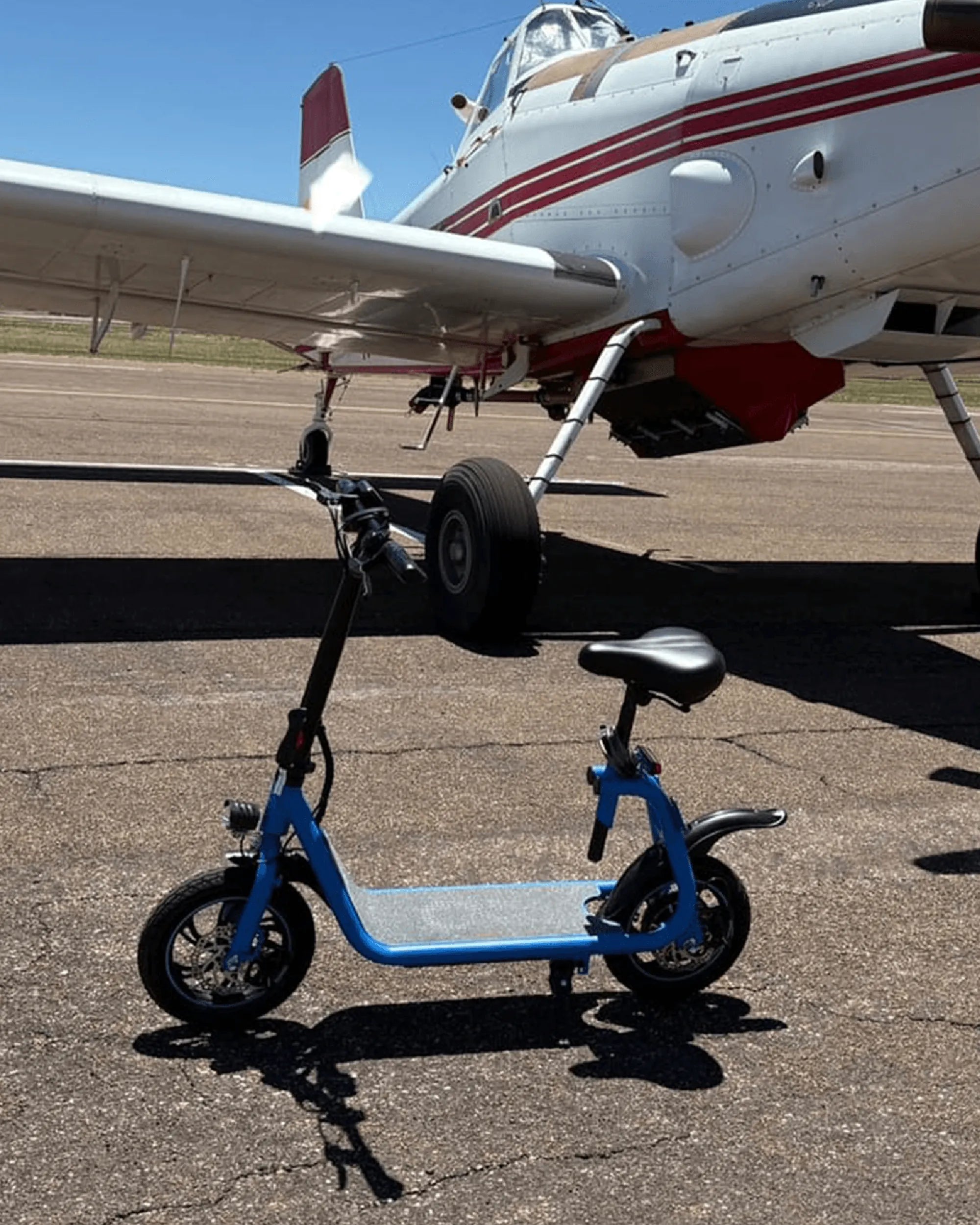
Electric mobility is revolutionizing urban transportation, and the debate between ebikes and e scooters is hotter than ever. Both offer eco-friendly alternatives to traditional commuting, but which one is the right fit for you? Let’s dive into the details to help you make an informed decision.
What is an Ebike?
An ebike, or electric bicycle, combines pedal power with an electric motor to assist your ride. It looks and feels like a traditional bike but offers a boost when you need it, making uphill climbs and long distances easier to tackle.
What is an E Scooter?
An e scooter is a compact, stand-up electric vehicle with a small deck, handlebars, and wheels. It’s designed for short urban commutes and is often foldable for easy storage and portability.
Key Differences Between Ebikes and E Scooters
1. Riding Experience
Ebikes provide a more traditional cycling experience with the added benefit of motor assistance. You can pedal as much or as little as you want, making them ideal for fitness enthusiasts or those who enjoy biking. E scooters, on the other hand, require no pedaling—just stand and ride, making them effortless but less physically engaging.
2. Speed and Range
Ebikes typically offer higher top speeds and longer ranges compared to e scooters. Many ebikes can reach speeds of 20-28 mph and travel 40-80 miles on a single charge. E scooters usually max out at 15-20 mph and cover 15-30 miles, depending on the model and battery capacity.
3. Portability and Storage
E scooters win in the portability department. Most models are lightweight and foldable, making them easy to carry onto public transport or store in small apartments. Ebikes, while some are foldable, are generally bulkier and heavier, requiring more storage space.
4. Terrain and Comfort
Ebikes handle varied terrain better, thanks to their larger wheels and suspension systems. They’re more comfortable for longer rides and can tackle rough roads or trails. E scooters, with their smaller wheels, are best suited for smooth, paved surfaces and shorter trips.
5. Cost and Maintenance
Ebikes tend to be more expensive upfront, with prices ranging from $1,000 to $5,000 or more. They also require regular maintenance like traditional bikes, such as chain lubrication and tire checks. E scooters are more affordable, typically costing between $300 and $1,500, and require less maintenance, though their smaller tires may need more frequent replacements.
Which One Should You Choose?
Choose an Ebike If:
- You want a versatile ride for commuting, exercise, and leisure.
- You need to cover longer distances or tackle hilly terrain.
- You prefer a more traditional biking experience with motor assistance.
Choose an E Scooter If:
- You prioritize portability and ease of storage.
- Your daily commute is short and on smooth, paved roads.
- You want a budget-friendly, low-maintenance option.
Safety Considerations
Both ebikes and e scooters come with safety risks, so it’s important to follow local regulations and wear protective gear like helmets. Ebikes, due to their higher speeds, may require more caution, while e scooters’ smaller wheels make them more prone to instability on uneven surfaces.
Environmental Impact
Both options are greener than cars, but ebikes have a slight edge if you pedal often, as they use less battery power. E scooters are still eco-friendly but rely entirely on their electric motors.
Whether you opt for an ebike or an e scooter, you’re making a smart, sustainable choice for your commute. The best option depends on your lifestyle, budget, and riding preferences. Ready to electrify your ride? The choice is yours!
60V E Scooter: The Ultimate Guide to Power, Performance, and Efficiency
E Scooter Battery Repair: Essential Tips to Extend Battery Life and Save Money