

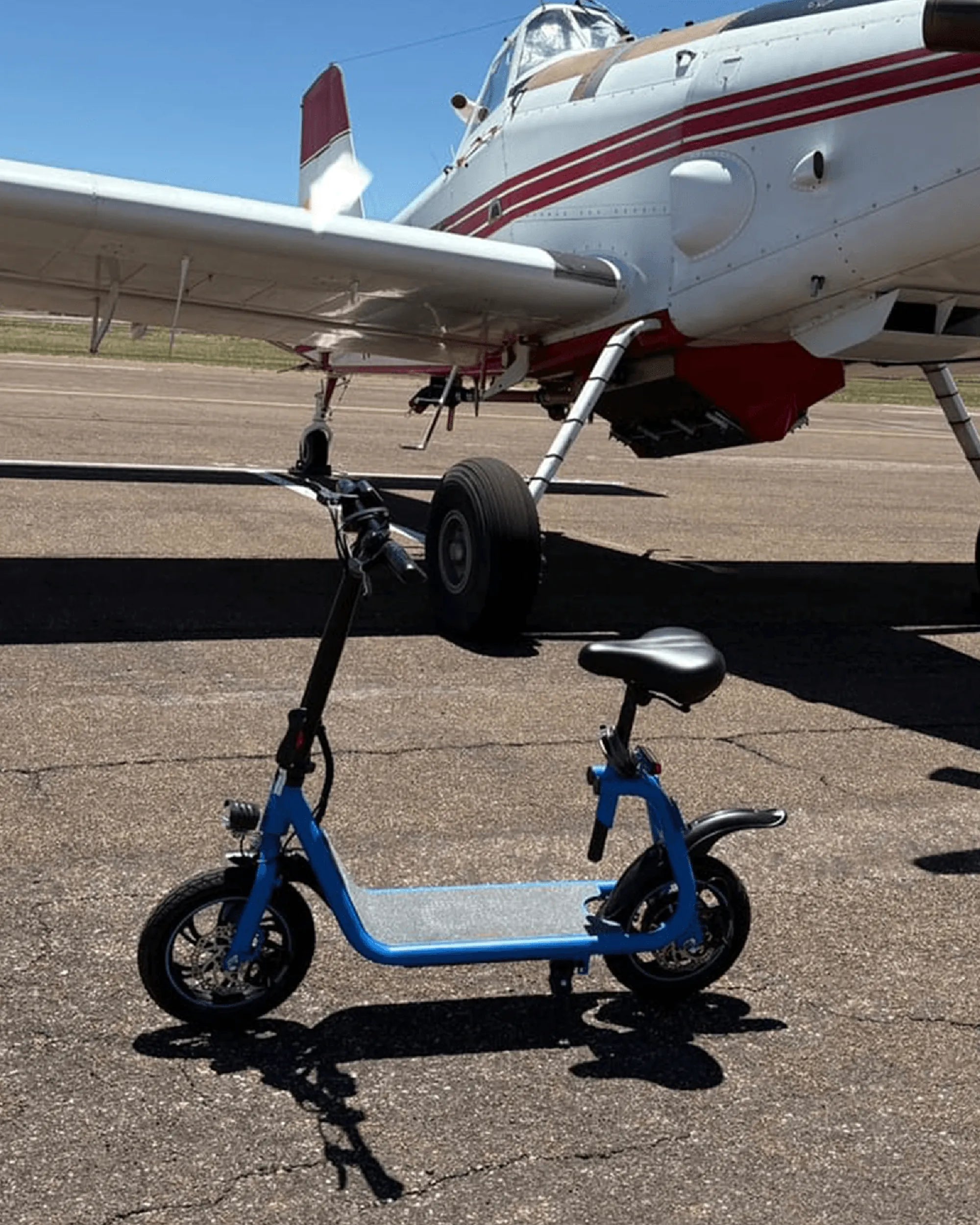
Electric mobility is revolutionizing transportation, offering eco-friendly alternatives to traditional gas-powered vehicles. Among the most popular options are ebikes and electric motorcycles, each catering to different needs and preferences. Whether you're a daily commuter, an adventure seeker, or simply looking for a cost-effective way to get around, understanding the differences between these two electric rides is crucial.
What is an Ebike?
An ebike, or electric bicycle, is a pedal-assisted bicycle equipped with an electric motor. Unlike traditional bikes, ebikes provide varying levels of assistance, making it easier to tackle hills and long distances without excessive exertion. Most ebikes have a top speed of around 20-28 mph (32-45 km/h) and are designed for urban commuting, leisure rides, or light off-road trails.
Key Features of Ebikes
- Pedal Assistance: Requires pedaling to engage the motor.
- Lightweight: Typically weighs between 40-70 lbs (18-32 kg).
- Limited Speed: Usually capped at 20-28 mph depending on local regulations.
- Battery Range: Offers 20-80 miles (32-130 km) per charge.
- No License Required: In most regions, ebikes are classified similarly to traditional bicycles.
What is an Electric Motorcycle?
An electric motorcycle is a fully motorized two-wheeler that operates similarly to a traditional motorcycle but runs on electricity. Unlike ebikes, electric motorcycles do not require pedaling and are built for higher speeds and longer ranges. They often feature advanced battery technology, powerful motors, and motorcycle-style frames, making them suitable for highway commuting and long-distance travel.
Key Features of Electric Motorcycles
- Throttle-Based Power: Operates without pedaling, using a throttle or twist-grip.
- Higher Speed: Can reach speeds of 60 mph (97 km/h) or more.
- Greater Range: Typically offers 70-200 miles (113-322 km) per charge.
- Heavier Build: Weighs between 200-600 lbs (91-272 kg).
- License and Registration Required: Classified as motor vehicles in most jurisdictions.
Ebike vs Electric Motorcycle: Key Differences
1. Speed and Performance
Ebikes are designed for moderate speeds, making them ideal for city commuting and recreational use. Electric motorcycles, on the other hand, offer higher speeds and acceleration, suitable for highway riding and performance enthusiasts.
2. Range and Battery Life
While ebikes provide sufficient range for daily commutes, electric motorcycles excel in long-distance travel with larger battery capacities and faster charging options.
3. Legal Requirements
Ebikes generally do not require a license, registration, or insurance, whereas electric motorcycles are subject to the same regulations as traditional motorcycles.
4. Cost and Affordability
Ebikes are more budget-friendly, with prices ranging from a few hundred to a few thousand dollars. Electric motorcycles, due to their advanced technology, often cost significantly more.
5. Use Cases
Ebikes are perfect for short commutes, fitness, and casual riding, while electric motorcycles cater to those seeking a high-performance, long-range alternative to gas-powered bikes.
Which One Should You Choose?
The decision between an ebike and an electric motorcycle depends on your lifestyle, budget, and intended use. If you need a cost-effective, low-maintenance option for city travel, an ebike is a great choice. For those who prioritize speed, range, and a motorcycle-like experience, an electric motorcycle may be the better fit.
Ready to make the switch to electric mobility? Whether you opt for an ebike or an electric motorcycle, both offer sustainable, efficient, and exciting ways to navigate the roads. The choice is yours—pick the ride that aligns with your needs and hit the road with confidence!
How to Make My Ebike Go Faster: Top Tips and Tricks
What PSI for Dirt Bike Tires: The Ultimate Guide to Optimal Pressure