

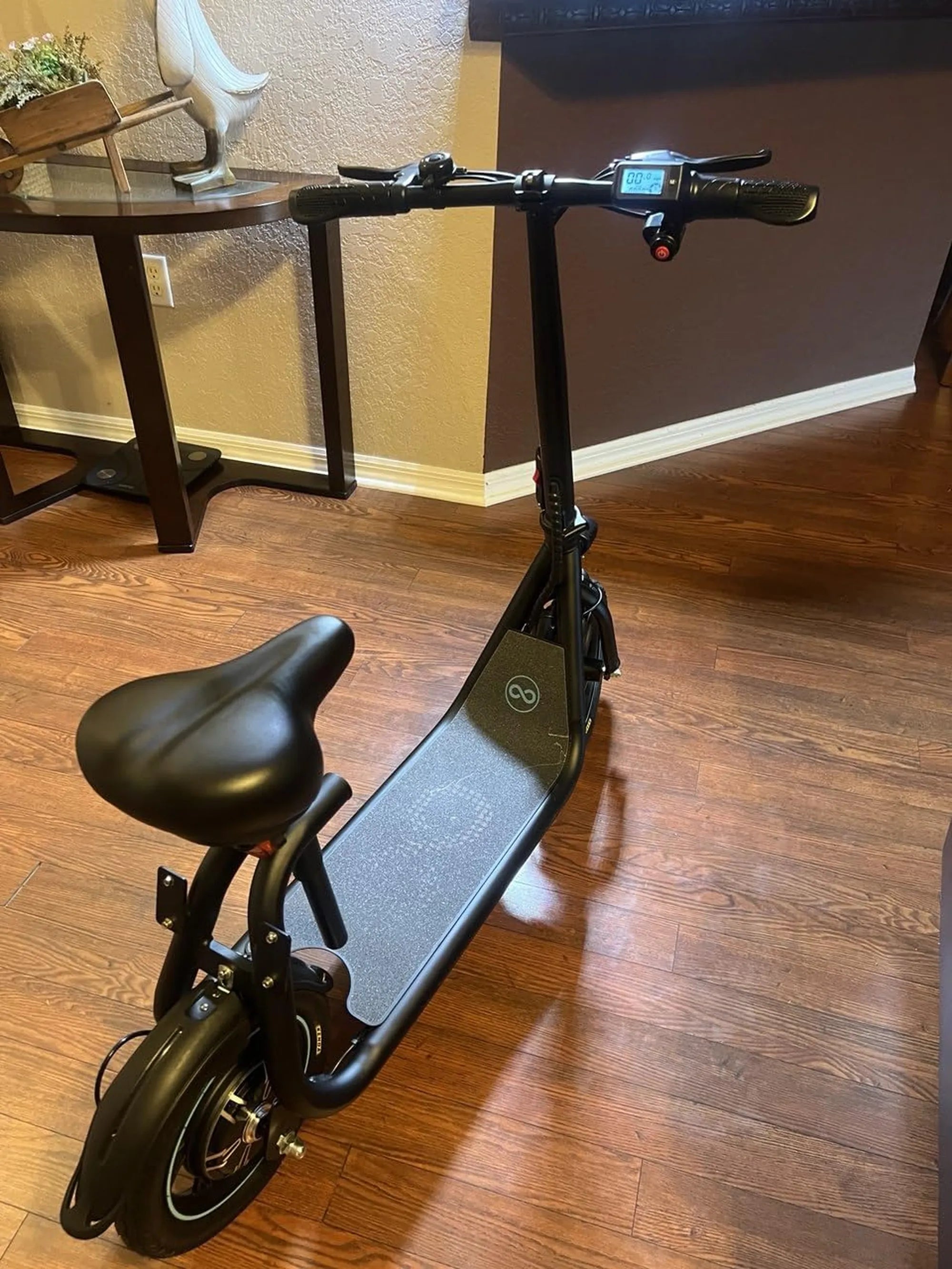
Ever wondered why your ebike feels sluggish or why the battery drains faster than expected? The answer might lie in the ebike weight limit—a critical but often overlooked factor. Whether you're a daily commuter or a weekend adventurer, knowing your ebike's weight capacity can make all the difference in your riding experience. Let's dive into why this matters and how to ride smarter.
Why Ebike Weight Limits Matter
Ebike weight limits aren't just arbitrary numbers; they're carefully calculated to ensure safety and optimal performance. Exceeding these limits can strain the motor, battery, and frame, leading to premature wear or even accidents. Manufacturers set these limits based on factors like frame strength, motor power, and braking efficiency. Ignoring them could void your warranty or put you at risk.
How Weight Affects Ebike Performance
Carrying excess weight impacts every aspect of your ebike. The motor works harder, reducing battery life and slowing acceleration. Braking distances increase, and handling becomes less responsive. Even the tires and suspension take a hit, wearing out faster under heavy loads. If you're consistently pushing the limit, you might notice these issues sooner than expected.
Calculating Your Total Load
Your ebike's weight limit includes everything: the rider, cargo, and accessories. Start by checking the manufacturer's specifications, then add your body weight, backpack, groceries, or any other items you carry regularly. Don't forget to account for water bottles, locks, or child seats. If the total approaches the limit, consider redistributing weight or upgrading to a sturdier model.
Tips for Staying Within Safe Limits
To maximize your ebike's lifespan and safety, follow these guidelines:
- Distribute weight evenly—avoid overloading the rear rack or handlebars.
- Invest in lightweight accessories like panniers or carbon fiber components.
- Regularly check tire pressure and suspension settings for heavy loads.
- If you frequently carry heavy items, opt for an ebike designed for cargo or higher weight capacities.
What Happens If You Exceed the Limit?
Occasionally going slightly over the limit might not cause immediate damage, but consistent overloading can lead to:
- Motor overheating and reduced battery range.
- Frame stress cracks or weld failures.
- Increased risk of brake failure or tire blowouts.
If your needs exceed standard limits, explore heavy-duty or commercial-grade ebikes built for tougher demands.
Choosing the Right Ebike for Your Weight
Not all ebikes are created equal. If you're on the heavier side or plan to carry loads, look for:
- Robust frames made from aluminum or steel.
- High-torque motors (500W or more) for better hill-climbing ability.
- Reinforced wheels and puncture-resistant tires.
Test-ride different models to find one that feels stable and powerful under your weight.
Your ebike's weight limit isn't just a suggestion—it's a key factor in enjoying a smooth, safe, and long-lasting ride. By understanding and respecting these boundaries, you'll get the most out of every journey. Ready to hit the road with confidence? Keep these tips in mind, and your ebike will thank you for years to come.
Electric Cargo Tricycle for Adults: The Ultimate Urban Transport Solution
Kids E Mountain Bike: The Ultimate Guide to Choosing the Perfect Ride