


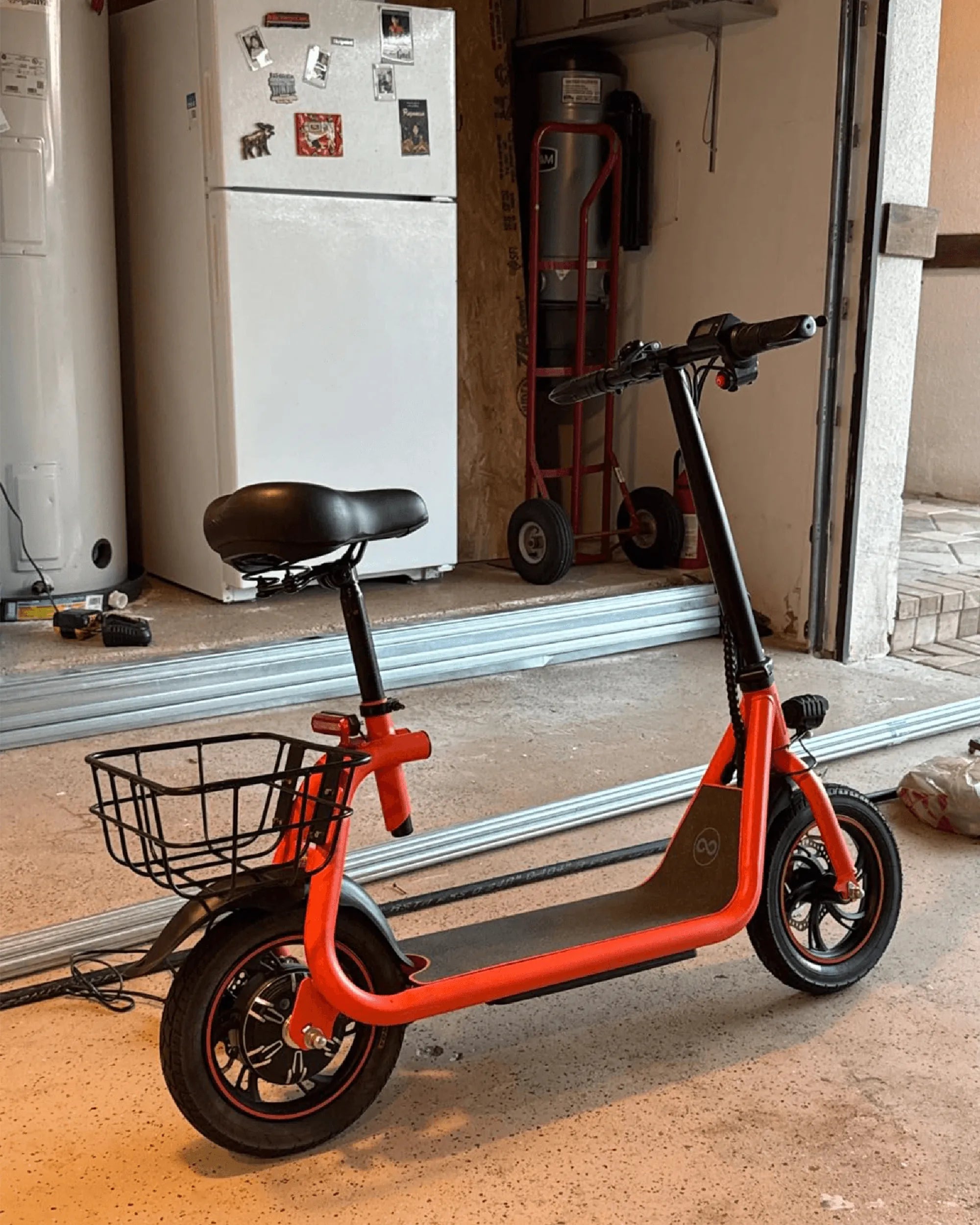
Introduction: Why the Electric E Bike is Redefining Personal Mobility
An electric e bike is not just a bicycle; it's a transformative tool for modern living. By seamlessly blending human pedal power with a quiet electric motor, it extends your range, flattens hills, and redefines what's possible for daily commutes and weekend adventures. This guide will provide a detailed examination of how electric e bikes work, what to look for when buying one, and how they compare to other forms of transport. You'll learn to make an informed decision that prioritizes performance, safety, and long-term reliability.
Understanding the Core Technology: How an Electric E Bike Works
At its core, an electric e bike integrates several key components to create a natural, assisted riding experience. The system is governed by a controller, which acts as the brain, interpreting input from the rider and sensors. When you pedal, a sensor detects your motion and signals the controller to engage the motor, providing a boost that feels intuitive and effortless.
The motor draws power from the battery pack, and the level of assistance is typically adjustable via a handlebar-mounted display. This synergy allows riders to travel farther and faster with less physical strain, making cycling accessible to a wider range of fitness levels and ages. The quality of these components directly dictates the ride quality, safety, and longevity of the electric e bike.
The Heart of the Ride: Motor Types and Performance
Electric e bikes primarily use two types of motors: hub motors and mid-drive motors. A hub motor is located within the center of the front or rear wheel. It's generally more affordable, requires less maintenance, and provides direct power to the wheel. However, it can affect the bike's weight distribution and is less efficient on steep, sustained climbs.
A mid-drive motor is positioned at the bike's crank and bottom bracket. It leverages the bicycle's existing gears, making it more efficient, especially on hilly terrain. This design provides superior torque, better weight distribution (centering mass low and in the middle), and a more natural riding feel. For demanding rides like mountain biking or cargo hauling, a mid-drive system is often the preferred choice.
Power and Safety: Decoding E-Bike Batteries
The battery is the fuel tank of your electric e bike. Its capacity, measured in Watt-hours (Wh), determines your potential range. Voltage (V) and Amp-hours (Ah) multiply to give you this figure. For example, a 48V 10Ah battery offers 480Wh of energy.
Safety is paramount. High-quality electric e bikes use lithium-ion battery packs with robust Battery Management Systems (BMS). The BMS protects against overcharging, overheating, and deep discharge. It is critical to choose a brand that uses UL-certified batteries, like Gyroor, as this independent testing verifies the battery meets stringent safety standards, significantly reducing fire risk—a non-negotiable consideration for home charging.
Key Considerations Before You Buy: A Practical Buyer's Guide
Selecting the right electric e bike requires a clear assessment of your needs. Start by defining your primary use case: is it for a daily commute, recreational trail riding, or running errands? Your answer will guide every other decision, from motor power to accessory compatibility.
Next, calculate your necessary range. Manufacturers provide estimates, but real-world range is affected by rider weight, terrain, wind, and assist level. A good rule is to choose a battery with at least 20% more capacity than your longest regular trip. Also, research local laws governing electric e bikes, which are typically classified into three categories that regulate top speed and whether they have a throttle.
Matching the E-Bike to Your Lifestyle: Commuter vs. Off-Road vs. Cargo
For urban commuters, an ideal electric e bike features integrated lights for visibility, full fenders to guard against spray, a rear rack for bags, and a comfortable, upright riding position. Commuter models often prioritize efficiency and have motors suited for stop-and-go traffic.
Off-road or mountain electric e bikes require front suspension (or full suspension), wider, knobby tires for traction, and a powerful motor—often mid-drive—to tackle roots and steep inclines. Durability and frame geometry designed for control are key. Cargo electric e bikes are built with extended frames or large front/rear platforms, high-torque motors to move heavy loads, and robust braking systems. They are the workhorses of the e-bike world.
The Importance of Build Quality and Warranty
An electric e bike is a significant investment. Durable construction with quality materials like aluminum alloy frames ensures it withstands daily use. Look for water-resistant ratings; an IPX5 rating, like those on Gyroor models, means the bike can withstand water jets from any direction, making it reliable in rain.
A comprehensive warranty is your safety net. It should cover the frame, motor, and battery for a substantial period. A brand like Gyroor offers a 1-year warranty with accessible, US-based customer support, which protects your purchase and provides peace of mind, signaling confidence in their product's longevity.
The Gyroor Advantage: Engineering Trust into Every Ride
With over 100,000 riders across North America and Europe, Gyroor has built a reputation on safety and reliability. This trust stems from foundational engineering choices. Every Gyroor electric e bike is powered by a UL-certified battery pack, rigorously tested for over 500 charge cycles, ensuring safety where it matters most: in your home or garage.
Furthermore, Gyroor designs its electric e bikes with IPX5 water resistance, allowing you to ride confidently in various weather conditions without worrying about component damage. Combined with a dependable 1-year warranty and a 4.5/5 average customer rating, these features translate into a riding experience defined by confidence and freedom, not concern.
Data-Driven Comparison: Electric E-Bikes vs. Alternative Transport
To understand the value proposition of an electric e bike, a factual comparison with other modes of transport is essential. The following table breaks down key metrics.
| Transport Mode | Avg. Cost per Mile | Parking & Convenience | Environmental Impact | Health Benefit |
|---|---|---|---|---|
| Car (Sedan) | $0.60 - $0.70 | Difficult/expensive in cities | High CO2 emissions | Minimal (sedentary) |
| Public Transit | $0.20 - $0.30 | Fixed schedules, routes | Moderate (shared) | Low (walking to stops) |
| Traditional Bicycle | Negligible | Easy, often free | Zero direct emissions | Very High |
| Electric E Bike | $0.04 - $0.08 | Easy, often free | Very Low (electricity) | High (pedal-assisted) |
As the data shows, the electric e bike offers a compelling mix of low operational cost, unparalleled convenience for short-to-medium trips, a minimal carbon footprint, and meaningful physical activity. It solves the "last-mile" problem for commuters and replaces many car trips entirely.
Maximizing Your Investment: Safety, Maintenance, and Care
Owning an electric e bike comes with responsibilities for safety and upkeep. Always wear a helmet. Use front and rear lights, even during the day, to increase visibility. Familiarize yourself with the local traffic laws for e-bikes, as they can differ from those for traditional bicycles.
Regular maintenance is simpler than a car but crucial. Keep tires properly inflated, check brake pads for wear, and ensure all bolts are tight. For the electrical system, avoid leaving the battery fully depleted for long periods and store it in a cool, dry place. Periodically clean your electric e bike with a damp cloth, avoiding direct high-pressure sprays on electrical components despite water-resistant ratings.
Conclusion: Your Journey to Effortless Exploration Starts Here
The electric e bike represents a smart, sustainable shift in how we move. It empowers you to reclaim time, improve health, reduce expenses, and connect with your community in a new way. By prioritizing safety features like UL-certified batteries, durable construction with proper weatherproofing, and a strong warranty, you invest in years of reliable service. The journey toward a more enjoyable and efficient commute or adventure begins with choosing the right partner for the ride.
Ready to experience the freedom of a high-quality electric e bike? Explore a range of models engineered for safety, performance, and reliability. Browse the full Gyroor collection at gyroorboard.com to find the perfect ride for your lifestyle.
FAQ: Your Electric E Bike Questions, Answered
Q: Do I need a license, registration, or insurance to ride an electric e bike?
A: In most regions of the US and Europe, Class 1 and 2 electric e bikes (max 20 mph with motor assist) are treated like traditional bicycles and require no license, registration, or insurance. Laws vary, so always check your local regulations.
Q: How far can I go on a single charge?
A> Range varies widely based on battery capacity, rider weight, terrain, and assist level. A typical electric e bike with a 500Wh battery may offer 20-50 miles of range. Using a lower assist level on flat ground maximizes distance.
Q: Can I ride my electric e bike in the rain?
A> Quality electric e bikes like those from Gyroor are built with water-resistant components (e.g., IPX5 rating). This means they can handle rain and wet roads. However, you should avoid submerging the bike or charging it when wet, and dry it off after a ride.
Q: How much maintenance does an electric e bike require?
A> It requires similar mechanical maintenance to a regular bike: tire pressure, chain lubrication, and brake adjustments. The electrical system (battery, motor, display) generally needs little upkeep beyond proper charging and storage habits. A yearly professional tune-up is recommended.
Q: What is the difference between pedal-assist and a throttle?
A> Pedal-assist (PAS) provides motor power only when you are pedaling. A throttle, like on a scooter, can propel the bike without pedaling. Many electric e bikes offer both. Throttle-only operation often defines a Class 2 e-bike, which may be subject to different local rules.
How Long to Charge a 48V E-Bike Battery: The Complete 2024 Guide
How Much Does an E-Bike Cost? The 2024 Price & Value Guide