

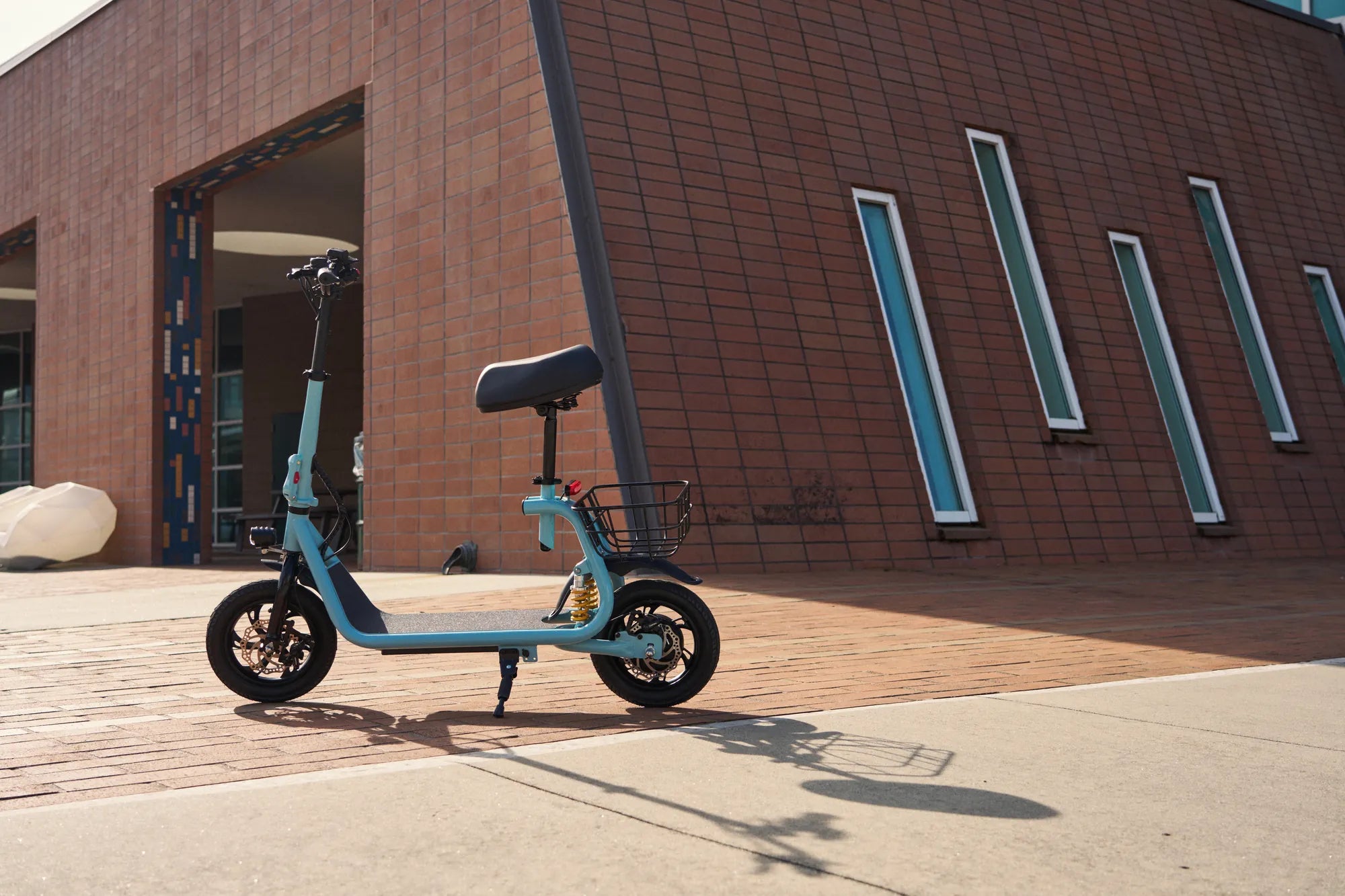
Are you torn between choosing an electric assist bike and an electric bike? Both offer unique benefits, but understanding their differences is crucial to making the right decision. Whether you're a daily commuter, a fitness enthusiast, or just looking for a fun way to get around, this guide will help you weigh the pros and cons of each option.
What is an Electric Assist Bike?
An electric assist bike, also known as a pedal-assist bike, requires the rider to pedal to activate the motor. The motor provides additional power to make pedaling easier, especially on hills or long distances. These bikes are designed to enhance your natural pedaling effort rather than replace it entirely.
Key Features of Electric Assist Bikes
- Motor only engages when you pedal
- Battery life tends to last longer due to shared effort
- Lightweight compared to full electric bikes
- Great for fitness and longer rides
What is an Electric Bike?
An electric bike, often referred to as an e-bike, comes with a throttle that allows you to ride without pedaling. The motor can propel the bike on its own, making it ideal for those who want minimal physical exertion or need assistance due to mobility issues.
Key Features of Electric Bikes
- Throttle-controlled motor for effortless riding
- Higher top speeds compared to pedal-assist models
- Heavier due to larger batteries and motors
- Perfect for short commutes or leisurely rides
Electric Assist Bike vs Electric Bike: Key Differences
1. Riding Experience
Electric assist bikes provide a more natural riding experience since they require pedaling. The motor simply amplifies your effort, making it feel like you have supercharged legs. On the other hand, electric bikes with a throttle allow you to cruise without pedaling, which can be relaxing but may feel less engaging.
2. Battery Life and Range
Since pedal-assist bikes rely on both human and motor power, their batteries tend to last longer. Electric bikes, however, drain the battery faster when used in throttle-only mode. If you plan on long rides, an electric assist bike might be the better choice.
3. Weight and Portability
Electric assist bikes are generally lighter because they don’t require as large a battery or motor. This makes them easier to carry or store. Full electric bikes are bulkier, which can be a drawback if you need to lift or transport them frequently.
4. Legal Regulations
In many regions, electric assist bikes are classified similarly to traditional bicycles, meaning they don’t require a license or insurance. Electric bikes with throttles may fall under stricter regulations, especially if they exceed certain speed limits.
5. Cost Considerations
Electric assist bikes are often more affordable than full electric bikes due to their simpler design. However, high-end models with advanced features can still be pricey. Electric bikes, with their larger batteries and motors, usually come at a premium.
Which One Should You Choose?
Your choice between an electric assist bike and an electric bike depends on your lifestyle and preferences. If you enjoy cycling but want help on tough terrain, a pedal-assist bike is ideal. If you prefer a no-sweat commute or have physical limitations, a throttle-controlled electric bike might be the better option.
Still unsure? Test ride both types to see which one feels right for you. The perfect bike is out there—whether it’s an electric assist bike that keeps you active or an electric bike that lets you glide effortlessly through your day.
Best Electric Scooter in West Bengal: Top Picks for Eco-Friendly Commuting
Which Electric Scooter Has Detachable Battery: Top Picks and Buying Guide