


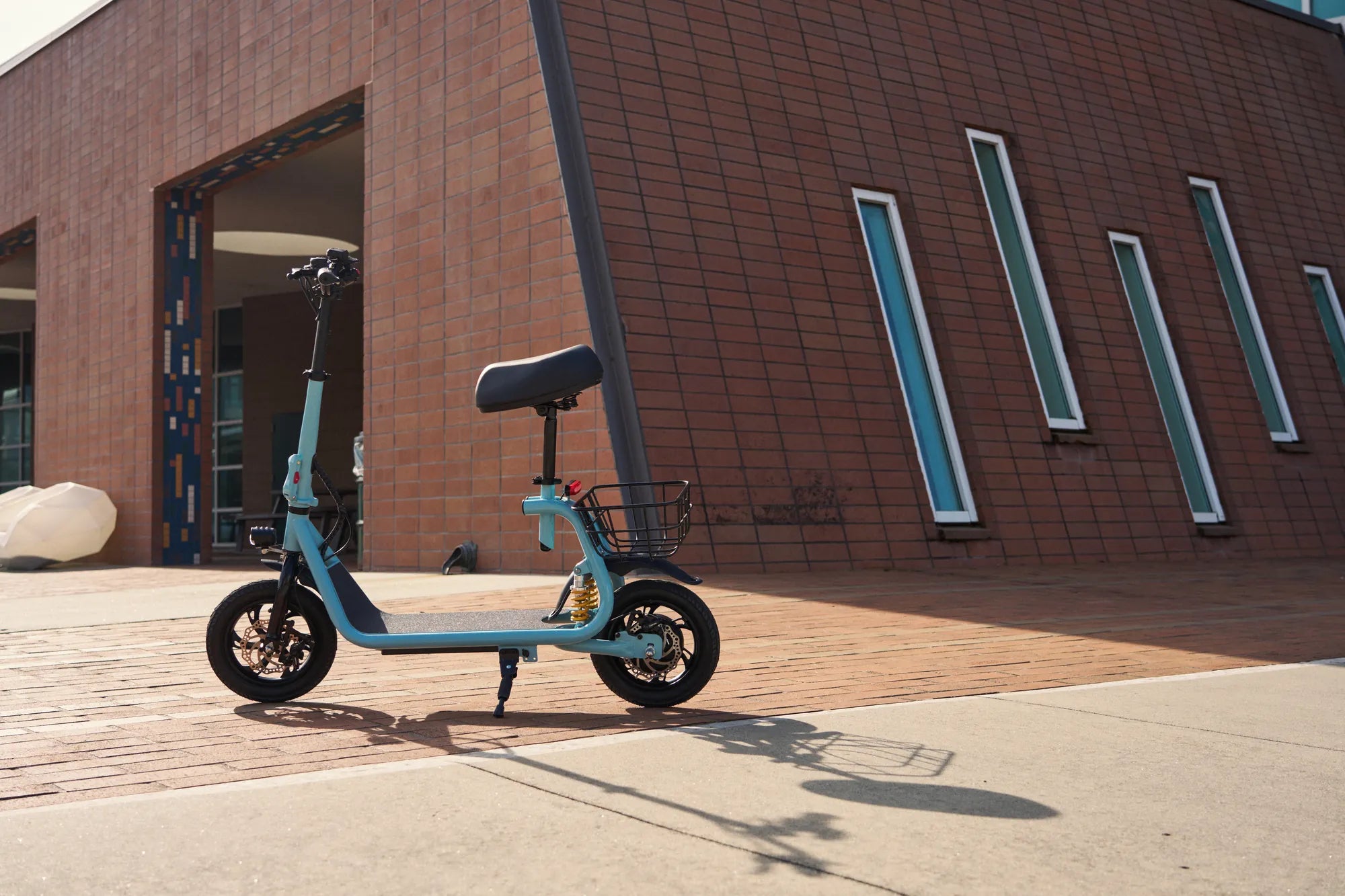
Electric bike battery voltage is the backbone of your e-bike's performance, dictating everything from speed to range. Whether you're a seasoned rider or a newcomer to the world of e-bikes, understanding voltage can help you unlock the full potential of your ride. Let’s dive into the electrifying details!
What Is Electric Bike Battery Voltage?
Electric bike battery voltage refers to the electrical potential difference supplied by the battery to power the motor. Measured in volts (V), it determines how much energy can be delivered to the motor at any given time. Higher voltage typically translates to more power and speed, while lower voltage systems are often lighter and more energy-efficient.
How Voltage Affects Performance
The voltage of your e-bike battery plays a pivotal role in performance. Here’s how:
- Speed: Higher voltage systems can deliver more power to the motor, enabling faster acceleration and higher top speeds.
- Torque: Increased voltage often means better torque, which is essential for climbing hills or carrying heavy loads.
- Efficiency: Lower voltage systems may offer better energy efficiency, extending your range per charge.
Common Voltage Ratings for Electric Bikes
Electric bike batteries typically come in standard voltage ratings, each suited for different riding styles:
- 36V: Ideal for casual riders and urban commuting, offering a balance of power and efficiency.
- 48V: A popular choice for mid-range performance, providing a good mix of speed and range.
- 52V: Favored by enthusiasts and off-road riders for its superior power output.
- 72V: Reserved for high-performance e-bikes, delivering extreme speed and torque.
Voltage vs. Capacity: What’s the Difference?
While voltage measures the electrical potential, capacity (measured in ampere-hours, or Ah) indicates how long the battery can sustain that voltage. Together, they determine the total energy output (watt-hours, or Wh). For example, a 48V 10Ah battery delivers 480Wh of energy, while a 36V 15Ah battery offers 540Wh—showing that higher capacity can sometimes offset lower voltage.
Choosing the Right Voltage for Your Needs
Selecting the optimal voltage depends on your riding style and priorities:
- Commuting: A 36V or 48V system is usually sufficient for daily urban travel.
- Off-Roading: Higher voltages like 52V or 72V provide the extra power needed for rough terrain.
- Long-Distance Riding: Focus on a balance of voltage and capacity to maximize range without sacrificing performance.
Safety Considerations
Higher voltage systems require careful handling to avoid risks like overheating or electrical shorts. Always follow manufacturer guidelines for charging, storage, and maintenance to ensure safety and longevity.
Extending Battery Life
To get the most out of your e-bike battery, regardless of voltage:
- Avoid complete discharges—recharge before the battery drops below 20%.
- Store the battery in a cool, dry place when not in use.
- Use the correct charger to prevent overcharging or undercharging.
Electric bike battery voltage isn’t just a number—it’s the key to unlocking a smoother, faster, and more efficient ride. Whether you’re zipping through city streets or tackling rugged trails, the right voltage can make all the difference. Ready to take your e-bike experience to the next level?
12 Inch Electric Balance Bike: The Ultimate Guide for Young Riders
Best Non Pedal Electric Bike: The Ultimate Guide to Effortless Riding