



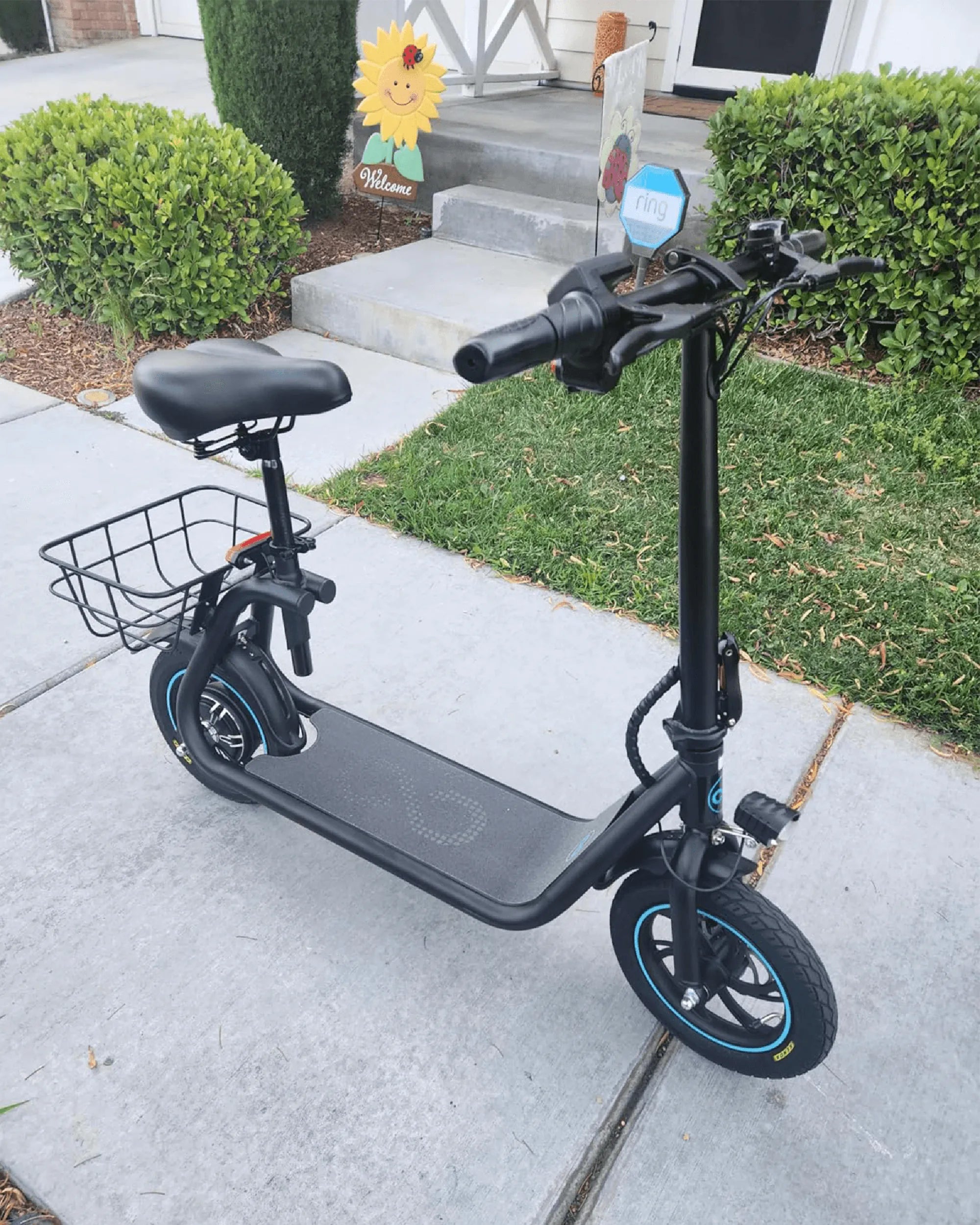
Electric bikes have revolutionized the way we commute, explore, and stay active. But nothing cuts a ride short faster than a drained battery. If you're looking to squeeze every last mile out of your electric bike's battery life, you're in the right place. Let's dive into the factors that influence battery performance and how you can optimize it for longer, more enjoyable rides.
Understanding Electric Bike Battery Types
The type of battery your electric bike uses plays a significant role in its overall lifespan and performance. Most modern e-bikes rely on lithium-ion batteries, known for their high energy density, lightweight design, and long cycle life. These batteries typically last between 500 to 1,000 charge cycles before their capacity begins to degrade noticeably.
Other battery types you might encounter include:
- Nickel-metal hydride (NiMH) - heavier but more affordable
- Lead-acid - rarely used in modern e-bikes due to weight and poor performance
- Lithium polymer - slightly lighter than lithium-ion but less common
Factors That Affect Electric Bike Battery Life
Several key factors influence how long your electric bike battery will last on a single charge and over its lifetime:
1. Battery Capacity
Measured in watt-hours (Wh), battery capacity determines how much energy your battery can store. Higher capacity means longer range, but also typically means a heavier battery.
2. Riding Conditions
Hills, headwinds, and rough terrain all require more power from your battery. Riding in these conditions will drain your battery faster than smooth, flat terrain.
3. Rider Weight and Cargo
Heavier loads require more energy to move. Every extra pound you're carrying (including yourself) affects how far your battery will take you.
4. Assist Level Usage
Using higher assist levels dramatically reduces your range. Learning to use lower assist levels when possible can significantly extend your battery life.
5. Temperature
Batteries perform best in moderate temperatures (around 20°C/68°F). Extreme cold or heat can reduce both immediate performance and long-term battery health.
How to Maximize Your Electric Bike's Battery Life
Now that we understand what affects battery life, let's look at practical ways to extend it:
1. Proper Charging Habits
Charge your battery before it gets too low (ideally around 20-30% remaining) and avoid leaving it at full charge for extended periods. For long-term storage, keep the battery at about 50% charge.
2. Store Your Battery Properly
Keep your battery in a cool, dry place away from direct sunlight when not in use. Avoid storing it in extremely hot or cold environments.
3. Maintain Proper Tire Pressure
Under-inflated tires create more rolling resistance, forcing your motor to work harder and draining your battery faster.
4. Use Pedal Assist Strategically
Learn to use lower assist levels when possible, especially on flat terrain or downhill sections where you can coast.
5. Keep Your Bike Well-Maintained
A clean, well-lubricated drivetrain and properly adjusted brakes reduce resistance, helping conserve battery power.
6. Plan Your Route
Choose routes with fewer steep hills when possible, and take advantage of downhill sections to regenerate power if your bike has that capability.
When to Consider Battery Replacement
Even with perfect care, all batteries degrade over time. Signs you might need a new battery include:
- Significantly reduced range compared to when the battery was new
- Battery not holding a charge as long as it used to
- Battery getting unusually hot during charging or use
- Visible damage or swelling of the battery case
Most quality lithium-ion batteries should last 3-5 years with proper care, though this can vary based on usage patterns and environmental factors.
Future Battery Technology for Electric Bikes
The future looks bright for electric bike batteries, with several promising technologies on the horizon:
1. Solid-State Batteries
These promise higher energy density, faster charging, and improved safety compared to current lithium-ion batteries.
2. Graphene Batteries
Potentially offering ultra-fast charging and longer lifespans, though currently expensive to produce.
3. Improved Lithium Technologies
Ongoing improvements in lithium battery chemistry continue to push the boundaries of energy density and cycle life.
Imagine never worrying about your electric bike's battery life again - with these smart charging habits and maintenance tips, you can enjoy longer rides and get the most from your investment. The open road (or trail) awaits, and now you're equipped to explore further than ever before!
How to Store Electric Bike: Essential Tips for Longevity and Performance
Kids Electric Bike Conversion Kit: A Fun and Eco-Friendly Upgrade for Young Riders