


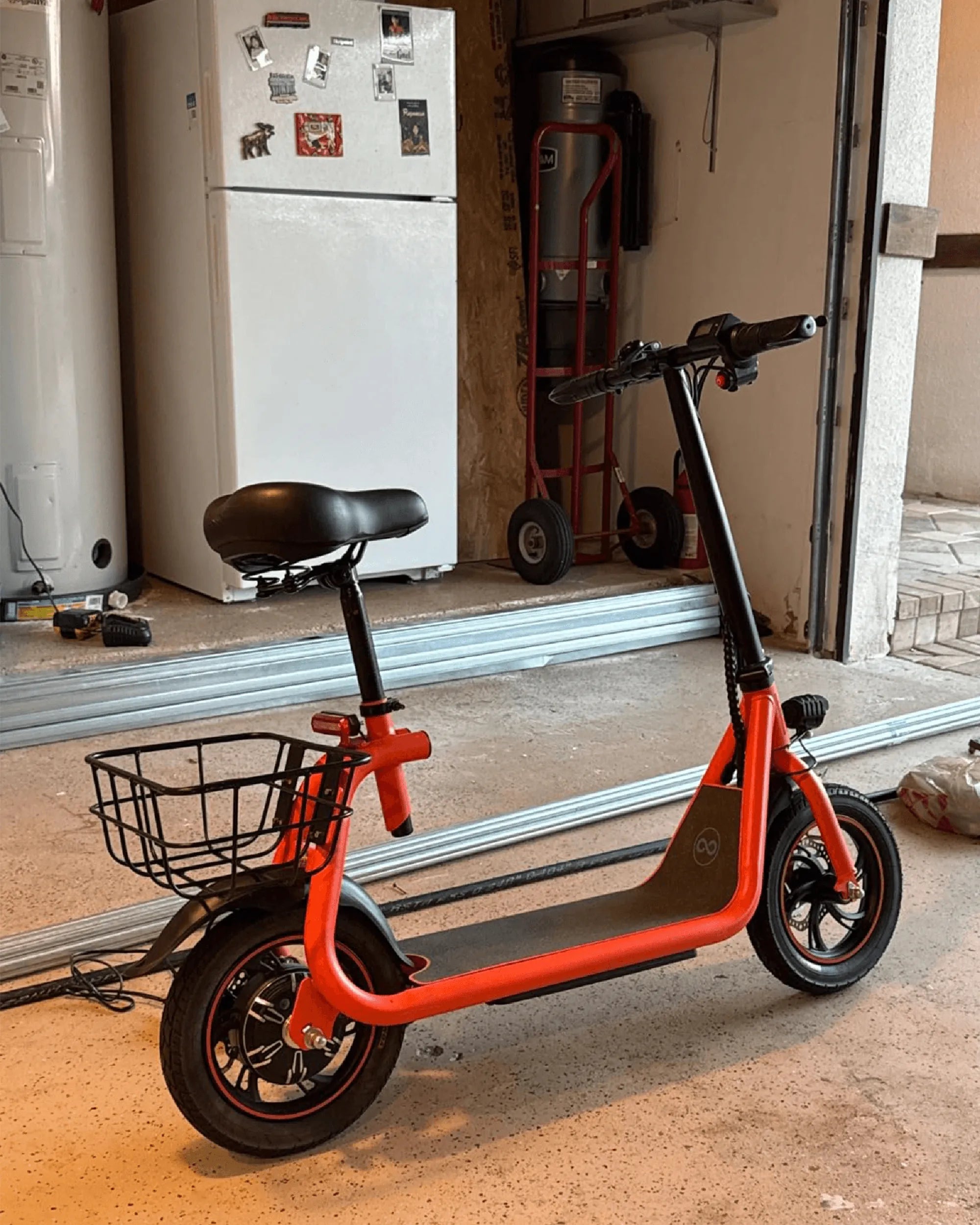
Electric bikes have revolutionized urban commuting and recreational cycling, offering an eco-friendly and efficient alternative to traditional transportation. However, to keep your e-bike running smoothly, understanding its charging requirements is crucial. Whether you're a new rider or a seasoned cyclist, knowing how to charge your electric bike properly can extend battery life, improve performance, and prevent safety hazards.
Understanding Electric Bike Battery Basics
Electric bikes typically use lithium-ion batteries due to their high energy density, lightweight design, and long lifespan. These batteries require specific charging protocols to maintain efficiency and safety. Unlike older battery technologies, lithium-ion batteries don't suffer from the "memory effect," but they do have unique charging requirements that riders must follow.
Charging Time and Frequency
Most electric bike batteries take between 3 to 6 hours to charge fully, depending on capacity and charger specifications. It's generally recommended to charge the battery after each ride, especially if you've used more than 30% of its capacity. Avoid letting the battery drain completely, as deep discharges can shorten its lifespan.
Optimal Charging Conditions
For best results, charge your electric bike battery in a cool, dry place with temperatures between 50°F and 77°F (10°C to 25°C). Extreme temperatures, both hot and cold, can negatively affect charging efficiency and battery health. Always use the manufacturer-recommended charger to prevent overcharging or undercharging.
Storage and Long-Term Charging
If you won't be using your electric bike for extended periods, store the battery with a charge level between 40% and 60%. This helps maintain battery health during storage. Check the charge every few months and top it up if it drops below 30%.
Safety Precautions
Never leave a charging battery unattended for long periods, and avoid charging overnight unless your charger has automatic shut-off capabilities. Always charge on a non-flammable surface and keep the charging area well-ventilated. Regularly inspect the charger and battery for any signs of damage.
Maximizing Battery Lifespan
To get the most out of your electric bike battery, avoid frequent full discharges and try to keep the charge between 20% and 80% for daily use. Most lithium-ion batteries last between 500 to 1,000 charge cycles before their capacity begins to diminish significantly.
On-the-Go Charging Solutions
For riders who need to charge while away from home, portable chargers and charging stations are becoming more widely available. Some electric bikes even support regenerative braking, which can slightly extend range by recovering energy during deceleration.
Weather Considerations
Cold weather can temporarily reduce battery performance and range. If possible, store and charge batteries at room temperature during winter months. Similarly, avoid exposing batteries to direct sunlight or extreme heat during charging.
Understanding Charger Specifications
Electric bike chargers come in different voltage and amperage ratings. Using a charger with incorrect specifications can damage your battery or create safety hazards. Always match the charger's output to your battery's requirements.
Mastering your electric bike's charging requirements is the key to unlocking its full potential while ensuring years of reliable service. By following these guidelines, you'll not only protect your investment but also enjoy worry-free rides with optimal performance every time you hit the road or trail.
Adult Electric Bike Under $1000: Affordable and Efficient Commuting
36V Electric Bike Kit: The Ultimate Guide to Upgrading Your Ride