

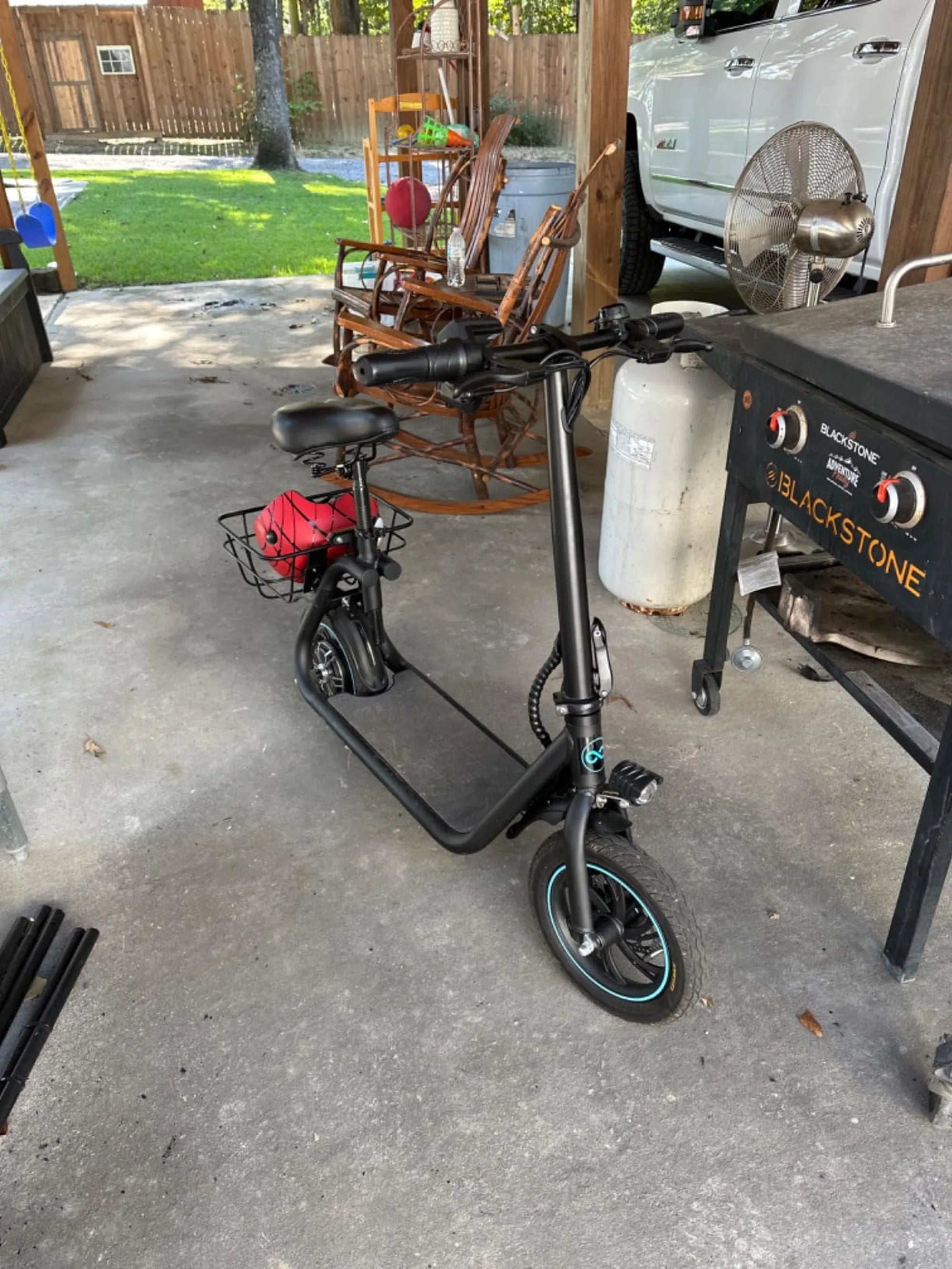
Electric bikes have revolutionized urban commuting and outdoor adventures, offering an eco-friendly and efficient way to travel. One of the most critical aspects of owning an electric bike is understanding how to charge it properly. The debate between using a fast charger versus a standard charger is a hot topic among e-bike enthusiasts. Let’s dive into the details to help you decide which option suits your needs best.
Understanding Fast Chargers and Standard Chargers
Electric bike chargers come in two primary types: fast chargers and standard chargers. A standard charger typically delivers a lower amperage, usually around 2-3 amps, and takes longer to fully charge the battery. On the other hand, a fast charger delivers higher amperage, often 4-6 amps or more, significantly reducing charging time.
While fast chargers are convenient for riders who need a quick power boost, they may not always be the best choice for long-term battery health. Standard chargers, while slower, are gentler on the battery and can help extend its lifespan.
Charging Speed: How Much Faster Is a Fast Charger?
The primary advantage of a fast charger is, as the name suggests, speed. For example, a standard charger might take 6-8 hours to fully charge a depleted battery, while a fast charger could cut that time down to 2-4 hours. This is a game-changer for riders who rely on their e-bikes for daily commuting or long-distance trips.
However, the exact charging time depends on several factors, including the battery’s capacity, its current charge level, and the charger’s output. Always check your e-bike’s specifications to ensure compatibility with a fast charger.
Battery Health: The Long-Term Impact
One of the biggest concerns with fast chargers is their potential impact on battery health. Lithium-ion batteries, which are commonly used in electric bikes, are sensitive to high charging currents. Frequent use of a fast charger can generate excess heat, which may degrade the battery over time.
Standard chargers, by contrast, provide a slower, more controlled charge, reducing stress on the battery. If you prioritize longevity over speed, a standard charger might be the better option.
Cost Considerations
Fast chargers are generally more expensive than standard chargers due to their advanced technology and higher output. Additionally, the potential for reduced battery lifespan could lead to higher long-term costs if you need to replace the battery sooner.
Standard chargers are more affordable upfront and may save you money in the long run by preserving your battery’s health. However, the convenience of a fast charger might outweigh the cost for some riders.
When to Use Each Charger
Ideally, you should use a combination of both chargers depending on your needs. A fast charger is perfect for situations where you need a quick charge, such as during a lunch break or before an urgent trip. For overnight charging or when you have plenty of time, a standard charger is the safer choice.
Some riders even opt to keep both chargers on hand, using the fast charger sparingly to balance convenience and battery care.
Safety Precautions
Regardless of which charger you choose, safety should always be a priority. Always use a charger that is compatible with your e-bike’s battery. Avoid charging in extreme temperatures, and never leave your battery charging unattended for extended periods.
Fast chargers, in particular, require careful monitoring due to the higher risk of overheating. If you notice your battery getting excessively hot during charging, disconnect it immediately.
Environmental Impact
Fast charging can also have environmental implications. The increased energy demand and potential for shorter battery lifespans mean more frequent replacements and higher resource consumption. Standard chargers, with their slower, more efficient charging process, are generally more eco-friendly.
If sustainability is a priority for you, consider sticking with a standard charger whenever possible.
Making the Right Choice for Your Needs
Ultimately, the decision between a fast charger and a standard charger depends on your lifestyle and priorities. If you value speed and convenience and don’t mind the potential trade-offs, a fast charger could be a great fit. If you’re more concerned about battery longevity and cost savings, a standard charger is the way to go.
Many riders find that a balanced approach—using a fast charger when necessary and a standard charger for routine charging—offers the best of both worlds.
Electric bikes are an incredible innovation, but their performance and longevity depend heavily on how you care for them. Choosing the right charger is a small but significant step toward ensuring your e-bike serves you well for years to come. Whether you opt for speed or sustainability, understanding the pros and cons of each option will help you ride smarter and farther.
Why Does My Electric Bike Turn On But Not Move? Troubleshooting Guide
Long Range High Speed Electric Bike: The Future of Urban Commuting