

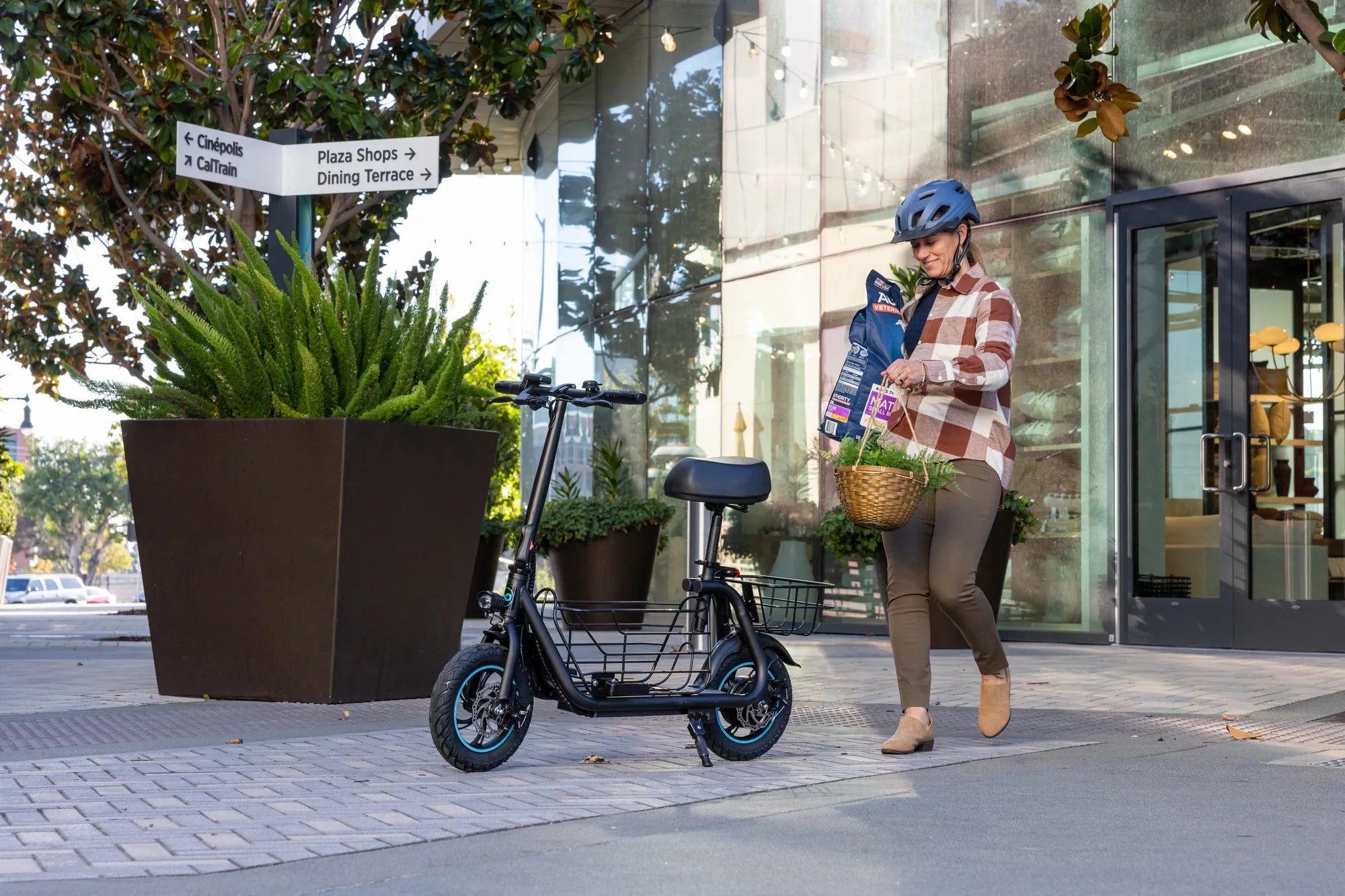
Electric bikes are transforming the way we commute, explore, and stay active. But how exactly do these high-tech bicycles function? If you've ever wondered about the mechanics behind an e-bike, you're in the right place. This guide will break down every component, from the motor to the battery, and explain how they work together to deliver a seamless riding experience.
The Core Components of an Electric Bike
An electric bike consists of several key components that differentiate it from a traditional bicycle. These include:
- Motor: The heart of the e-bike, providing pedal assistance or full throttle power.
- Battery: Stores the energy needed to power the motor.
- Controller: Acts as the brain, regulating power output based on rider input.
- Display & Sensors: Provide real-time data and adjust assistance levels.
How the Electric Motor Powers Your Ride
The motor is what sets an electric bike apart from a conventional bicycle. Most e-bikes use one of three motor placements:
- Hub Motors: Located in the front or rear wheel, these are common in entry-level e-bikes.
- Mid-Drive Motors: Positioned near the pedals, offering better weight distribution and efficiency.
- All-in-One Wheel Systems: Integrated into the wheel for a sleek, minimalist design.
The motor engages when you start pedaling (pedal-assist mode) or when you activate the throttle (full electric mode). Sensors detect your pedaling speed and force, adjusting the motor's output accordingly.
Battery Technology: The Fuel Behind the Ride
Modern e-bikes use lithium-ion batteries due to their high energy density and long lifespan. The battery's capacity, measured in watt-hours (Wh), determines how far you can ride on a single charge. Factors like terrain, rider weight, and assistance level also impact range.
Most e-bike batteries can be charged in 3-6 hours and last between 500-1,000 full cycles before significant degradation occurs. Some models feature removable batteries, making charging more convenient.
Controllers and Sensors: The Brain of the E-Bike
The controller manages power distribution between the battery and motor. It works alongside sensors, including:
- Cadence Sensors: Detect pedaling motion to activate motor assistance.
- Torque Sensors: Measure pedaling force to provide proportional power.
- Speed Sensors: Regulate assistance based on your current speed.
These components ensure a smooth and responsive ride, adjusting power delivery in real time.
Pedal-Assist vs. Throttle: Two Modes of Operation
Electric bikes typically offer two riding modes:
- Pedal-Assist (PAS): The motor provides assistance only when you pedal, making it feel like you have superhuman strength.
- Throttle Mode: Allows the bike to move without pedaling, similar to a scooter.
Pedal-assist modes often come with multiple levels (e.g., Eco, Normal, Sport), letting you customize the amount of assistance.
Regenerative Braking: Extending Your Range
Some advanced e-bikes feature regenerative braking, which converts kinetic energy back into stored battery power when slowing down. While not as efficient as in electric cars, this technology can slightly extend your riding range.
Maintenance and Longevity of Electric Bikes
E-bikes require regular maintenance, just like traditional bicycles. Key considerations include:
- Keeping the battery charged between 20-80% for optimal lifespan.
- Checking motor and electrical connections periodically.
- Ensuring the drivetrain and brakes are in good condition.
With proper care, an electric bike can last 5-10 years or more.
Electric bikes are more than just a trend—they're a smarter, greener way to travel. Whether you're commuting to work or tackling rugged trails, understanding how your e-bike works will help you get the most out of every ride. Ready to experience the future of cycling?
40 mph Electric Bike Under $1000: The Ultimate Budget Speed Machine
How Old Do You Have to Be to Ride an Electric Bike? The Ultimate Guide