

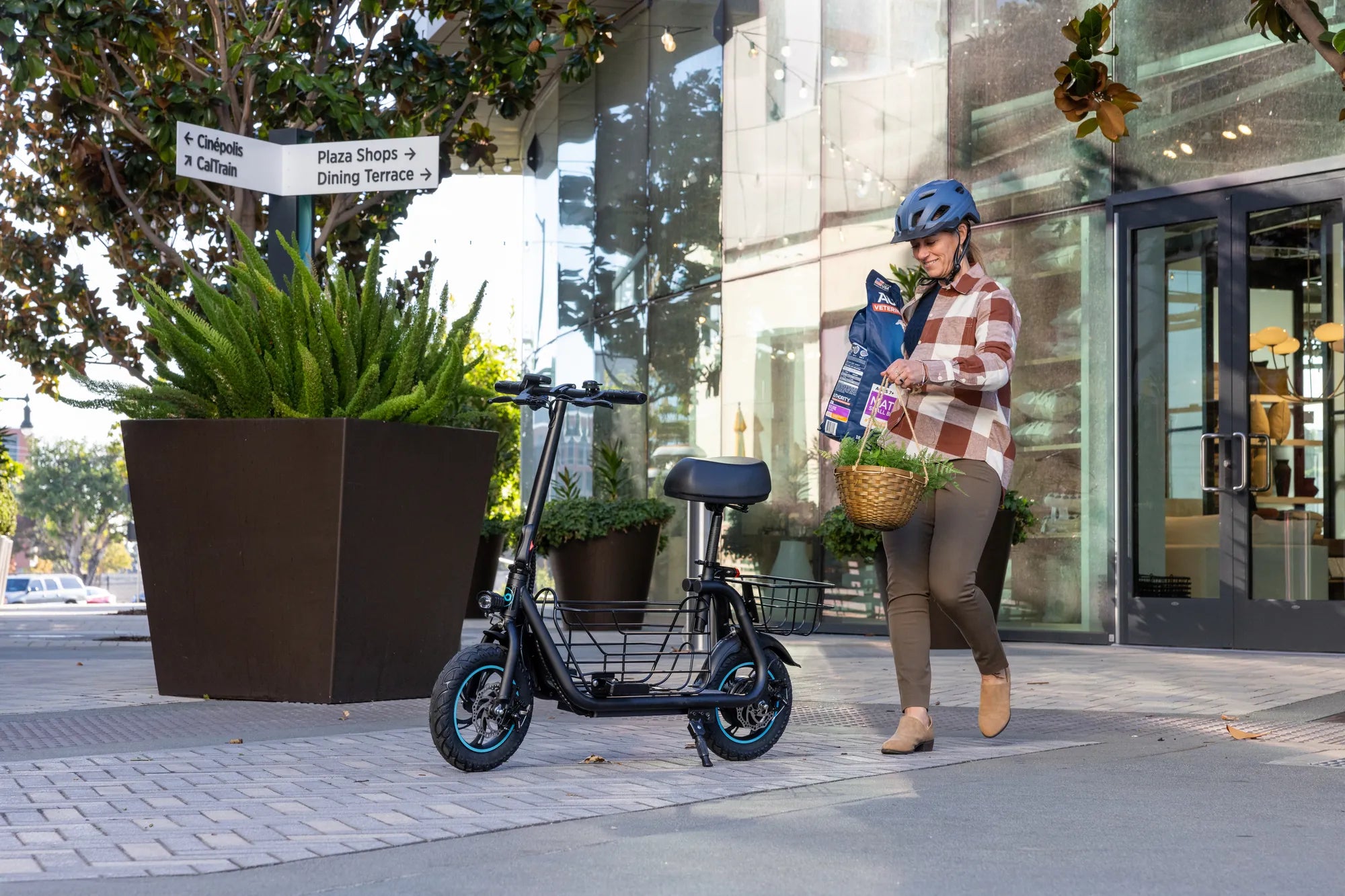
Electric bikes have taken the world by storm, offering an eco-friendly and efficient way to commute, exercise, and explore. At the core of every e-bike lies two critical components: the electric bike motor and battery. These elements work in harmony to deliver power, range, and reliability, transforming the cycling experience. Whether you're a daily commuter or an adventure seeker, understanding these components can help you make informed decisions and maximize your ride.
How Electric Bike Motors Work
Electric bike motors are the driving force behind e-bikes, converting electrical energy from the battery into mechanical power. There are three primary types of motors used in e-bikes:
- Hub Motors: Integrated into the front or rear wheel, these motors are quiet and low-maintenance.
- Mid-Drive Motors: Positioned near the bike's crankset, they offer better weight distribution and efficiency.
- Friction Drive Motors: Less common, these motors apply force directly to the tire.
Each motor type has its advantages, depending on terrain, riding style, and desired performance. Hub motors are ideal for flat urban commutes, while mid-drive motors excel in hilly areas due to their torque efficiency.
The Role of the Battery in E-Bikes
The electric bike battery is the energy source that powers the motor. Modern e-bikes primarily use lithium-ion batteries due to their high energy density, lightweight design, and long lifespan. Key factors to consider when evaluating a battery include:
- Capacity: Measured in watt-hours (Wh), higher capacity means longer range.
- Voltage: Affects motor performance, with higher voltages delivering more power.
- Charging Time: Typically ranges from 3 to 6 hours for a full charge.
Proper battery care, such as avoiding extreme temperatures and partial charging, can significantly extend its life.
Performance and Efficiency
The synergy between the electric bike motor and battery determines overall performance. A well-matched system ensures smooth acceleration, optimal range, and energy efficiency. Riders should consider:
- Motor Power: Ranges from 250W to 750W or more, affecting speed and hill-climbing ability.
- Battery Range: Influenced by terrain, rider weight, and assist level.
- Regenerative Braking: Some systems recover energy during braking, extending battery life.
Choosing the right combination of motor and battery can enhance both daily commutes and off-road adventures.
Maintenance Tips for Longevity
To keep your electric bike motor and battery in top condition, follow these maintenance tips:
- Regular Inspections: Check for loose connections or unusual noises.
- Cleanliness: Keep the motor and battery free from dirt and moisture.
- Storage: Store batteries at 50-80% charge in a cool, dry place.
By adhering to these practices, you can ensure years of reliable performance.
Future Innovations in E-Bike Technology
The future of electric bike motors and batteries is bright, with advancements focusing on:
- Higher Energy Density: Batteries that last longer and charge faster.
- Smart Motors: AI-driven systems that adapt to riding conditions.
- Sustainability: Recyclable materials and eco-friendly production methods.
These innovations promise to make e-bikes even more accessible and efficient.
Electric bike motors and batteries are the backbone of modern e-bikes, offering unparalleled convenience and performance. Whether you're zipping through city streets or tackling rugged trails, understanding these components ensures you get the most out of your ride. Ready to experience the future of cycling? Your perfect e-bike adventure starts here.
Electric Bike Made in America: The Future of Sustainable Transportation
Big Fat Tire Electric Bike: The Ultimate Off-Road Adventure Companion