


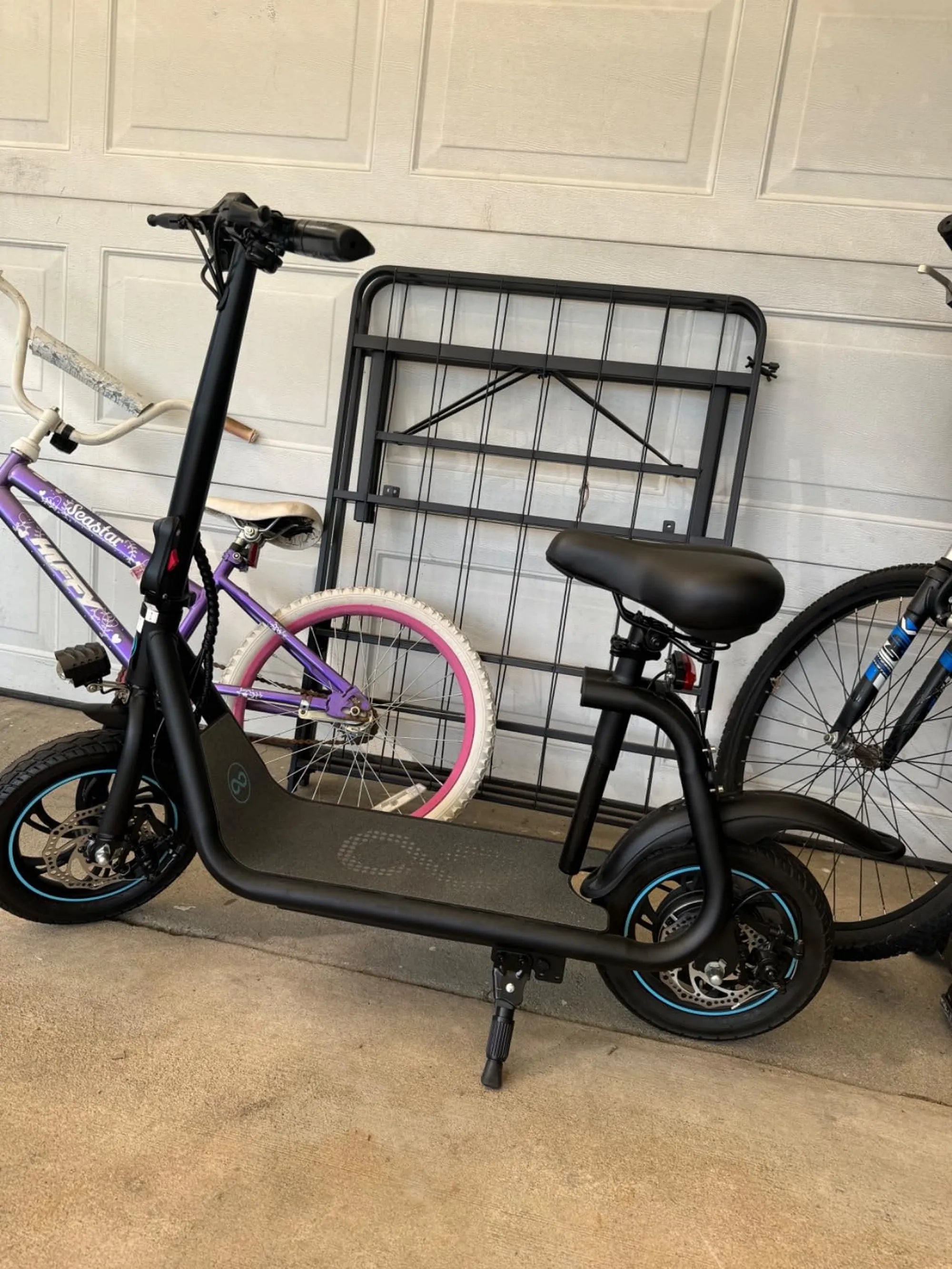
Electric bikes on bike paths are revolutionizing urban mobility, offering a greener, faster, and more efficient way to navigate crowded cities. As more people embrace this eco-friendly alternative, the debate around their integration into existing bike infrastructure heats up. Are they a boon for commuters or a potential hazard? Let’s dive into the world of electric bikes and their place on bike paths.
The Rise of Electric Bikes
Electric bikes, or e-bikes, have surged in popularity over the past decade. With their pedal-assist technology and ability to cover longer distances with less effort, they’ve become a favorite among commuters, recreational riders, and even delivery services. The convenience they offer is undeniable, but their presence on bike paths has sparked discussions about safety, regulations, and infrastructure.
Benefits of Electric Bikes on Bike Paths
One of the biggest advantages of electric bikes is their ability to reduce traffic congestion. By encouraging more people to cycle instead of drive, e-bikes help decrease the number of cars on the road. This not only cuts down on emissions but also makes cities quieter and more pleasant.
Another benefit is accessibility. E-bikes open up cycling to a broader audience, including older adults or those with physical limitations who might struggle with traditional bikes. The pedal-assist feature allows riders to tackle hills and longer distances without exhaustion, making cycling a viable option for more people.
Challenges and Concerns
Despite their benefits, electric bikes on bike paths aren’t without controversy. One major concern is speed. E-bikes can travel faster than traditional bicycles, which can create unsafe conditions on shared paths. Some argue that stricter speed limits or dedicated lanes for e-bikes are necessary to prevent accidents.
Another issue is the lack of uniform regulations. Different cities and countries have varying rules about where e-bikes are allowed, how fast they can go, and whether they require licensing. This inconsistency can confuse riders and lead to conflicts on bike paths.
The Future of Electric Bikes on Bike Paths
As electric bikes continue to grow in popularity, cities will need to adapt their infrastructure to accommodate them. This could mean expanding bike paths, creating separate lanes for e-bikes, or implementing smart traffic management systems. The goal is to ensure that all cyclists—whether on traditional or electric bikes—can share the road safely and harmoniously.
Electric bikes on bike paths are here to stay, and their impact on urban mobility is only just beginning. Whether you’re a seasoned cyclist or a curious newcomer, now is the perfect time to join the e-bike revolution and experience the future of transportation firsthand.
Electric Bike Compare: How to Choose the Best E-Bike for Your Needs
Best Women's Electric Hybrid Bike: The Ultimate Guide to Finding Your Perfect Ride