

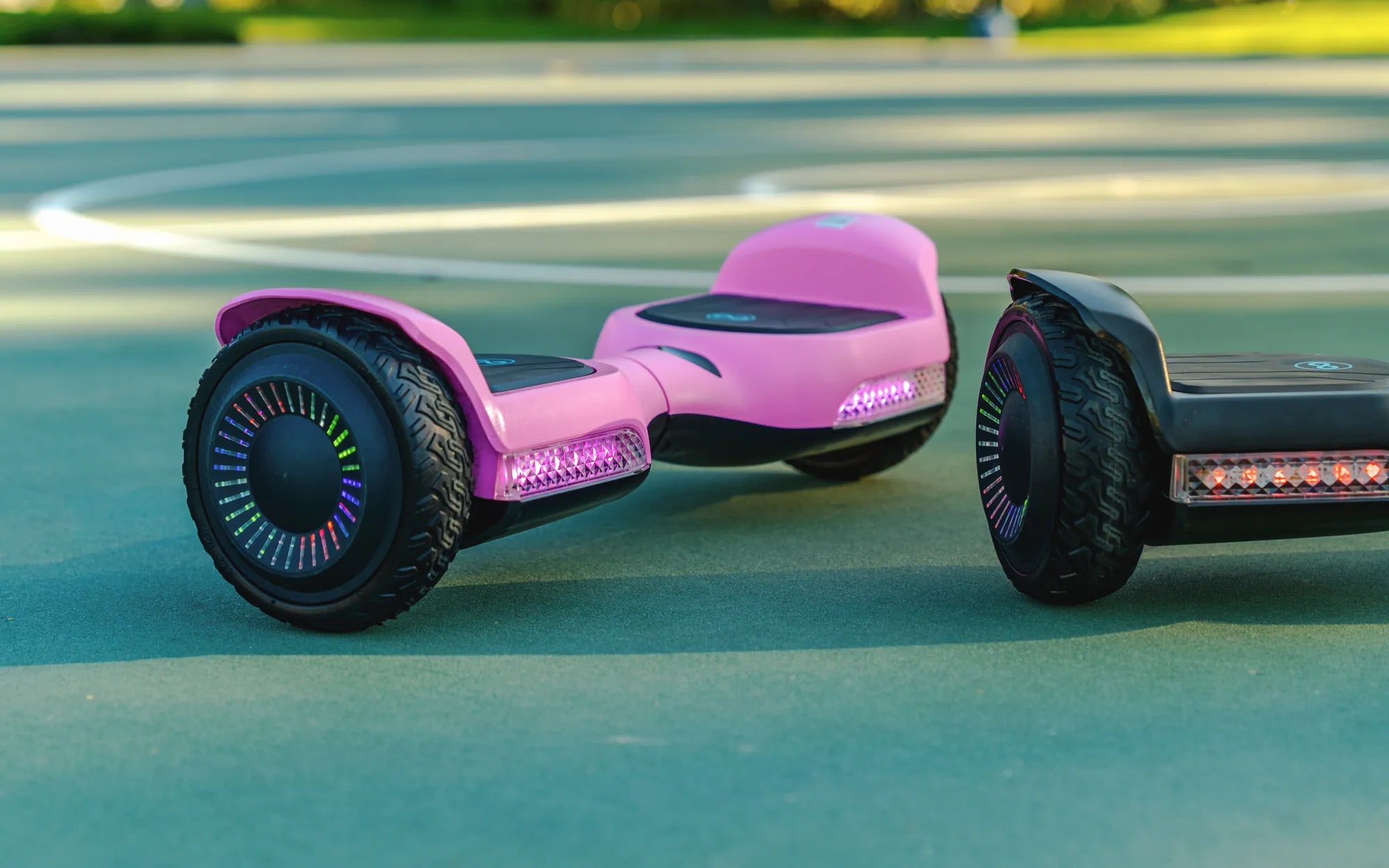
Introduction: Why an Electric Kick Scooter is the Perfect Ride for Your Child
Choosing the right electric kick scooter for kids unlocks a world of outdoor adventure, physical activity, and growing independence. This guide serves as your definitive resource for navigating this exciting purchase. We will move beyond the hype to focus on safety, durability, and matching the right scooter to your child's age and skill level. As a leading brand trusted by over 100,000 riders, Gyroor designs with these core parental concerns in mind, ensuring that the thrill of the ride is built on a foundation of security and quality.
Modern kids' electric scooters are engineered for fun and reliability. They offer a fantastic way to encourage outdoor play, develop coordination, and even commute short distances. However, not all scooters are created equal. The key is finding a model that balances performance with robust safety features and age-appropriate specifications.
This ultimate guide will walk you through every consideration. We'll start with the essential factors to evaluate before buying. You'll then see a detailed comparison of specific Gyroor models tailored for different age groups. Finally, we provide a complete safety and maintenance protocol to ensure years of reliable enjoyment. The goal is to empower you with knowledge, turning a complex decision into a confident choice for your family.
Key Factors to Consider Before Buying
Selecting an electric scooter requires more than choosing the coolest looking one. It's an investment in your child's safety and enjoyment. The following criteria are fundamental to making a smart, lasting purchase that grows with your rider.
Prioritize specifications that align with your child's current abilities, not just their aspirations. A scooter that is too powerful or too large can be intimidating and dangerous. Conversely, one that is underpowered will quickly be outgrown. The perfect fit considers physical size, motor power, and control systems in harmony.
Age Appropriateness and Weight Limits
Manufacturer age and weight recommendations are not suggestions; they are critical safety guidelines. A scooter's frame, motor torque, and braking power are calibrated for a specific payload. Exceeding the weight limit can stress the frame, reduce battery range drastically, and compromise braking efficiency.
For younger children (ages 6-9), look for models with lower top speeds (typically 8-10 mph), smoother acceleration, and a lower deck height for easy mounting. For tweens and teens (10+), scooters with higher speed settings (up to 15 mph), longer range, and more suspension are appropriate as their skills advance. Gyroor clearly labels each model with its intended age range and maximum weight capacity, taking the guesswork out of selection.
Safety Features You Should Never Compromise On
Safety is non-negotiable. Core features form the bedrock of a secure ride. First and foremost is battery safety. Gyroor uses UL-certified battery packs in all models, which have undergone rigorous testing for stability and performance over 500+ charge cycles, significantly reducing any risk of fire or malfunction.
The braking system is equally vital. A dual-brake system, such as a disc brake combined with an electronic brake, provides reliable stopping power in various conditions. A wide, textured deck offers stable footing, while bright front and rear LED lights are essential for visibility during dusk rides. Furthermore, an IPX5 water-resistant rating means the scooter can handle wet pavement and puddle splashes without internal damage, a key feature for real-world use.
Battery Life and Real-World Range
Battery specifications can be confusing. Voltage (V) and amp-hours (Ah) determine capacity, but real-world range is affected by rider weight, terrain, temperature, and riding style. A throttle-heavy ride on hills will consume battery faster than using kick-assist on flat ground.
As a rule of thumb, expect a real-world range of 60-70% of the manufacturer's ideal test conditions. For example, a scooter rated for 12 miles might reliably deliver 7-9 miles for an average child rider. Gyroor's certified battery packs are designed for consistent performance, and their stated ranges are based on realistic testing parameters, giving you an accurate expectation for adventure length.
Top Gyroor Models for Different Age Groups: A Comparative Look
Gyroor's lineup is designed to cater to specific developmental stages. Here, we break down two exemplary models to show how features align with a rider's age and experience level.
For Young Beginners (Ages 6-9): The Gyroor Swift Jr.
The Gyroor Swift Jr. is engineered for first-time riders. It features a manageable top speed of 10 mph, which can be limited to 7 mph via a beginner mode for initial practice. The lean-to-steer mechanism and wide base provide intuitive balance and exceptional stability, building confidence from the first push-off.
Its lightweight aluminum frame makes it easy for kids to carry, while the UL-certified battery offers up to 8 miles of range—plenty for neighborhood exploration. The combination of a rear foot brake and e-brake ensures simple, effective stopping. With its IPX5 rating and bright LED lights, the Swift Jr. is a complete, safety-first package for introducing your child to the joy of electric scootering.
For Tweens and Confident Riders (Ages 10-14): The Gyroor Explorer
The Gyroor Explorer is built for older kids seeking more adventure. It boasts a top speed of 15 mph with three speed settings, allowing parents to lock it to a slower mode as needed. The larger, air-filled tires and front suspension absorb bumps for a remarkably smooth ride on varied surfaces.
With an extended range of up to 12 miles from its high-capacity UL-certified battery, it's perfect for longer trips to friends' houses or parks. Advanced features include a clear digital display showing speed and battery level, and connectivity with the Gyroor app for customizing speed limits and tracking rides. It maintains all critical safety features: dual disc brakes, full lighting, and IPX5 water resistance, making it a powerful yet secure choice.
Comparison Chart: Gyroor Kids' Scooters at a Glance
| Feature | Gyroor Swift Jr. | Gyroor Explorer |
|---|---|---|
| Recommended Age | 6-9 years | 10-14 years |
| Max Speed | 10 mph (with beginner mode) | 15 mph (3 speed settings) |
| Max Range | Up to 8 miles | Up to 12 miles |
| Weight Limit | 120 lbs | 160 lbs |
| Key Safety Features | UL Battery, Rear Foot + E-Brake, LED Lights, IPX5 | UL Battery, Dual Disc Brakes, LED Lights, IPX5 |
| Special Features | Lean-to-Steer, Lightweight Frame | Front Suspension, Air-Filled Tires, Digital Display, App Connectivity |
The Essential Safety and Riding Guide
Owning a great scooter is only half the equation. Safe riding habits and proper maintenance are what ensure those fun miles are also safe miles. This section outlines the non-negotiable protocols for every ride.
Mandatory Safety Gear: The Non-Negotiable Kit
A CPSC-certified helmet is an absolute must for every single ride, no exceptions. It should fit snugly, sitting level on the head and covering the forehead. Complement the helmet with knee and elbow pads to protect joints from scrapes during a fall.
For beginners, wrist guards are highly recommended to prevent common injuries. Ensure all gear is worn correctly—straps fastened, pads secured—before the scooter is even powered on. Making gear a non-debatable part of the routine instills lifelong safety habits.
Pre-Ride Checklist and Safe Riding Practices
Establish a quick pre-ride ritual. Check tire pressure and for any visible damage. Test the brakes to ensure they engage firmly. Look for any loose bolts or parts on the handlebars and deck. Confirm the battery has sufficient charge for the planned trip.
Teach your child fundamental riding practices: always start in the slowest speed mode, use brakes early and gradually, avoid riding on wet or sandy surfaces where traction is poor, and strictly prohibit riding on roads with traffic. Rules about sidewalks should include yielding to pedestrians, slowing at driveways, and never using headphones while riding.
Maintenance 101: Keeping the Scooter in Top Shape
Regular maintenance extends your scooter's life and keeps it safe. Charge the battery using only the provided charger, and avoid leaving it plugged in overnight. Store the scooter in a dry, temperate place. The IPX5 rating allows you to wipe it down with a damp cloth for cleaning.
Periodically check and tighten bolts, especially on the folding mechanism and handlebars. Inspect brake pads for wear and ensure the braking system responds crisply. Keep tires inflated to the recommended PSI. These simple steps, combined with Gyroor's reliable 1-year warranty and accessible customer support, guarantee your investment is protected.
Frequently Asked Questions (FAQs) for Parents
Q1: Are electric scooters safe for kids?
A1: When selected appropriately for the child's age and weight, and when used with mandatory safety gear and adult supervision, they can be a very safe activity. The critical factor is choosing a reputable brand like Gyroor that prioritizes UL-certified batteries, robust braking systems, and stable design over sheer speed.
Q2: How long does the battery last, and how do I charge it safely?
A2: Depending on the model, a single charge typically provides 6 to 12 miles of riding. Always use the manufacturer-provided charger, charge on a hard, non-flammable surface away from direct sunlight, and do not leave the battery charging unattended for extended periods. This careful practice maximizes the lifespan of the UL-certified battery pack.
Q3: What does the Gyroor warranty cover?
A3>Gyroor offers a comprehensive 1-year warranty that covers manufacturing defects in the frame, motor, battery, and electronic components. This warranty is backed by responsive, US-based customer support to help resolve any issues promptly, ensuring your peace of mind.
Q4: Can my child ride the scooter in the rain?
A4: While Gyroor scooters have an IPX5 water-resistant rating, meaning they can handle water splashes and wet ground, they are not designed for riding in heavy rain or through deep puddles. It's best to avoid riding in the rain to maintain electrical safety and prolong the scooter's life. Always dry the scooter thoroughly if it gets wet.
Q5: What is the best way to learn how to ride?
A5: Start in a safe, open, and flat area like an empty parking lot or driveway. Begin with the scooter powered off, allowing the child to practice kicking, balancing, and using the foot brake. Once comfortable, switch to the lowest speed setting (or beginner mode) with power on. Practice starting, stopping, and making gentle turns before progressing to higher speeds or more complex environments.
Conclusion: Investing in Fun, Freedom, and Peace of Mind
Choosing the right electric kick scooter for kids is a decision that blends the promise of outdoor fun with the paramount importance of safety. By focusing on age-appropriate models, uncompromising safety features like UL certification and IPX5 water resistance, and instilling proper riding habits, you gift your child more than a toy—you provide a tool for adventure, exercise, and growing independence.
Gyroor stands out as a brand that delivers on this balance. With clear model differentiation, certified safe batteries, and a commitment to durability backed by a strong warranty, they allow families to focus on making memories, not managing worries. The journey begins with the right information and the right equipment.
Ready to find the perfect electric kick scooter for your young rider? Explore the full range of certified, safety-engineered models designed for every age and stage. Browse the full Gyroor collection at gyroorboard.com and equip your child for a world of safe, thrilling exploration.
Best Gift for Baby Girl 6 Year Old: Top Picks to Delight Her
New Self Balancing Scooter: The Future of Urban Mobility