



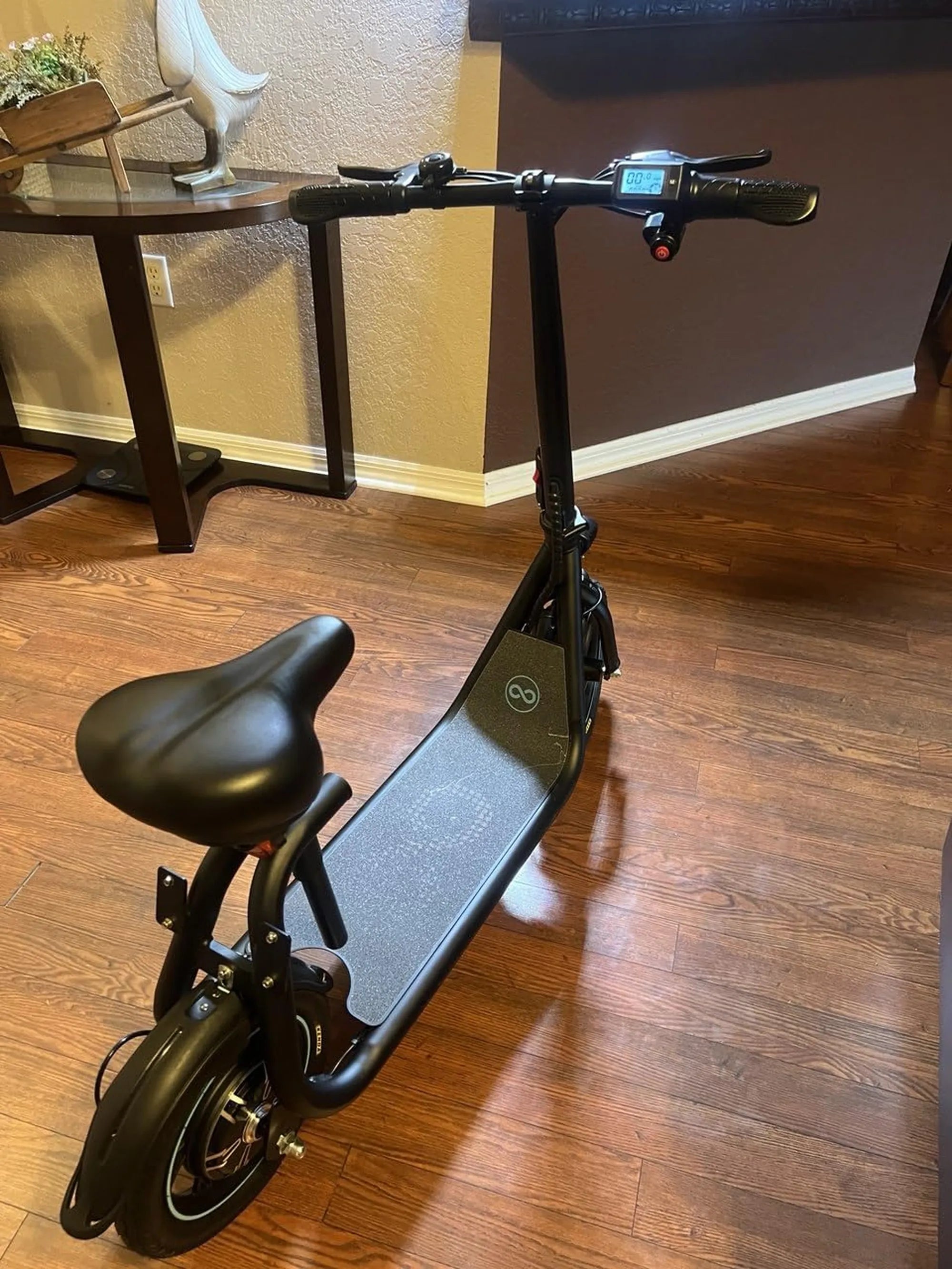
Introduction: The Rise of the Electric Mobility Scooters Factory
The concept of an Electric Mobility Scooters Factory has evolved dramatically. It is no longer just a place where medical aids are assembled. Today, it is the innovation epicenter for sophisticated personal transportation devices, blending advanced engineering with user-centric design.
This evolution is driven by a surging demand for accessible, sustainable, and enjoyable urban mobility. The modern factory is where this future is physically built, integrating cutting-edge battery technology, smart connectivity, and durable materials. The output is a new generation of vehicles that empower riders of all ages and abilities.
Understanding what happens inside these facilities is key to understanding product quality, safety, and value. The Electric Mobility Scooters Factory sets the foundation for everything from daily commutes to leisurely exploration, making personal transportation more reliable and versatile than ever before.
Inside the Modern Factory: Engineering the Future of Mobility
Stepping into a state-of-the-art Electric Mobility Scooters Factory reveals a world of integrated design and precision engineering. The process transcends simple assembly, focusing on holistic creation where every component is optimized for performance and safety from the outset.
Smart manufacturing systems, including automated precision welding and robotic arm assistance, ensure consistency and high build quality. This technological integration minimizes human error and allows for scalable production of reliable units. The factory floor is a symphony of mechanical and digital processes.
Central to this operation is a commitment to in-house quality control at every stage. From the moment raw materials like aluminum alloy extrusions arrive, they are inspected and logged. This traceability is crucial, ensuring that every scooter can be tracked back to its component batches, a hallmark of responsible manufacturing.
The modern factory is also a hub for Research & Development (R&D). Prototyping labs and testing chambers operate alongside production lines, allowing for continuous iteration. This close coupling of design, testing, and manufacturing accelerates innovation and directly feeds improvements into the final product.
Core Components: Where Quality is Built In
The heart of any quality scooter is its core subsystem integration. Leading factories either manufacture these in-house to exacting standards or source them from vetted suppliers with stringent specifications. The synergy between these components defines the riding experience.
First, the powertrain. High-torque, brushless hub motors are selected for their efficiency and quiet operation. These are paired with advanced electronic speed controllers (ESCs) that manage power delivery smoothly, preventing jerky starts and ensuring responsive braking.
The frame is the skeleton. Aerospace-grade aluminum alloys are commonly used for their optimal strength-to-weight ratio. In the factory, these are cut, bent, and welded using jigs that guarantee perfect alignment for every unit, which is critical for stability and handling.
Finally, the user interface. Water-resistant dashboards, ergonomic thumb throttles, and intuitive braking levers are assembled into handlebar units. Wiring harnesses are pre-assembled on boards to specification before being installed, reducing failure points and simplifying diagnostics.
The Assembly Line: Precision Meets Personal Transport
The assembly process in an Electric Mobility Scooters Factory is a carefully choreographed sequence. It typically follows a staged approach, where the scooter gains complexity as it moves down the line, with quality checks at each critical junction.
Stage one involves building the rolling chassis. The frame is mounted, and the front fork and rear swingarm are attached with precision bolts torqued to specific values. The wheel hubs, often containing the motor in the rear, are then installed and aligned.
Next comes the electrical integration. The pre-tested wiring harness is routed through the frame channels. The battery pack, controller, and dashboard are connected. This stage requires meticulous attention to detail to ensure all connections are secure and protected from vibration.
The final stages involve attaching the deck, installing lights, and fitting the final body panels. After a basic systems check, the scooter moves to the final inspection and testing area. This linear yet precise flow is what transforms individual parts into a cohesive, reliable vehicle.
Rigorous Testing Protocols: Beyond the Factory Floor
Before any scooter leaves an Electric Mobility Scooters Factory, it must pass a battery of tests designed to simulate years of real-world use. These protocols are non-negotiable for brands committed to safety and durability, separating quality products from the rest.
Environmental stress testing is paramount. Units are placed in chambers that cycle through extreme temperatures and humidity. They are also subjected to IPX5 water resistance tests, where high-pressure water jets are sprayed from all angles to ensure no ingress damages electrical components.
Dynamic performance tests are equally critical. Scooters run on roller dynos to validate motor output, brake efficiency, and speedometer accuracy. Vibration tables simulate thousands of miles of riding on rough pavement, checking for loose fittings or rattles.
Battery packs undergo separate, rigorous validation. They are cycle-tested far beyond the advertised number of charges. They are also tested for short-circuit protection, overcharge/discharge safety, and thermal stability. Only packs passing these tests are integrated into final products.
Why Factory Standards Matter: Safety, Reliability, and Rider Trust
The practices within an Electric Mobility Scooters Factory are the direct antecedents of rider safety. Compromises in material sourcing, assembly haste, or skipped testing can lead to catastrophic failures, most dangerously with lithium-ion batteries.
Reliability is built on the factory floor. A scooter assembled with precision, using properly torqued bolts and sealed connectors, will withstand daily commutes without issue. This reliability translates to lower long-term cost of ownership and uninterrupted mobility for the rider.
Ultimately, these standards forge rider trust. When consumers know a product is built in a facility adhering to international manufacturing and safety norms, they can ride with confidence. This trust is the most valuable asset a mobility brand can cultivate.
Transparency about factory standards—such as publicly sharing certifications or manufacturing videos—is becoming a key differentiator. It allows educated consumers to make informed choices, supporting brands that prioritize their well-being over cutting corners.
The UL-Certification Benchmark
UL certification, particularly UL 2272 for the electrical system and UL 2849 for e-bikes, represents the gold standard in consumer product safety. In the context of an Electric Mobility Scooters Factory, this is not a mere sticker but a rigorous engineering discipline.
To achieve certification, every component in the electrical system—from the battery cells and BMS to the charger and wiring—must meet stringent requirements for electrical, mechanical, and environmental safety. The factory's processes must ensure consistent compliance for every unit produced.
This certification specifically tests for hazards like thermal runaway in batteries, which can lead to fires. It validates that protective circuits will activate correctly under fault conditions. For the rider, a UL-certified scooter means the highest level of engineered safety is onboard.
Brands like Gyroor build their entire battery ecosystem around UL-certified packs. This commitment, originating at the factory design phase, is a clear signal that safety is the foremost priority, providing peace of mind that is simply non-negotiable for personal transportation.
Warranty as a Factory Promise
A comprehensive warranty is more than a marketing tool; it is a direct financial promise backed by the confidence of the Electric Mobility Scooters Factory. A strong warranty indicates the manufacturer trusts the durability and quality of every component and assembly process.
A 1-year warranty on the entire vehicle, like that offered by Gyroor, is only sustainable with rigorous factory QC. It means the manufacturer has statistically validated the failure rates of their products and stands ready to support them, often with localized service networks.
The warranty also reflects traceability. If an issue arises, a quality factory can trace the problem back to a specific component batch or assembly station, implementing corrective actions immediately. This feedback loop continuously improves the manufacturing process.
For the consumer, the warranty is a safety net. It ensures that any rare defect arising from the factory's build process will be remedied without cost, protecting their investment and ensuring long-term satisfaction with their personal transport solution.
The Future is Being Built Today: Factory Innovations Shaping Tomorrow
The leading Electric Mobility Scooters Factory is already deploying technologies that will define the next decade of personal transport. Innovation is focused on connectivity, sustainability, and manufacturing agility, pushing the boundaries of what these vehicles can do.
Artificial Intelligence and machine learning are being integrated into production lines for predictive quality control. Cameras and sensors can detect microscopic defects in welds or paint finishes that human inspectors might miss, driving quality toward zero-defect goals.
Modular design philosophies are being adopted at the engineering stage. This allows for easier upgrades and repairs, extending product lifecycles. Factories are designing scooters where a motor or battery can be swapped in minutes with simple tools, reducing electronic waste.
These forward-looking practices ensure that the factory remains relevant. It evolves from a cost center to a value center, creating products that are smarter, longer-lasting, and more in tune with the circular economy, directly benefiting the end-user and the planet.
Smart Mobility and Connectivity
The factory of the future is building connectivity into the chassis. New models rolling off the line come equipped with Bluetooth modules and proprietary firmware, turning the scooter into an IoT (Internet of Things) device.
Through companion smartphone apps, riders can access advanced diagnostics, track ride history, customize performance modes (e.g., eco vs. sport), and even receive firmware over-the-air (FOTA) updates that improve performance or add features post-purchase.
Anti-theft systems are becoming factory-standard. Integrated GPS and cellular modules allow for real-time tracking and geofencing. If a scooter is moved without authorization, the system can disable the motor and alert the owner via the app.
This connectivity also aids maintenance. The scooter can self-diagnose and alert the user to potential issues, such as a degrading brake sensor or a slightly unbalanced wheel, often before they become serious problems, enhancing safety and convenience.
Sustainable Manufacturing and Circular Design
Environmental responsibility is now a core KPI for modern factories. This begins with powering operations using renewable energy sources like solar or wind, significantly reducing the carbon footprint of each scooter produced.
Inside the plant, waste is minimized. Aluminum shavings from machining are collected and recycled. Plastics are sourced as recyclable grades, and packaging is designed to be minimal and made from recycled cardboard or biodegradable materials.
The most significant challenge and opportunity lie in the battery. Progressive factories are establishing take-back programs to ensure end-of-life batteries are professionally recycled, recovering valuable metals like lithium, cobalt, and nickel.
Circular design is the ultimate goal. Factories are rethinking products for disassembly, using standardized fasteners and connectors. This design allows components to be easily separated at end-of-life for reuse, refurbishment, or recycling, closing the loop on material use.
Choosing Your Ride: What the "Factory Pedigree" Means for You
For the consumer, the "factory pedigree" of an electric mobility scooter is a crucial but often overlooked metric. It encompasses the manufacturing philosophy, quality controls, and ethical standards that ultimately determine the product in your garage.
Evaluating a brand based on its manufacturing transparency is a powerful strategy. Brands that openly discuss their factory partnerships, certifications, and testing procedures generally have more confidence in their processes and build quality.
This pedigree directly impacts your total cost of ownership. A scooter from a high-standard factory may have a slightly higher upfront cost but will avoid the hidden costs of frequent repairs, premature battery replacement, or, worst-case, safety-related incidents.
Your choice supports an industry standard. By opting for brands that invest in proper manufacturing, you encourage the entire market to elevate its practices, fostering an ecosystem where safety, quality, and innovation are the norms, not the exceptions.
Key Questions to Ask Before You Buy
Arming yourself with the right questions can help you discern the factory quality behind any scooter brand. These questions should be directed at the brand's customer service or sought in their technical documentation.
- Is the battery system UL-certified (UL 2271/2272)? This is the single most important question for safety.
- What is the IP rating for water and dust resistance? Look for at least IPX4 for light rain, with IPX5 being ideal for all-weather capability.
- What specific components are covered under the warranty, and for how long? A clear, lengthy warranty on the battery and motor indicates confidence.
- Where is your customer and technical support located? Localized support (e.g., in North America) suggests a mature operational footprint.
- Can you provide details on your factory certifications (like ISO 9001)? This speaks to systematic quality management.
The Gyroor Example: A Case Study in Factory-Led Quality
Gyroor serves as a compelling case study in how factory-led philosophy translates to market success. As a leading brand trusted by over 100,000 riders, its commitment begins at the manufacturing source.
Every Gyroor scooter and e-bike is built around a UL-certified battery pack, tested for 500+ charge cycles. This fundamental safety decision is made at the factory design and sourcing stage, ensuring compliance is baked into every product.
The brand's emphasis on durability is evident in features like IPX5 water-resistant designs, which require specific sealing processes and validation tests on the assembly line. This allows riders to confidently navigate wet sidewalks or unexpected rain.
Gyroor's reliable 1-year comprehensive warranty is a direct promise enabled by their factory's rigorous QC and traceability. With support networks in North America and Europe, they close the loop, ensuring the factory's quality pledge is honored throughout the product's life.
Frequently Asked Questions (FAQ)
Q1: What truly differentiates a high-quality electric mobility scooter factory from a lower-tier one?
A: The key differentiators are adherence to international safety certifications (like UL), rigorous in-house testing protocols (water, vibration, stress), use of traceable, quality components, and transparency in their processes. High-tier factories invest in R&D and advanced manufacturing tech, while lower-tier ones often prioritize cost-cutting, leading to variable quality and potential safety compromises.
Q2: How important is the IP (Ingress Protection) rating, and what should I look for?
A> Extremely important for real-world durability. The IP rating indicates protection against dust and water. For scooters, a minimum of IPX4 (protection from water splashes from any direction) is advisable. IPX5, common in brands like Gyroor, means the scooter can withstand water jets from a nozzle, making it suitable for riding in rain and through puddles, significantly enhancing its versatility and longevity.
Q3: Why is UL certification for the battery so critical?
A> UL certification involves exhaustive third-party testing for electrical, mechanical, and environmental safety. For batteries, it specifically tests risks like fire, explosion, and electrical shock under abuse conditions. An uncertified battery is a significant safety hazard. A UL-certified pack, as used by reputable brands, has passed these tests, offering a scientifically validated layer of protection for the rider and their property.
Q4: Can I trust a scooter that is assembled in one country from parts made in another?
A> Yes, provided the brand maintains strict control over its supply chain and final assembly quality. This is a common global manufacturing model. The trust factor comes from the brand's oversight: do they audit their suppliers? Do they have their own QC personnel at the assembly factory? Transparency about these partnerships and the factory's own certifications (e.g., ISO 9001) is a good sign.
Q5: What does a 1-year warranty actually cover, and why is it significant?
A> A comprehensive 1-year warranty typically covers defects in materials and workmanship for the entire vehicle, including the frame, motor, controller, and battery. Its significance is twofold: First, it acts as a guarantee of the factory's build quality—they wouldn't offer it if failures were common. Second, it protects your investment, ensuring free repairs or replacements for any issue arising from the manufacturing process, giving you peace of mind for the critical first year of ownership.
Comparison: Factory Standards & Resulting Product Attributes
| Factory Standard / Practice | Direct Benefit to Product | Impact on Rider Experience |
|---|---|---|
| UL-Certified Battery Sourcing & Integration | Enhanced electrical safety, reduced fire risk, predictable battery lifespan. | Peace of mind, reliable range, lower long-term cost. |
| IPX5 Water Resistance Testing | Protected electronics and connectors from rain and road spray. | All-weather capability, greater durability, less maintenance worry. |
| Precision Robotic Welding & Assembly Jigs | Perfect frame alignment, consistent build quality, structural integrity. | Smooth, stable ride; no wobble at speed; long-term reliability. |
| Comprehensive Vibration & Dyno Testing | Validated durability of components and assemblies under stress. | Confidence in the scooter's ability to handle rough pavement and daily use. |
| Traceable Component Logging | Ability to track issues to source and implement corrective actions. | Better overall product evolution, more reliable future models. |
| 1-Year Comprehensive Warranty Offering | Manufacturer-backed guarantee of quality and support. | Protected investment, access to support, trust in the brand. |
Conclusion: Your Journey Begins at the Factory
The quality, safety, and innovation of your electric mobility scooter are determined long before you press the throttle. They are forged in the crucible of the modern Electric Mobility Scooters Factory, where engineering rigor, smart technology, and sustainable practices converge.
By choosing a brand that prioritizes factory excellence—evidenced by certifications like UL, robust warranties, and transparent manufacturing—you are not just buying a vehicle. You are investing in a reliable, safe, and enjoyable future of personal transportation.
This informed choice supports an industry moving toward higher standards, better environmental stewardship, and more connected mobility solutions. The journey to confident, sustainable, and liberating personal transport truly begins on the factory floor.
Ready to experience mobility built on a foundation of quality and safety? Browse the full Gyroor collection, featuring UL-certified batteries, IPX5 water-resistant designs, and a reliable 1-year warranty, at gyroorboard.com.
Cheap Fast Electric Scooters 30mph: The Ultimate Guide to Affordable Speed
Electric Scooters Popular Models 2025: The Future of Urban Mobility