

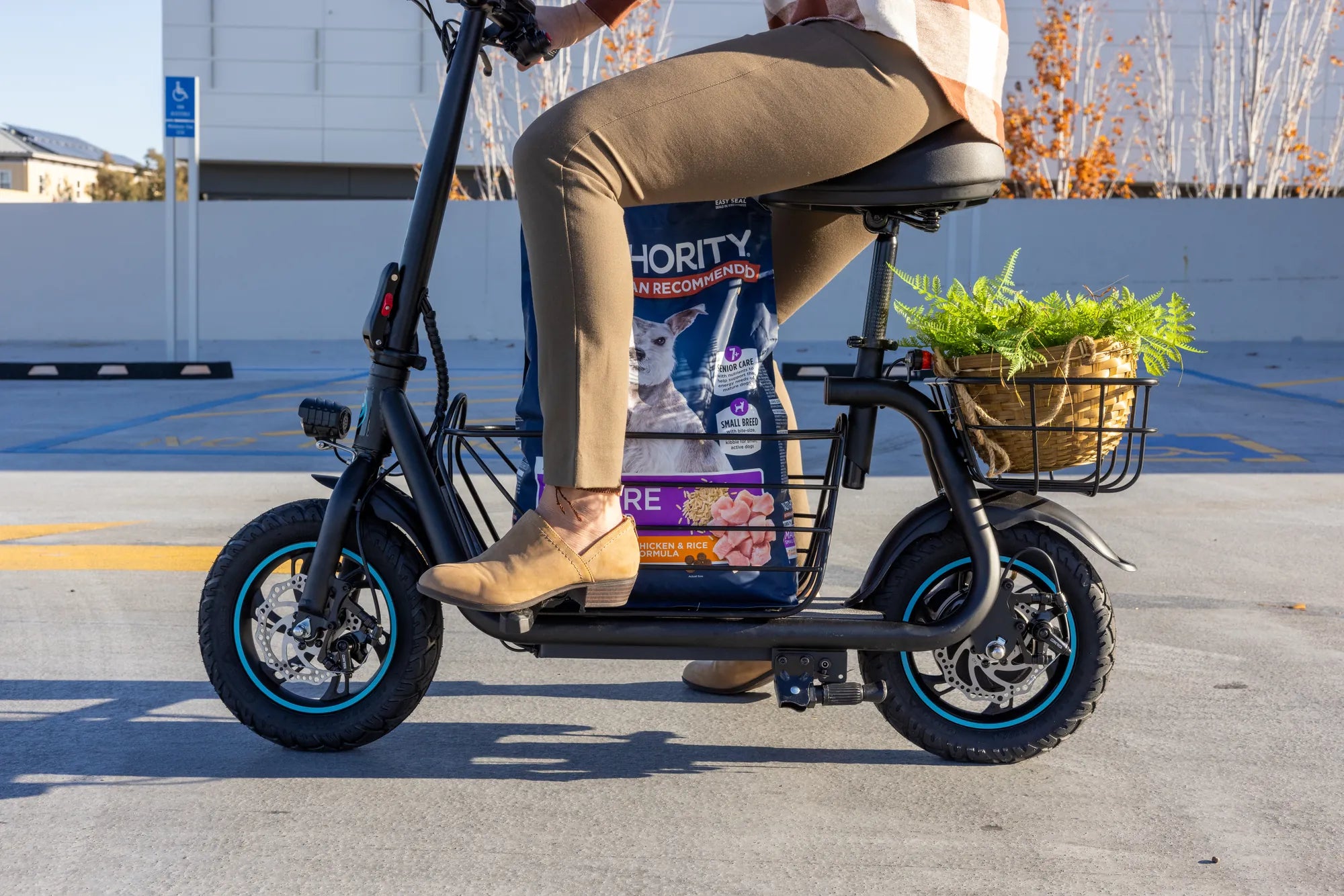
Imagine gliding effortlessly down the road on your trike bike, the wind in your hair and a smile on your face—all thanks to the silent power of an electric motor. Whether you're commuting, running errands, or simply enjoying a leisurely ride, an electric motor for trike bike can revolutionize your cycling experience. But with so many options available, how do you choose the right one? This guide will walk you through everything you need to know to make an informed decision.
Why Choose an Electric Motor for Your Trike Bike?
Electric motors for trike bikes offer a host of benefits that make them an attractive option for riders of all ages and abilities. Here are just a few reasons to consider upgrading your trike:
- Effortless Riding: Say goodbye to strenuous pedaling, especially on hills or long distances.
- Extended Range: Cover more ground without exhaustion, perfect for commuting or touring.
- Eco-Friendly: Reduce your carbon footprint with a clean, energy-efficient mode of transportation.
- Accessibility: Ideal for riders with mobility challenges or those recovering from injuries.
Types of Electric Motors for Trike Bikes
Not all electric motors are created equal. Understanding the different types will help you find the perfect match for your trike bike.
Hub Motors
Hub motors are integrated into the wheel hub, either front or rear, and are known for their simplicity and reliability. They come in two varieties:
- Geared Hub Motors: Compact and lightweight, these motors provide excellent torque for hill climbing.
- Direct Drive Hub Motors: Quieter and more durable, but heavier and less efficient on steep inclines.
Mid-Drive Motors
Mid-drive motors are mounted near the bike's crankset and leverage the trike's gears for optimal performance. They excel in:
- Efficiency: Better battery life due to optimized power delivery.
- Balance: Central placement improves weight distribution for a smoother ride.
Key Considerations When Choosing an Electric Motor
Selecting the right electric motor for your trike bike involves evaluating several factors:
Power and Performance
Motor power, measured in watts (W), determines how much assistance you'll get. Common options include:
- 250W: Suitable for flat terrain and light assistance.
- 500W: Ideal for moderate hills and longer commutes.
- 750W+: Best for heavy loads or steep inclines.
Battery Life and Range
The battery is the heart of your electric trike. Consider:
- Capacity: Measured in watt-hours (Wh), higher capacity means longer range.
- Charging Time: Faster charging batteries are convenient but may cost more.
Weight and Compatibility
Ensure the motor and battery are compatible with your trike's frame and weight capacity. Heavier systems may require reinforced frames.
Installation and Maintenance Tips
Proper installation and upkeep are crucial for maximizing your electric motor's lifespan and performance.
- Professional Installation: If you're not mechanically inclined, consider hiring a professional.
- Regular Checks: Inspect wiring, connections, and tire pressure frequently.
- Battery Care: Store in a cool, dry place and avoid complete discharges.
Legal and Safety Considerations
Before hitting the road, familiarize yourself with local regulations regarding electric trike bikes. Common rules include:
- Speed Limits: Many regions cap electric bike speeds at 20-28 mph.
- Helmet Laws: Some areas require helmets for electric bike riders.
- Licensing: High-powered motors may require registration or a license.
Ready to experience the freedom and convenience of an electric motor for your trike bike? With the right setup, you'll enjoy smoother rides, longer adventures, and a greener way to explore the world around you. Don't wait—your next great ride is just a motor away!
Electric Bike for Kids Buying Guide: Everything You Need to Know
Electric Bike for Kids Buying Guide: Everything You Need to Know