


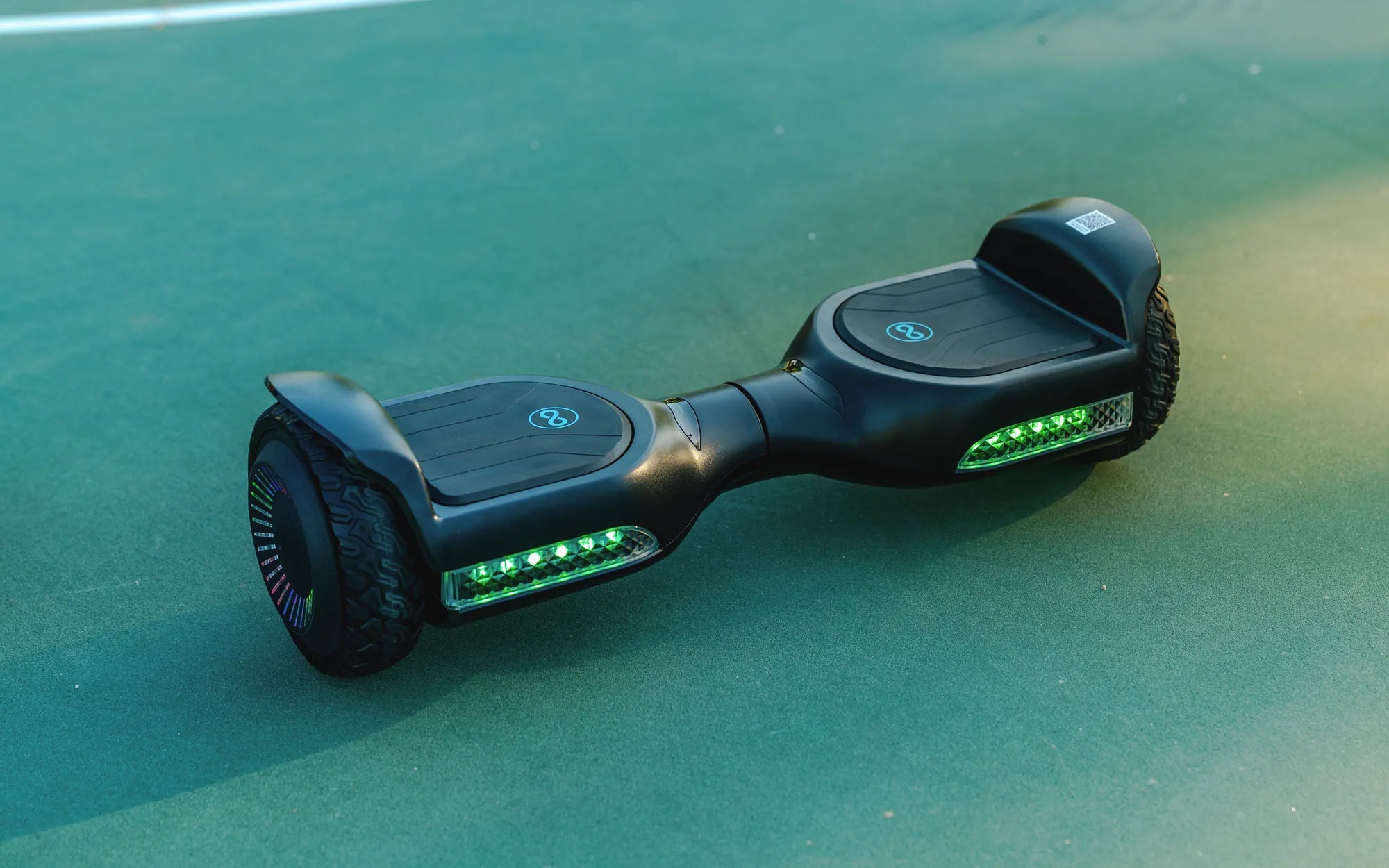
Introduction: The Rise of Electric Power Scooters for Kids
Choosing the right electric power scooter for kids is a decision that blends excitement with responsibility. These modern vehicles offer more than just a ride; they are a gateway to outdoor activity, skill development, and independent fun. This guide provides the data and insights you need to make an informed choice, prioritizing safety without compromising on the thrill. We'll explore critical features, compare specifications, and highlight how brands like Gyroor—trusted by over 100,000 riders—set the standard for secure, durable designs.
Why Choose an Electric Scooter for Your Child?
An electric scooter is a multifaceted tool for childhood development. It encourages physical activity away from screens, promoting hours of healthy outdoor play. Riding builds core strength, improves balance, and enhances gross motor skills and coordination in a dynamic, engaging way.
It also fosters a sense of independence and confidence. Mastering speed controls and navigating a path provides achievable challenges and rewards. Furthermore, it can be a social activity, encouraging group rides and shared adventures in safe, supervised environments.
Compared to traditional scooters or bikes, a well-chosen electric power scooter for kids offers controlled excitement. With adjustable speed limits and robust safety features, parents can tailor the experience to their child's skill level, ensuring fun grows with competence.
Key Safety Features Every Parent Must Look For
Safety is the non-negotiable foundation of any kids' electric scooter. Prioritizing these engineering features separates quality products from mere toys.
UL-Certified Battery & Safe Charging
The battery is the heart of the scooter and its most critical safety component. A UL-certified lithium-ion battery pack, like those used in Gyroor scooters, has undergone rigorous independent testing for overcharge protection, short-circuit prevention, and thermal stability. This certification drastically reduces fire risk.
Safe charging practices are equally vital. Always use the manufacturer-provided charger and avoid leaving the scooter to charge unattended or overnight. A quality scooter's battery management system (BMS) will automatically stop charging when full, but parental vigilance is key.
Speed Modes and Parental Controls
Multiple speed modes are essential for a safe learning curve. A beginner mode (e.g., 5-7 mph) allows a child to gain confidence, while intermediate and advanced modes can be unlocked as their skills progress. This controlled acceleration prevents sudden, unexpected surges of speed.
Effective braking is the counterpart to speed control. Look for a combination of braking systems, such as an electronic brake paired with a rear foot brake or a disc brake. This redundancy ensures reliable stopping power in different conditions.
Build Quality and Water Resistance
A sturdy, aluminum-alloy frame can withstand the bumps and jumps of active play. Tire choice matters too: air-filled (pneumatic) tires offer better shock absorption on rough surfaces, while solid honeycomb tires eliminate the risk of flats.
An IPX5 water-resistance rating, a standard on Gyroor models, means the scooter can withstand water jets from any direction. This allows for safe riding on damp pavement or through puddles, protecting the electrical components from moisture damage and extending the scooter's lifespan.
How to Select the Perfect Electric Scooter: A Buyer's Checklist
Use this actionable checklist to match a scooter's specifications to your child's needs and your family's lifestyle.
Age, Weight, and Height Recommendations
Manufacturer guidelines are the best starting point. Scooters are engineered for specific weight ranges and physical sizes. The following table provides a general framework for matching scooter types to age groups:
| Age Group | Recommended Motor Power | Typical Max Speed | Key Features Focus |
|---|---|---|---|
| 5-8 years | 80W - 120W | 6-9 mph | Beginner speed mode, wide deck, lower handlebars, maximum stability |
| 8-12 years | 120W - 200W | 10-13 mph | 2-3 speed modes, improved range, better hill-climbing ability |
| 12+ years | 200W - 350W | 13-16 mph | Higher power for inclines, longer range, more advanced braking systems |
Always verify the scooter's maximum load capacity exceeds your child's weight. The deck size should also allow them to stand comfortably with feet shoulder-width apart.
Motor Power and Range: Balancing Fun with Practicality
Motor wattage determines torque and hill-climbing ability. A 120W motor is sufficient for flat sidewalks, while a 200W+ motor is better for gentle inclines or grassy park paths. Higher wattage does not inherently mean less safe if speed is governed by parental controls.
Battery range, measured in miles per charge, dictates adventure length. A 6-8 mile range is typical for many kids' models, suitable for 45-60 minutes of intermittent riding. Consider your child's riding habits—longer ranges require larger, often heavier, battery packs.
Portability, Warranty, and Support
A foldable design is a significant convenience for storage in a closet or transport in a car trunk. Check the folding mechanism for ease of use and secure locking when unfolded.
A comprehensive warranty is a direct reflection of the manufacturer's confidence in their product. Look for at least a 1-year warranty on the frame, motor, and battery, like the coverage offered by Gyroor. Accessible, knowledgeable customer support for troubleshooting is invaluable for long-term peace of mind.
The Gyroor Difference: Engineered for Young Riders
Gyroor applies its expertise in personal electric transportation directly to the youth market. Their approach centers on building parental trust through verifiable safety engineering and durable construction.
Every Gyroor kids' scooter is powered by a UL-certified battery pack, tested for over 500 charge cycles. This addresses the foremost safety concern head-on. The IPX5 water-resistant rating is not an afterthought but a standard feature, ensuring splashes and light rain don't end the fun or compromise the scooter.
This commitment extends to structural integrity. From reinforced stems to reliable braking assemblies, the focus is on withstanding real-world use. Coupled with a clear 1-year warranty and support network, it creates a complete package where safety, fun, and longevity are designed in tandem.
Essential Safety Gear and Riding Rules
The safest scooter is ineffective without proper rider preparation. This gear is mandatory, not optional.
A properly fitted CPSC-certified bicycle helmet is the absolute minimum. For beginners, a full set of knee pads, elbow pads, and wrist guards is highly recommended. Sturdy, closed-toe shoes are essential for secure footing and protection.
Establish clear riding rules before the first ride. These should include: riding only in supervised, pedestrian-safe areas like driveways, parks, or sidewalks (where legal and safe); never on public roads. Limit riding to daylight hours with good visibility. Actively scan for and avoid obstacles like cracks, gravel, and wet leaves.
Maintenance Tips to Ensure Longevity and Safety
Simple, regular maintenance keeps the scooter safe and extends its life. Before each ride, perform a quick check: ensure tires are properly inflated (for pneumatic tires) or undamaged (for solid tires), test that brakes engage firmly, and check that the folding mechanism (if present) is securely locked.
After riding on wet surfaces, wipe down the scooter with a dry cloth. While IPX5 rating protects the electronics, drying the frame and deck prevents corrosion and keeps grip tape effective. Store the scooter in a dry, temperate place, avoiding extreme cold or heat which can stress the battery.
For battery care, avoid draining it completely. Try to recharge after use, and if storing for more than a month, charge it to about 50-60% capacity. This practice helps maintain battery health over its entire lifespan.
Frequently Asked Questions (FAQ)
What is the right age for a child's electric scooter?
Most manufacturers recommend ages 6-8 as a starting point, depending on the child's coordination, maturity, and physical size. The key is their ability to understand and follow safety rules, balance confidently, and operate the controls. Always refer to the specific model's age and weight guidelines.
Are Gyroor electric scooters safe for beginners?
Yes. Gyroor designs its youth models with beginners in mind. Features like multiple speed modes (starting with a slow beginner setting), stable deck designs, and responsive braking systems allow new riders to learn in a controlled, confidence-building manner. The foundational safety features like UL-certified batteries provide essential protection from the start.
How long does the battery last, and what's the charge time?
Battery life per charge varies by model and riding conditions (weight, terrain, speed). Typically, a Gyroor kids' scooter offers 6-10 miles of range. The battery itself is designed for 500+ charge cycles over years of use. Full charge time is usually between 3-5 hours using the included smart charger.
Can the scooter handle slight inclines or grass?
Scooters with motors of 150W or higher can generally handle gentle slopes and dry, flat grass. However, performance will be reduced compared to pavement. Riding on grass drains the battery faster and requires more power. It's best for occasional, supervised use rather than as a primary surface.
What does the warranty cover?
Gyroor's standard warranty typically covers defects in materials and workmanship for one year from the date of purchase. This includes the frame, motor, and battery. It's crucial to register your product and understand the warranty terms, which do not cover damage from accidents, misuse, or unauthorized modifications.
Conclusion: Empowering Safe Adventures
Selecting the right electric power scooter for kids is an investment in joyful, active childhood memories. By prioritizing verified safety features like UL-certified batteries, robust construction, and adjustable controls, you provide a platform for fun that grows with your child. Pairing a quality scooter with consistent safety rules and gear transforms a simple ride into a valuable developmental activity. For a range of scooters built on these core principles of safety and durability, explore the options designed for young adventurers. Browse the full Gyroor collection at gyroorboard.com to find the perfect match for your child's next adventure.
Baby Scooter for Kids: The Ultimate Guide to Choosing the Perfect Ride
Back to School Gift for Kids: Creative and Practical Ideas to Start the Year Right