



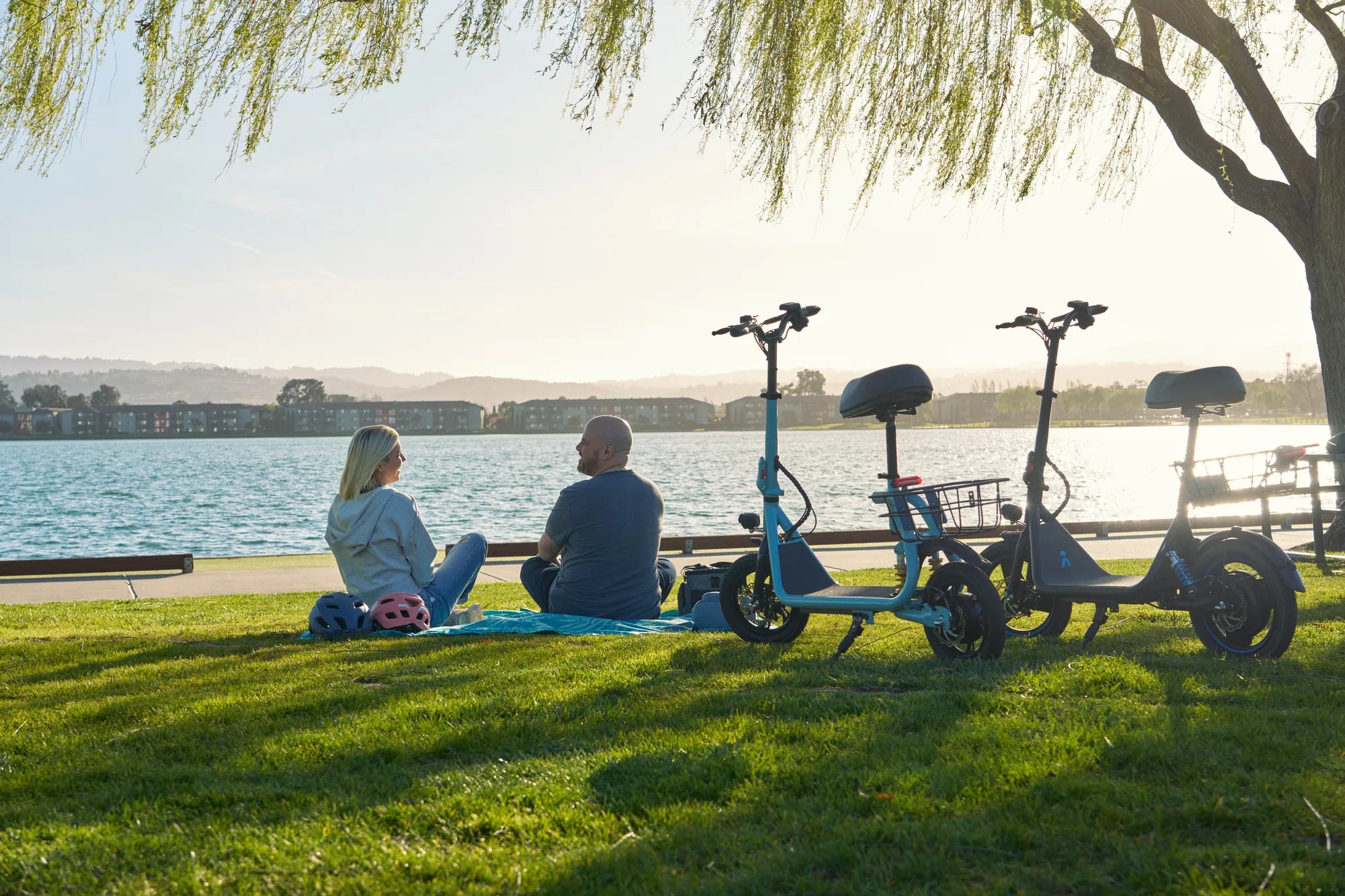
The electric scooter and battery market is booming, driven by a global shift toward sustainable urban mobility. As cities become more congested and environmental concerns grow, these compact, efficient vehicles are emerging as a preferred solution for short-distance travel. But what exactly is fueling this rapid growth, and how are battery technologies evolving to meet demand? Let’s dive into the key trends reshaping this dynamic industry.
Rising Demand for Eco-Friendly Transportation
Urbanization and climate change are pushing governments and consumers alike to adopt greener alternatives to traditional gasoline-powered vehicles. Electric scooters offer a low-emission, cost-effective way to navigate crowded city streets, making them an attractive option for commuters. Cities worldwide are investing in infrastructure like dedicated bike lanes and charging stations to support this shift.
Advancements in Battery Technology
The heart of any electric scooter is its battery, and recent innovations are making them more efficient than ever. Lithium-ion batteries dominate the market due to their high energy density and longer lifespan. However, researchers are exploring next-generation options like solid-state batteries, which promise faster charging times and improved safety. These advancements could further accelerate the adoption of electric scooters.
Government Policies and Incentives
Many countries are introducing subsidies and tax incentives to encourage the use of electric scooters. For example, some regions offer rebates for purchasing e-scooters or installing home charging units. Additionally, stricter emissions regulations are phasing out gas-powered vehicles, creating a favorable environment for electric alternatives.
The Role of Shared Mobility Services
Shared electric scooter programs have exploded in popularity, particularly in urban areas. These services provide a convenient, on-demand transportation option, reducing the need for private car ownership. As the sharing economy grows, so does the demand for durable, high-performance scooters with swappable batteries to minimize downtime.
Sustainability and Recycling Challenges
While electric scooters are greener than their gas counterparts, battery disposal remains a concern. Companies are investing in recycling programs to reclaim valuable materials like lithium and cobalt. Innovations in battery design are also focusing on recyclability, ensuring that the industry’s growth doesn’t come at the expense of the environment.
Future Outlook: Smart and Connected Scooters
The next wave of electric scooters will likely integrate IoT technology, enabling features like real-time diagnostics, GPS tracking, and over-the-air updates. These smart scooters could revolutionize urban mobility by offering seamless connectivity and enhanced safety features. As battery technology continues to evolve, we can expect even longer ranges and shorter charging times.
The electric scooter and battery market is poised for exponential growth, driven by innovation, sustainability, and changing consumer preferences. Whether you’re a commuter, an investor, or simply curious about the future of transportation, now is the time to pay attention to this rapidly evolving industry.
Electric Scooter 500W Product Info and Reviews: The Ultimate Guide
Electric Scooter 500W Product Info and Reviews: The Ultimate Guide