



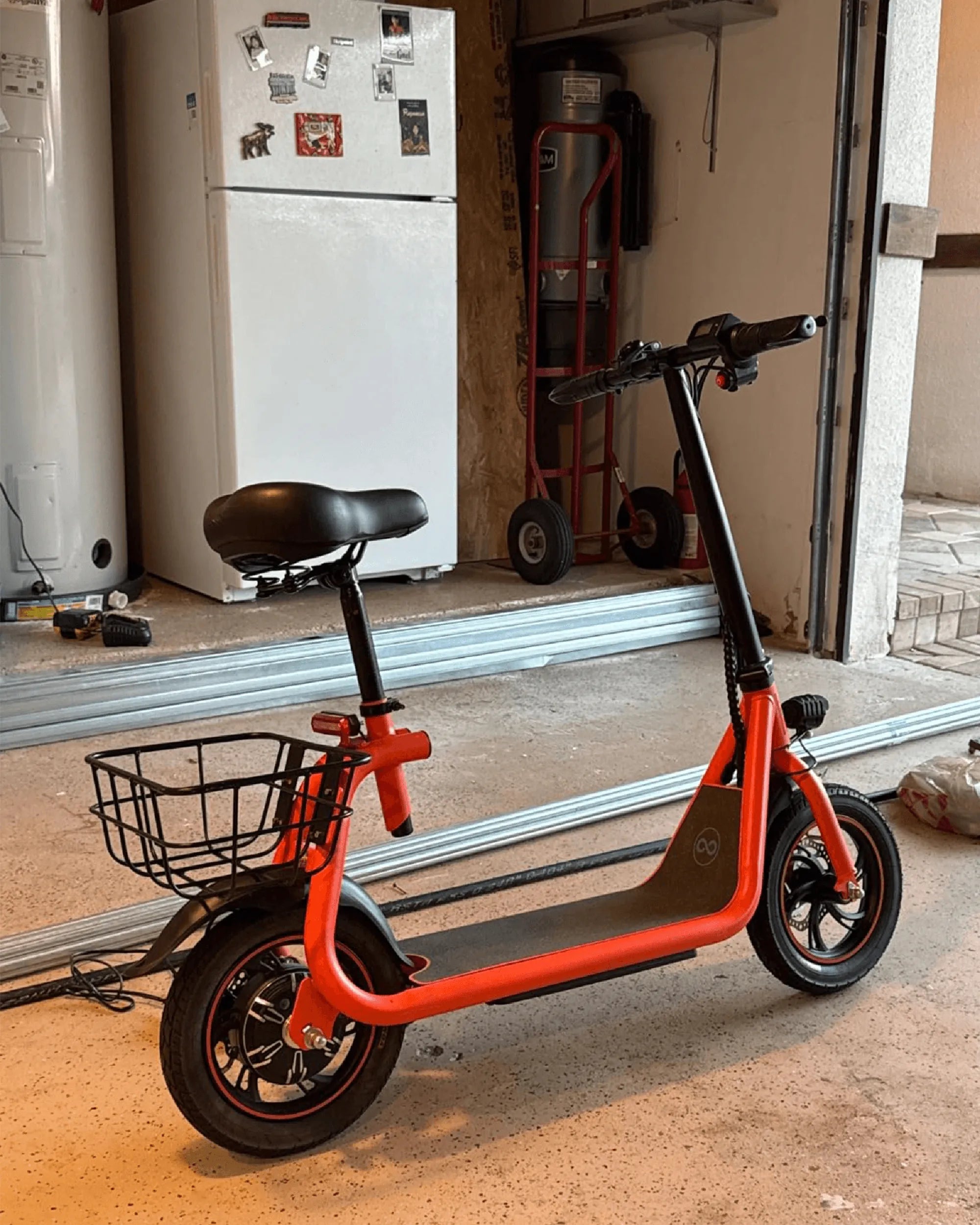
Electric scooters have revolutionized urban mobility, offering a convenient and eco-friendly way to navigate busy streets. But no matter how advanced your scooter is, its safety hinges on one critical component: the brake system. Understanding electric scooter brake parts is essential for ensuring a smooth, secure ride every time. Whether you're a daily commuter or a weekend rider, this guide will equip you with the knowledge to keep your scooter in top shape.
Types of Electric Scooter Brake Systems
Electric scooters typically feature one or more of the following brake systems:
- Disc Brakes: Known for their powerful stopping ability, disc brakes use a rotor and caliper to create friction.
- Drum Brakes: Enclosed within the wheel hub, drum brakes are low-maintenance and resistant to weather conditions.
- Regenerative Brakes: These brakes convert kinetic energy back into battery power, extending your scooter's range.
- Foot Brakes: A simple mechanical option where the rider presses down on the rear fender to slow down.
Key Brake Parts and Their Functions
Each brake system consists of several components working together to ensure safe deceleration. Here’s a breakdown of the most critical parts:
Brake Pads
Brake pads are the replaceable friction material that presses against the rotor or drum to slow the scooter. Over time, they wear down and require replacement to maintain optimal performance.
Rotors (Disc Brakes)
The rotor is a metal disc attached to the wheel. When the brake lever is engaged, the caliper clamps the brake pads onto the rotor, creating friction to stop the scooter.
Calipers
Calipers house the brake pads and are responsible for squeezing them against the rotor. Hydraulic calipers use fluid pressure, while mechanical ones rely on cables.
Brake Cables (Mechanical Systems)
In mechanical brake systems, cables transmit the force from the brake lever to the caliper or drum. Regular inspection is crucial to prevent fraying or snapping.
Drum Brake Assembly
Drum brakes consist of shoes that press outward against the inner surface of the drum. They are durable but can overheat during prolonged use.
Signs Your Brake Parts Need Attention
Ignoring brake issues can lead to dangerous situations. Watch out for these warning signs:
- Squeaking or grinding noises when braking
- Reduced stopping power or longer braking distances
- Spongy or loose brake levers
- Visible wear on brake pads or rotors
Maintenance Tips for Long-Lasting Brakes
Proper care can extend the life of your electric scooter brake parts and ensure consistent performance:
- Clean Regularly: Dirt and debris can reduce braking efficiency. Wipe down rotors and pads with a clean cloth.
- Check for Wear: Inspect brake pads every few months and replace them if they’re thinner than 1.5mm.
- Lubricate Cables: Apply lubricant to brake cables to prevent stiffness and corrosion.
- Avoid Overheating: Descend hills at a controlled speed to prevent brake fade.
Upgrading Your Brake System
If you’re looking to enhance your scooter’s braking performance, consider upgrading to higher-quality parts. Larger rotors, sintered brake pads, or hydraulic systems can significantly improve stopping power.
Your electric scooter’s brake system is its lifeline—don’t take it for granted. By understanding the parts, recognizing warning signs, and performing regular maintenance, you’ll enjoy a safer, smoother ride every time. Whether you're cruising through the city or tackling steep hills, reliable brakes are the key to confidence on two wheels.
Electric Scooter for Heavy Adults 350 lbs: The Ultimate Guide to Safe and Reliable Rides
What Is the Fastest Electric Scooter in the World? Top Speedsters Revealed