


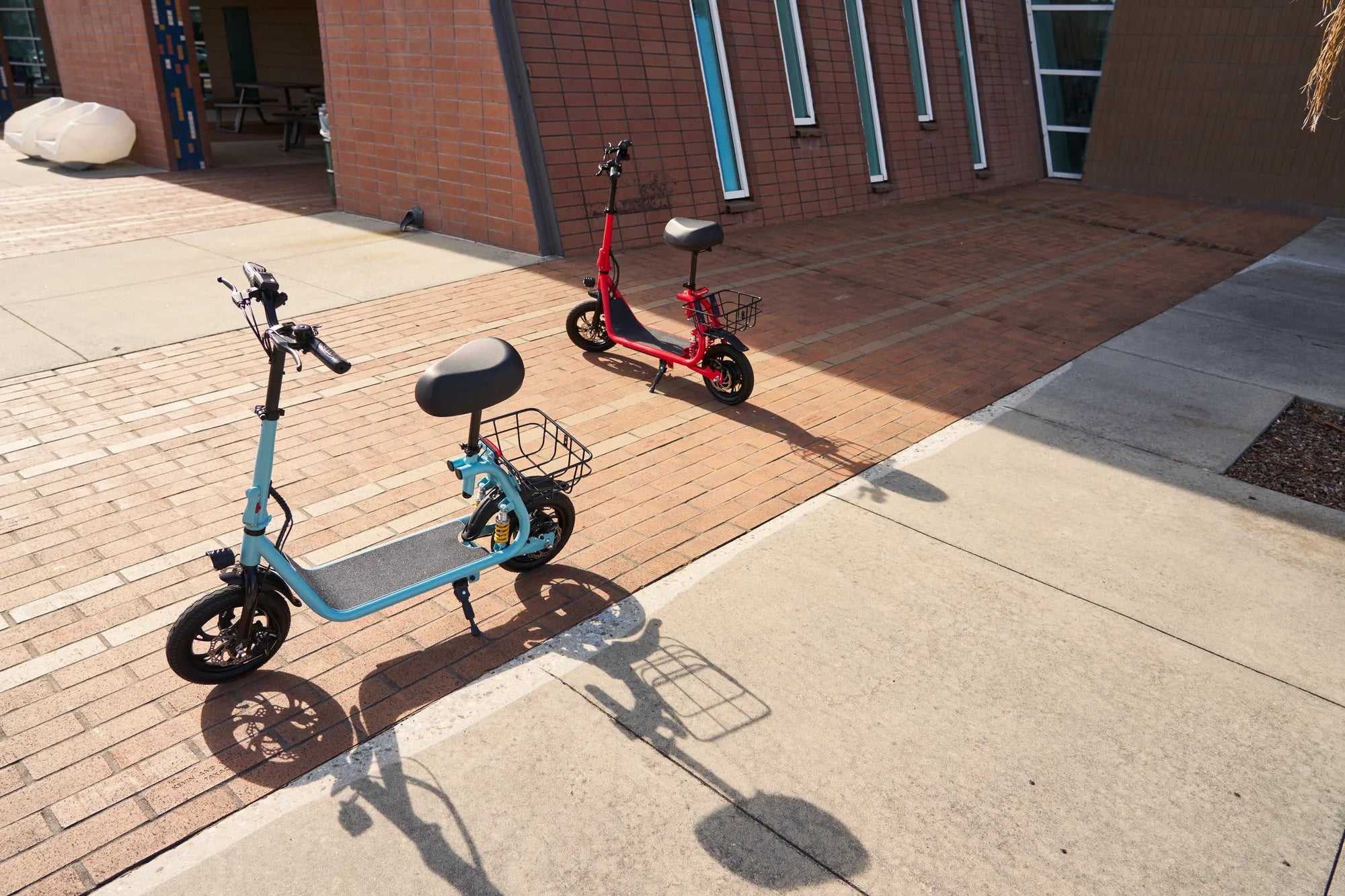
Electric scooters have revolutionized urban mobility, offering a fast, eco-friendly, and cost-effective way to navigate crowded streets. However, as their popularity grows, so do concerns about electric scooter charging safety. A single misstep in charging habits can lead to fires, battery damage, or even personal injury. Whether you're a daily commuter or an occasional rider, understanding how to charge your scooter safely is non-negotiable.
Why Electric Scooter Charging Safety Matters
Lithium-ion batteries, which power most electric scooters, are highly efficient but also sensitive to improper handling. Overcharging, using incompatible chargers, or exposing the battery to extreme temperatures can cause overheating, swelling, or even combustion. Recent incidents involving battery fires have highlighted the importance of following proper charging protocols.
Best Practices for Safe Charging
Use the Right Charger
Always use the manufacturer-recommended charger for your electric scooter. Third-party chargers may not match the required voltage and current specifications, increasing the risk of overheating or short circuits.
Avoid Overcharging
Leaving your scooter plugged in overnight or for extended periods can degrade the battery and pose a fire hazard. Most modern scooters have built-in protection circuits, but it's still best to unplug once fully charged.
Charge in a Safe Location
Never charge your scooter near flammable materials, in direct sunlight, or in extremely cold environments. A well-ventilated, dry area with stable temperatures is ideal.
Inspect Cables and Ports Regularly
Frayed wires, damaged connectors, or corroded charging ports can lead to electrical faults. Replace any compromised components immediately.
Common Charging Mistakes to Avoid
- Using fast chargers excessively: While convenient, frequent fast charging can reduce battery lifespan.
- Charging immediately after a ride: Allow the battery to cool down before plugging it in.
- Ignoring warning signs: Unusual heat, strange odors, or swelling batteries require immediate attention.
What to Do in Case of a Charging Emergency
If you notice smoke, sparks, or excessive heat while charging, unplug the scooter immediately and move it to a safe outdoor area if possible. Do not attempt to extinguish a lithium battery fire with water—use a Class D fire extinguisher instead.
Long-Term Battery Care
To maximize your scooter's battery life, avoid draining it completely before recharging. Storing the scooter with a 40-60% charge in a cool, dry place is ideal for prolonged periods of inactivity.
Electric scooter charging safety isn't just about avoiding accidents—it's about ensuring your ride remains reliable for years to come. By following these guidelines, you can enjoy the convenience of your scooter without compromising on safety. Remember, a few simple precautions today can prevent costly and dangerous mishaps tomorrow.
Electric Scooter Capacity: How Much Can It Handle and Why It Matters
25 cc Electric Scooter: The Ultimate Guide to Eco-Friendly Urban Commuting