

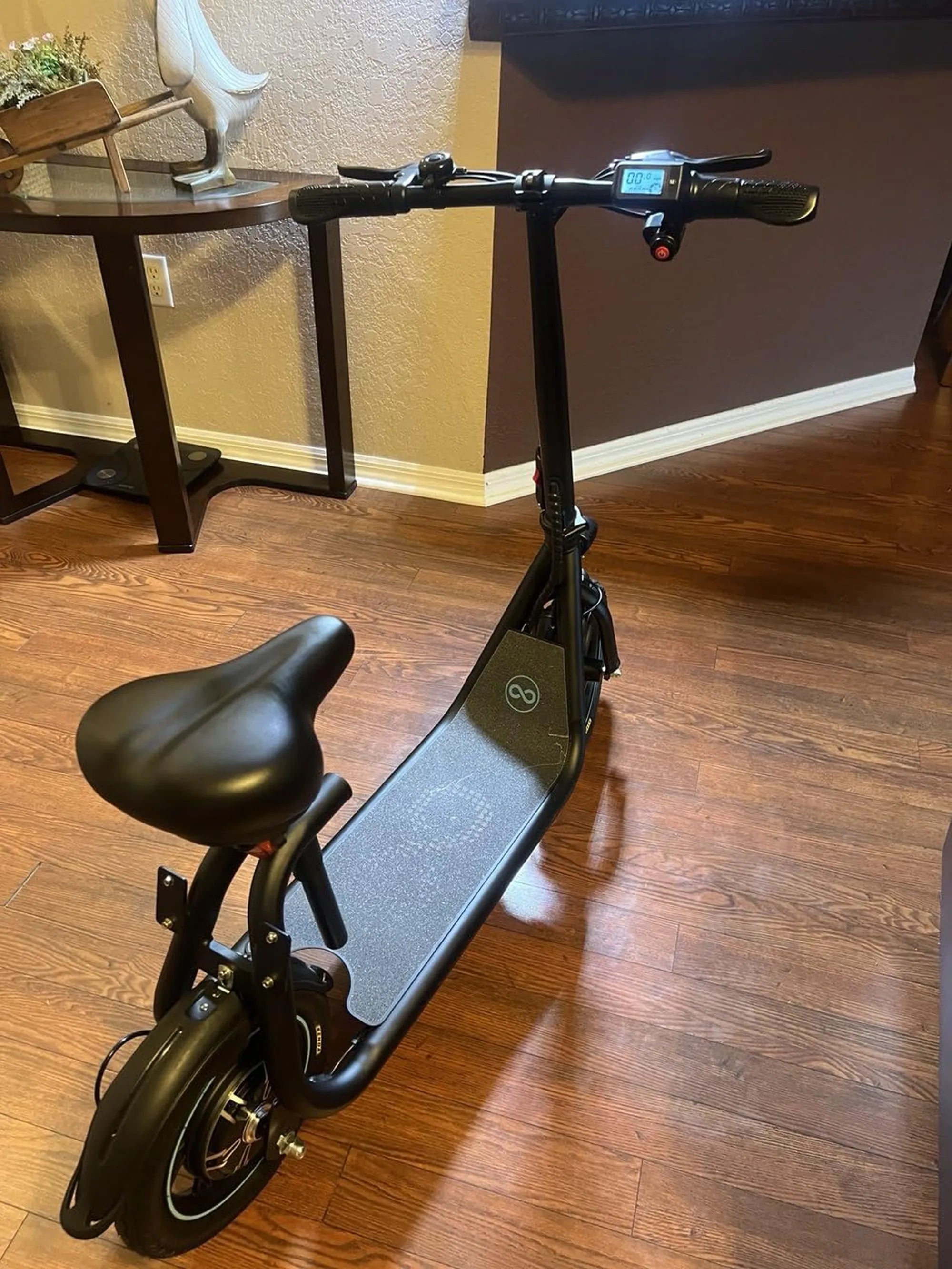
Ever wondered what makes your electric scooter zoom effortlessly down the street? The answer lies in a small but mighty component: the electric scooter controller. This unsung hero is the brain of your ride, ensuring smooth acceleration, precise braking, and optimal performance. Whether you're a daily commuter or a weekend adventurer, understanding how this device works can elevate your riding experience.
What Is an Electric Scooter Controller?
The electric scooter controller is the central hub that manages power distribution between the battery, motor, and other electronic components. It interprets signals from the throttle, brake, and sensors to deliver the right amount of power to the motor. Without it, your scooter wouldn't move an inch.
How Does an Electric Scooter Controller Work?
Think of the controller as a traffic cop for electricity. When you press the throttle, it sends a signal to the controller, which then regulates the voltage and current from the battery to the motor. Advanced controllers also handle regenerative braking, speed limits, and even diagnostic checks to keep your ride safe and efficient.
Key Components of a Controller
- Microprocessor: The brains of the operation, processing inputs and outputs.
- MOSFETs (Metal-Oxide-Semiconductor Field-Effect Transistors): These switches control the flow of electricity to the motor.
- Capacitors and Resistors: Stabilize voltage and current to prevent damage.
- Heat Sink: Dissipates heat to prevent overheating.
Why Is the Controller So Important?
A high-quality electric scooter controller ensures smooth acceleration, consistent speed, and efficient energy use. It also protects the motor and battery from damage caused by voltage spikes or excessive current. In short, it’s the difference between a jerky, unreliable ride and a seamless glide.
Common Issues and Troubleshooting
Even the best controllers can face problems. Here are some common issues and how to address them:
1. Scooter Won’t Start
Check the wiring connections and ensure the battery is charged. A faulty throttle or damaged controller could also be the culprit.
2. Jerky Acceleration
This often points to a misaligned throttle or a failing controller. Inspect the throttle and consider recalibrating or replacing the controller.
3. Overheating
Ensure proper ventilation and avoid overloading the scooter. If the problem persists, the controller may need upgrading.
Maintenance Tips for Your Electric Scooter Controller
To keep your controller in top shape, follow these simple steps:
- Keep it clean and free of dust or moisture.
- Avoid exposing it to extreme temperatures.
- Regularly inspect wiring for fraying or loose connections.
- Use a compatible battery to prevent voltage mismatches.
The Future of Electric Scooter Controllers
As technology advances, controllers are becoming smarter and more efficient. Future innovations may include AI-driven adaptive performance, wireless diagnostics, and even integration with smart city infrastructure. The possibilities are endless, and the humble controller is at the heart of it all.
Ready to unlock the full potential of your electric scooter? Pay attention to the controller—it’s the silent powerhouse that makes every ride smoother, faster, and more enjoyable. Whether you're troubleshooting issues or dreaming of future upgrades, this tiny device holds the key to your scooter's performance.
Electric Scooter Rear Basket: The Ultimate Guide to Convenient Storage Solutions
Electric Scooter 500 lb Capacity: The Ultimate Guide for Heavy-Duty Riders