

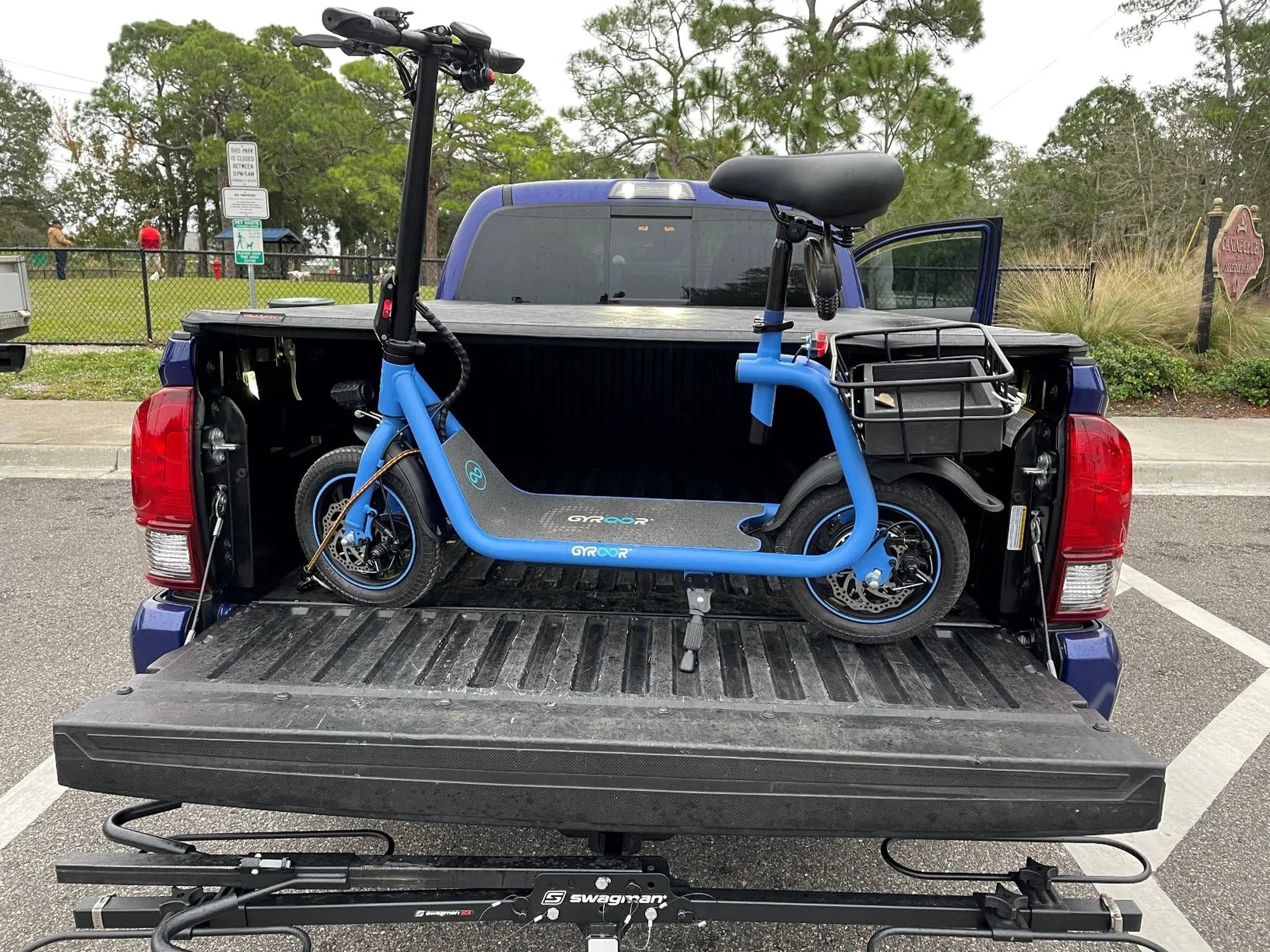
Electric scooters have taken the world by storm, offering a convenient, eco-friendly, and cost-effective way to navigate crowded city streets. But what makes some scooters stand out from the rest? The answer lies in their design. From sleek, minimalist frames to advanced safety features, electric scooter design ideas are constantly evolving to meet the demands of modern commuters. Whether you're a designer, an enthusiast, or simply curious about the future of urban mobility, these innovative concepts will inspire you.
The Importance of Design in Electric Scooters
Design isn't just about aesthetics—it plays a crucial role in the functionality, safety, and overall user experience of electric scooters. A well-designed scooter balances form and function, ensuring that riders enjoy a smooth, efficient, and comfortable ride. Key considerations include weight distribution, ergonomics, and material selection, all of which contribute to performance and durability.
Sleek and Minimalist Aesthetics
One of the most popular trends in electric scooter design is minimalism. Clean lines, uncluttered surfaces, and a focus on simplicity create a visually appealing product that blends seamlessly into urban environments. Lightweight materials like aluminum and carbon fiber are often used to achieve a sleek look without compromising strength. Hidden wiring and integrated lighting further enhance the minimalist aesthetic while improving safety.
Foldable and Portable Designs
Portability is a major selling point for electric scooters, and designers are constantly innovating to make them even more compact. Foldable mechanisms allow riders to easily carry their scooters onto public transportation or store them in tight spaces. Some designs feature quick-release levers or magnetic locks for effortless folding, while others incorporate telescoping stems to reduce bulk. The goal is to make commuting as hassle-free as possible.
Enhanced Safety Features
Safety is a top priority in electric scooter design, and modern models incorporate advanced features to protect riders. Wide, anti-slip decks provide stability, while bright LED lights and reflective strips improve visibility at night. Some scooters even include turn signals and brake lights for added security. Suspension systems and pneumatic tires absorb shocks, ensuring a smooth ride on uneven terrain.
Smart Technology Integration
The integration of smart technology is transforming electric scooters into connected devices. Bluetooth-enabled displays provide real-time data on speed, battery life, and distance traveled. Mobile apps allow riders to lock their scooters remotely, track usage statistics, and even customize performance settings. Some designs even feature built-in GPS for theft prevention and navigation assistance.
Sustainable Materials and Eco-Friendly Designs
As sustainability becomes a growing concern, electric scooter designers are turning to eco-friendly materials. Recycled plastics, bamboo, and biodegradable composites are being used to reduce environmental impact. Solar panels are also being explored as a way to extend battery life. These green design ideas not only appeal to environmentally conscious consumers but also contribute to a cleaner future.
Customizable and Modular Designs
Personalization is another emerging trend in electric scooter design. Modular components allow riders to swap out parts like batteries, wheels, and handlebars to suit their needs. Customizable color schemes and decals give scooters a unique, personalized touch. This flexibility ensures that the scooter grows with the rider, adapting to changing preferences and requirements.
Ergonomic Innovations for Comfort
Long rides can be taxing, which is why ergonomic design is crucial. Adjustable handlebars, padded grips, and shock-absorbing decks reduce fatigue and strain. Some scooters feature seat attachments for those who prefer a more relaxed riding position. These small but impactful design choices make commuting more enjoyable and less physically demanding.
Futuristic and Concept Designs
Looking ahead, designers are experimenting with bold, futuristic concepts that push the boundaries of electric scooter technology. Self-balancing scooters, hover-inspired models, and AI-powered navigation systems are just a few examples of what the future may hold. While some of these ideas are still in the prototype phase, they offer a glimpse into the exciting possibilities of urban mobility.
Electric scooter design is more than just a trend—it's a movement toward smarter, safer, and more sustainable transportation. Whether you're drawn to minimalist aesthetics, cutting-edge technology, or eco-friendly materials, there's no denying the impact of thoughtful design on the riding experience. As cities continue to evolve, so too will the scooters that navigate them, offering endless opportunities for innovation and creativity.
25km Electric Scooter: The Ultimate Guide to Long-Range Commuting
1800 Watt Electric Scooter: The Ultimate Guide to Power and Performance