


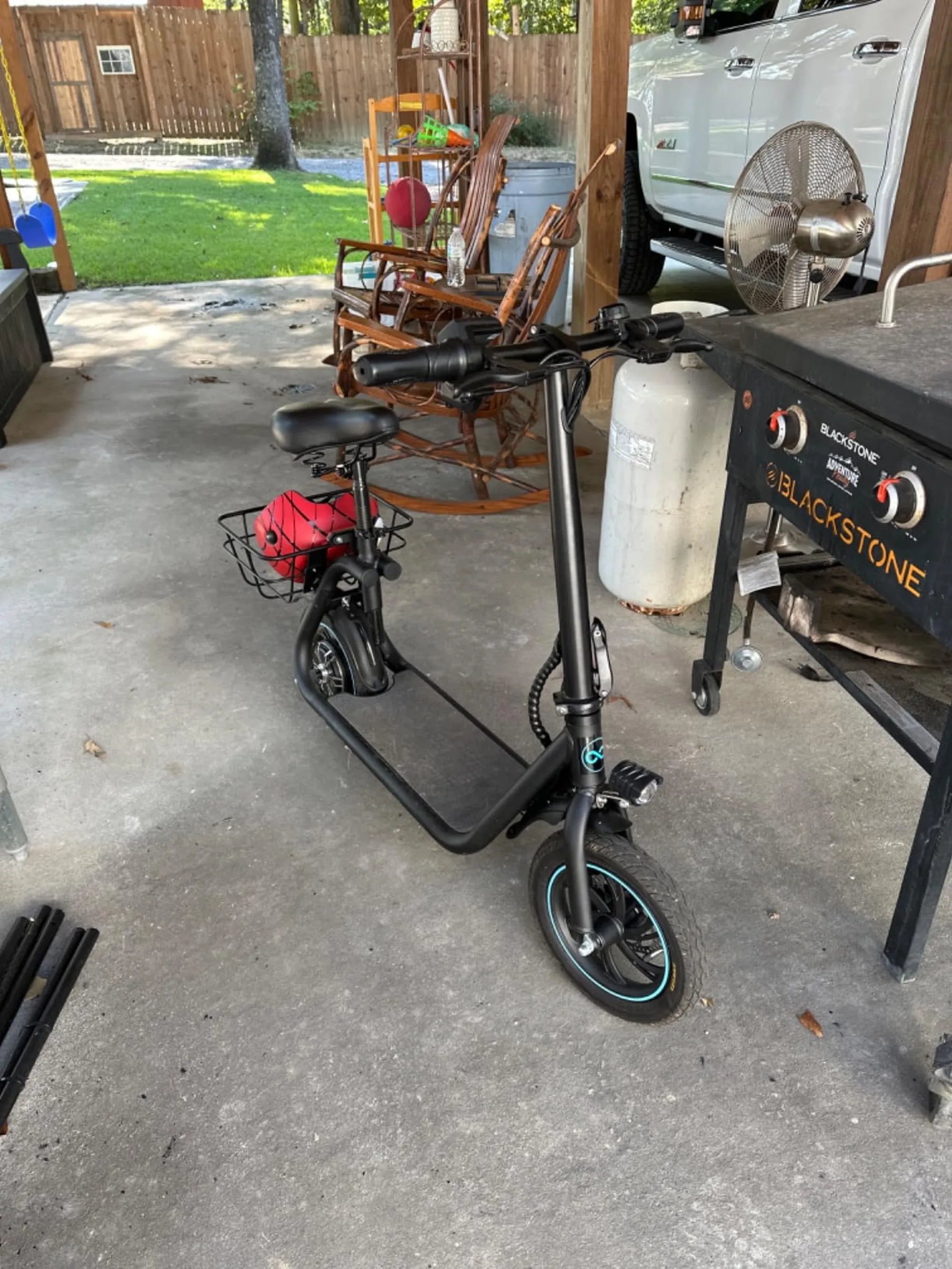
Electric scooters have become a popular mode of transportation for adults, offering convenience, efficiency, and eco-friendly travel. However, one critical component often overlooked is the charger. A reliable electric scooter for adults charger ensures your ride is always ready to go, but how much do you really know about it? Let’s dive into the world of electric scooter chargers and uncover everything you need to keep your scooter running smoothly.
Types of Electric Scooter Chargers
Not all chargers are created equal. Understanding the different types can help you make an informed decision:
- Standard Chargers: These are the most common and come bundled with most electric scooters. They provide a steady charge but may take longer to fully power your scooter.
- Fast Chargers: Ideal for those who need a quick boost, fast chargers reduce charging time significantly. However, they may generate more heat, which could affect battery longevity.
- Portable Chargers: Perfect for on-the-go users, these compact chargers allow you to charge your scooter wherever you have access to an outlet.
How to Choose the Right Charger
Selecting the right charger for your electric scooter involves considering several factors:
- Voltage and Amperage: Always match the charger’s output voltage and amperage to your scooter’s battery specifications. Using an incompatible charger can damage the battery or even pose safety risks.
- Charging Time: If you’re always in a hurry, a fast charger might be appealing. However, weigh the convenience against potential battery wear.
- Portability: Frequent travelers should opt for lightweight, portable chargers that won’t add unnecessary bulk.
Safety Tips for Using Your Charger
Safety should always be a priority when charging your electric scooter:
- Avoid Overcharging: Leaving your scooter plugged in for extended periods can overheat the battery and reduce its lifespan.
- Use Original or Certified Chargers: Third-party chargers may not meet safety standards, increasing the risk of malfunctions.
- Charge in a Well-Ventilated Area: Batteries can emit heat and gases during charging, so ensure proper ventilation to prevent accidents.
Maintaining Your Charger and Battery
Proper maintenance extends the life of both your charger and battery:
- Regular Inspections: Check for frayed wires, loose connections, or other signs of wear on your charger.
- Clean Connectors: Dust and debris can interfere with the charging process. Keep the charger’s connectors clean for optimal performance.
- Store Properly: When not in use, store your charger in a cool, dry place away from direct sunlight.
Troubleshooting Common Charging Issues
Encountering problems with your charger? Here are some common issues and solutions:
- Charger Not Working: Ensure the power outlet is functional and the charger is properly connected. If the issue persists, try a different outlet or charger.
- Slow Charging: This could indicate a failing battery or charger. Test with another charger to identify the culprit.
- Overheating: If your charger gets too hot, unplug it immediately and let it cool down before further use.
Your electric scooter is only as good as its charger. By understanding the types, choosing the right one, and following safety and maintenance tips, you can ensure a seamless and safe riding experience. Don’t let a dead battery slow you down—equip yourself with the knowledge to keep your scooter charged and ready for adventure!
Mobility Scooter Safety Lights: Essential Tips for Enhanced Visibility and Security
Best Electric Dirt Bike Under $3,000: Top Picks and Buying Guide