


Finding the perfect electric scooter for a heavy kid isn't just about fun; it's an engineering challenge with safety at its core. A standard scooter built for a 120-pound rider will struggle, overheat, and potentially fail under the weight of a 180-pound teen, turning a joyful ride into a hazardous one. This guide cuts through the marketing claims to deliver factual, data-driven advice. You'll learn how to decode specifications for real-world performance, understand why certain features are non-negotiable, and discover how to choose a scooter that delivers safety, reliability, and genuine excitement for your child. We'll cover weight capacity, motor power, battery science, and the critical safety systems that make all the difference.
Why Choosing the Right Electric Scooter for Heavy Kids Matters
Selecting an electric scooter for a heavy child requires moving beyond basic age recommendations. The primary concern is structural integrity and performance under load. A scooter operating at or beyond its design limits experiences accelerated wear on motors, batteries, brakes, and frames.
This strain leads to tangible risks: reduced braking distance, potential motor burnout on hills, and frame stress that can compromise handling. The right electric scooter for heavy kids is engineered from the ground up to handle these forces, ensuring that acceleration, braking, and stability remain predictable and safe.
Furthermore, the correct scooter empowers a child with confidence. A underpowered scooter that lags on hills or has a wobbly deck creates an anxious riding experience. A properly specified model provides the responsive control and solid feel that builds riding skill and enjoyment. This is an investment in safe, independent mobility.
Our analysis focuses on specifications that directly correlate with a heavier rider's needs. We prioritize verifiable data—wattage, voltage, amp-hours, and material composition—over vague marketing language. This approach ensures you select a vehicle designed for durability, not just a lightweight toy.
Key Factors to Consider When Buying an Electric Scooter for a Heavy Kid
Purchasing decisions must be rooted in technical specifications. The following factors form a checklist that must be satisfied to guarantee safety and performance for a heavier rider. Ignoring any one can lead to a subpar or unsafe experience.
Weight Capacity and Frame Durability
The stated maximum weight capacity is the absolute minimum starting point. For safety and longevity, choose a scooter rated for at least 20-30% more than your child's current weight. A 180-pound teen should use a scooter with a 220-250 lb capacity.
This buffer accounts for dynamic loads—the extra force exerted when going over bumps or braking hard. The frame material is equally critical. Look for aerospace-grade aluminum alloy or reinforced steel constructions. These materials resist flexing and fatigue, maintaining precise steering geometry and deck stability.
Inspect the design of the stem folding mechanism and the deck connection points. These are high-stress areas; robust locking mechanisms and reinforced welding are indicators of a scooter built for heavier use. A wobbly stem is a major safety red flag.
Brands like Gyroor engineer their frames with these higher dynamic loads in mind, often utilizing double-walled or reinforced deck designs to distribute weight evenly and prevent cracking or deformation over time.
Motor Power and Hill Climbing Ability
Motor wattage is the primary determinant of torque, which translates to acceleration and hill-climbing power. For riders over 150 lbs, a 300W motor is often the bare minimum for flat ground. For consistent performance on moderate inclines (5-10% grades), a 500W or higher motor is strongly recommended.
A powerful motor isn't just about top speed; it's about maintaining a safe, consistent speed under load. An underpowered motor will strain, overheat, and slow dramatically on hills, potentially causing a loss of control. It also drains the battery faster.
Consider the motor type. Hub motors are common and provide direct drive to the wheel. Dual-motor setups (e.g., 500W x2) offer exceptional torque for steep hills and heavier riders but consume more battery. The key metric is "rated" or "continuous" power, not peak power.
For context, a quality 500W motor can typically propel a 200 lb rider up a 10% grade at a manageable speed, while a 250W motor might struggle to move at all. Always check the manufacturer's hill-climb specification if provided.
Battery Life, Range, and Real-World Performance
Advertised range is calculated under ideal laboratory conditions with a lightweight rider. Weight has a profound inverse relationship with range. A scooter claiming a 15-mile range for a 150 lb rider may only achieve 8-10 miles for a 220 lb rider.
To compensate, analyze the battery's voltage (V) and capacity (Ah). A higher voltage system (36V or 48V) paired with a larger capacity (e.g., 10Ah or higher) will deliver more power and better sustain voltage under load, preventing significant speed drop-off as the battery depletes.
Battery safety is paramount. Insist on UL-certified battery packs, like those used by Gyroor. These have undergone rigorous testing for overcharge, short circuit, and thermal stability. A quality battery rated for 500+ charge cycles will provide years of reliable service.
Teach proper battery care: avoid full discharges, store in a cool, dry place, and use the provided charger. This maximizes lifespan and maintains the scooter's real-world range, ensuring the scooter remains ready for adventure.
Wheel Size, Tire Type, and Suspension
Larger wheels (8.5 inches and above) roll over cracks and debris more easily than smaller wheels, providing greater stability and comfort for a heavier rider. They also reduce the risk of getting stuck or causing a forward pitch.
Tire type is critical. Pneumatic (air-filled) tires offer superior shock absorption and traction compared to solid rubber tires. They smooth out rough pavement, reducing vibration transferred to the frame and rider. However, they require occasional pressure checks.
Suspension is not a luxury for heavier kids; it's a key component of control and durability. A front or dual spring suspension system absorbs impact energy that would otherwise jolt the rider and stress the scooter's frame, welds, and electronics.
A well-suspended scooter maintains better tire contact with the ground, improving braking and cornering stability. This combination of larger pneumatic tires and suspension creates a planted, confident ride that handles real-world terrain safely.
Braking System and Safety Features
Stopping power must match the increased momentum of a heavier rider. Dual braking systems are essential. The most effective combination is a disc brake (front or rear) paired with an electronic (regenerative) brake or a second mechanical brake.
Disc brakes provide consistent, powerful stopping in all weather conditions. Electronic brakes help slow the scooter and can recharge the battery slightly. A rear fender foot brake is a good secondary backup but should not be the primary brake for a heavy rider.
Essential electronic safety features include multiple speed modes. A beginner mode (e.g., 7 mph) is crucial for learning, with the ability to unlock higher speeds as skill improves. Bright LED headlights and taillights, plus reflective elements, are mandatory for visibility.
Additional features like an IPX5 water-resistance rating, like those found on Gyroor scooters, protect the electronics from puddles and light rain, expanding where and when the scooter can be safely ridden. Always verify the scooter's safety certifications.
Top Recommended Electric Scooter Features for Heavier Riders
Synthesizing the key factors, here is a checklist of ideal specifications for an electric scooter for heavy kids. Use this as your benchmark when comparing models.
- Weight Capacity: Minimum 220 lbs, with a preference for 250+ lbs.
- Motor Power: 500W continuous power or higher for reliable hill climbing.
- Battery System: 36V/10Ah or larger, with UL-certified cells.
- Frame: Reinforced aluminum alloy construction, no stem wobble.
- Wheels & Suspension: 8.5"+ pneumatic tires with front or dual suspension.
- Brakes: Dual braking system (disc + electronic/mechanical).
- Safety: 3-speed modes, bright lights, IPX4/5 water resistance.
- Warranty: Minimum 1-year comprehensive warranty.
Models that meet these criteria are designed as legitimate personal transportation devices, not toys. They represent an engineering commitment to safety under load, ensuring every component from the deck to the controller is rated for the task.
Why Gyroor Scooters Are Engineered for Confidence
Gyroor designs its electric scooters with a focus on real-world durability and safety, making them a strong contender for families with heavier children. Their philosophy centers on robust components that exceed basic requirements.
Every Gyroor scooter utilizes UL-certified battery packs, a critical safety differentiator that ensures protection against overheating and electrical faults. Their IPX5 water-resistant rating means the scooter can handle wet pavement and light splashes without risk of internal damage.
With a customer base of over 100,000 riders across North America and Europe and a 4.5/5 average rating, Gyroor has built a reputation for reliability. Their 1-year warranty provides peace of mind, backing scooters that are tested for the demands of daily use.
Specific models in their lineup feature the high-torque motors, large-capacity batteries, and reinforced decks that align perfectly with the needs outlined in this guide. They demonstrate that a well-engineered electric scooter for heavy kids can deliver both thrilling performance and parental peace of mind.
Balancing Speed, Fun, and Parental Control
A powerful motor does not equate to an uncontrollable rocket. Modern scooters use speed-limiting electronics. The key is having multiple, password-protected speed modes that allow a child to start slowly and progress.
Beginner mode (often capped at 9-10 mph) allows mastery of balancing, steering, and braking in a safe, controlled environment. As skill and responsibility are demonstrated, parents can unlock intermediate and finally top-speed modes, which may reach 15-19 mph for older teens.
This graduated approach ties fun to responsibility. The powerful motor's benefit is felt in smooth acceleration from a stop and confident climbing on hills, not just in a higher top speed. It ensures the scooter won't feel sluggish or inadequate as the rider's skill grows.
Parental controls, often managed via a companion app or a PIN code on the display, are a vital feature. They allow adults to set geofencing boundaries, monitor battery levels, and lock the scooter remotely, adding a layer of security and oversight.
Comparison of Scooter Specifications for Heavier Riders
| Feature | Minimum Recommended Spec | Ideal Spec for 180+ lb Rider | Performance Impact |
|---|---|---|---|
| Weight Capacity | 200 lbs | 250 lbs or more | Ensures frame integrity and long-term durability under dynamic loads. |
| Motor Power | 300W | 500W+ | Provides adequate torque for hills and acceleration without strain. |
| Battery (Voltage/Capacity) | 36V / 7.5Ah | 36V or 48V / 10Ah+ | Delivers sustained power and usable range (10+ real-world miles). |
| Brake System | Electronic + Foot Brake | Disc Brake + Electronic Brake | Guarantees short, consistent stopping distance in all conditions. |
| Tire & Suspension | 8" Solid Tires | 8.5"+ Pneumatic Tires + Front Suspension | Maximizes comfort, traction, and control on uneven surfaces. |
Practical Tips for Safe Riding and Maintenance
Owning the right scooter is only the first step. Establishing safe habits and a maintenance routine is what ensures those adventures remain joyful for years to come. This discipline is especially important for scooters operating near their performance envelope.
Gear Up: The Non-Negotiable Safety Kit
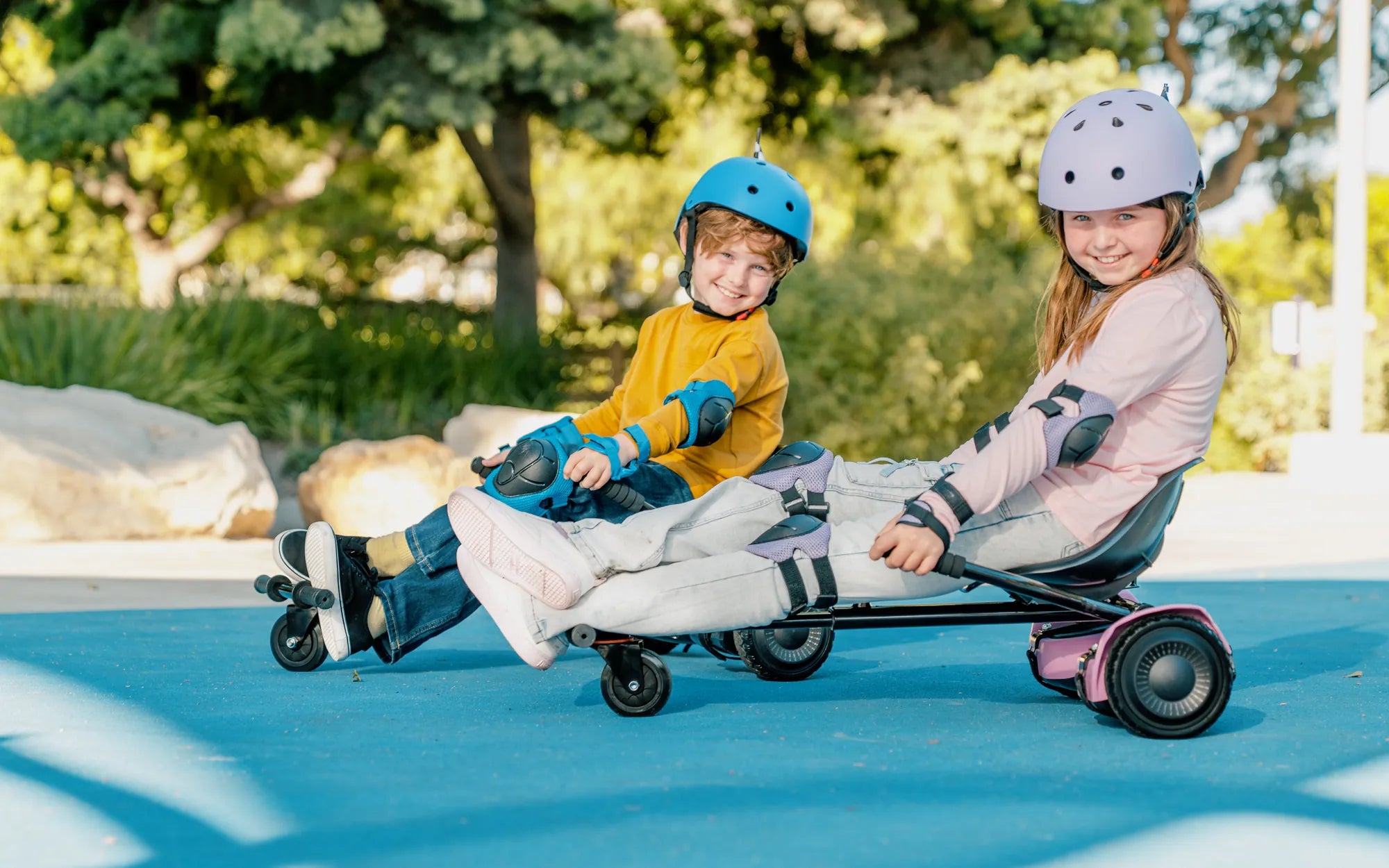
A CPSC-certified bicycle helmet is mandatory for every single ride, regardless of distance or skill level. For heavier riders, the potential energy in a fall is greater, making head protection non-negotiable.
Knee and elbow pads significantly reduce the risk of abrasions and fractures, particularly during the learning phase. Padded gloves protect hands during a fall and improve grip. High-visibility clothing or a reflective vest is crucial for evening rides.
Invest in quality gear that fits properly. Ill-fitting helmets or pads can shift or fail on impact. This kit should be as routine as putting on shoes before riding. Making it a non-debatable rule sets a lifelong safety precedent.
Lead by example. If parents ride alongside, they should wear full protective gear as well. This reinforces the message that safety is a priority, not an option, for all riders.
Pre-Ride Checklists and Riding Etiquette
Establish a 60-second pre-ride ritual. Check tire pressure (for pneumatic tires), test both brakes for responsiveness, ensure the folding mechanism is fully locked, and verify that lights are functional. Quickly inspect for any loose bolts or visible damage.
Riding etiquette is critical for coexistence. On sidewalks, reduce speed to walking pace when pedestrians are present and always yield. Use bike lanes where available. Obey all traffic signals and crosswalks when crossing streets. Never ride with headphones in.
Supervise initial rides in a controlled, car-free environment like an empty parking lot. Practice emergency stops, controlled turns, and navigating small obstacles. Discuss and enforce rules about avoiding wet leaves, sand, and gravel, which can cause slips.
Set clear boundaries for where riding is permitted. Establish a firm rule against riding after dark unless absolutely necessary and with full reflective gear and lights. Adult supervision is recommended until the rider demonstrates consistent, responsible judgment.
Maximizing Your Scooter's Lifespan
Follow the manufacturer's charging guidelines. Avoid letting the battery fully deplete. Store the scooter and battery in a dry, temperature-stable environment, avoiding extreme heat or cold which degrades battery health.
Clean the scooter regularly with a damp cloth to remove dirt and debris, especially from the brake discs and wheel axles. Avoid high-pressure water sprays that can force water into bearings or electronics, even on water-resistant models.
Every few months, check and tighten fasteners (stem, handlebar, brake calipers) with the appropriate tools, as vibration can loosen them over time. Listen for new noises—squeaks, rattles, or grinding sounds can indicate a need for lubrication or adjustment.
Adhering to these practices not only extends the scooter's life but also maintains its safety performance. It also ensures you remain within the terms of the manufacturer's warranty, protecting your investment.
Frequently Asked Questions (FAQs)
What happens if my child exceeds the weight limit?
Exceeding the weight limit voids the warranty and creates significant safety risks. Components are stressed beyond their design specifications, leading to potential motor burnout, accelerated battery degradation, frame cracking, and brake failure. Performance will be severely compromised, with poor hill climbing, drastically reduced range, and unstable handling. Always choose a scooter with a rated capacity well above your child's weight.
Are electric scooters with seats better for heavier kids?
Not necessarily. A seat adds weight and changes the center of gravity. While it may seem more comfortable, the scooter's fundamental specifications—weight capacity, motor power, brake strength—are what matter most. A seated scooter with inadequate specs is just as unsafe. If a seat is desired, ensure the base scooter platform is engineered for heavy-duty use. The seat should be an optional accessory on a robust chassis, not a feature on a lightweight model.
How do I know if the brakes are strong enough?
Look for a dual-brake system featuring at least one mechanical disc brake. Disc brakes offer the most consistent and powerful stopping force. Check manufacturer specs for braking distance, though real-world tests are best. During a safe, initial test ride (by an adult), conduct controlled braking tests from a moderate speed on a dry, flat surface. The scooter should stop smoothly and straight without the brakes feeling spongy or the rear wheel locking and skidding. Brake responsiveness should feel immediate and confident.
Can the scooter handle a slight hill in our neighborhood?
This depends entirely on the motor power and the rider's weight. A 300W motor may struggle with a 5% grade for a 180 lb rider, slowing to a crawl. A 500W+ motor should handle it comfortably. To assess, find the hill's approximate grade. Then, check the scooter's specifications for hill-climb ability (often given as a maximum grade, e.g., 15%). If not listed, a motor of 500W or more is a good indicator it can manage typical neighborhood inclines without straining.
What is the true expected range for a 150 lb rider vs. a 220 lb rider?
Range is inversely proportional to weight and riding style. As a rule of thumb, you can expect a 25-40% reduction in advertised range for a significantly heavier rider. If a scooter advertises 20 miles for a 150 lb rider, a 220 lb rider can realistically expect 12-15 miles under similar conditions (flat terrain, moderate speed). Factors like frequent stopping/starting, hill climbing, and cold weather will reduce this further. Always prioritize a larger battery (higher Ah rating) to maximize real-world range for a heavier child.
Investing in Safe, Empowered Adventures
Choosing the right electric scooter for a heavy kid is a decision that blends practical engineering with the promise of childhood freedom. It's about providing a tool that is equal to the task—a vehicle that doesn't just move your child, but does so with stability, responsiveness, and unwavering reliability. The data is clear: prioritizing a high weight capacity, a powerful motor, a robust battery, and superior brakes isn't an extravagance; it's the foundation of safety.
This investment pays dividends in confidence. Your child gains the independence of mobility without the anxiety of equipment that groans and falters under their weight. They experience the genuine fun of a ride that feels solid and controlled, opening up new avenues for exploration and activity.
By using this guide to make an informed, specification-driven choice, you move beyond guesswork. You select a scooter where every component, from the UL-certified battery to the reinforced deck, is aligned with the goal of safe, enduring performance. Trusted brands like Gyroor have built their reputations on this very principle, engineering scooters that meet the rigorous demands of a diverse rider base.
Ready to find a scooter that combines thrilling performance with uncompromising safety for your child? Explore engineering-built models designed for real-world durability and take the first step toward countless safe adventures. Browse the full Gyroor collection at gyroorboard.com to discover electric scooters engineered to empower every ride.
Hoverboard Run Time: How Long Can You Ride Before Needing a Charge?
Electronic Balancing Scooter: The Future of Personal Transportation