

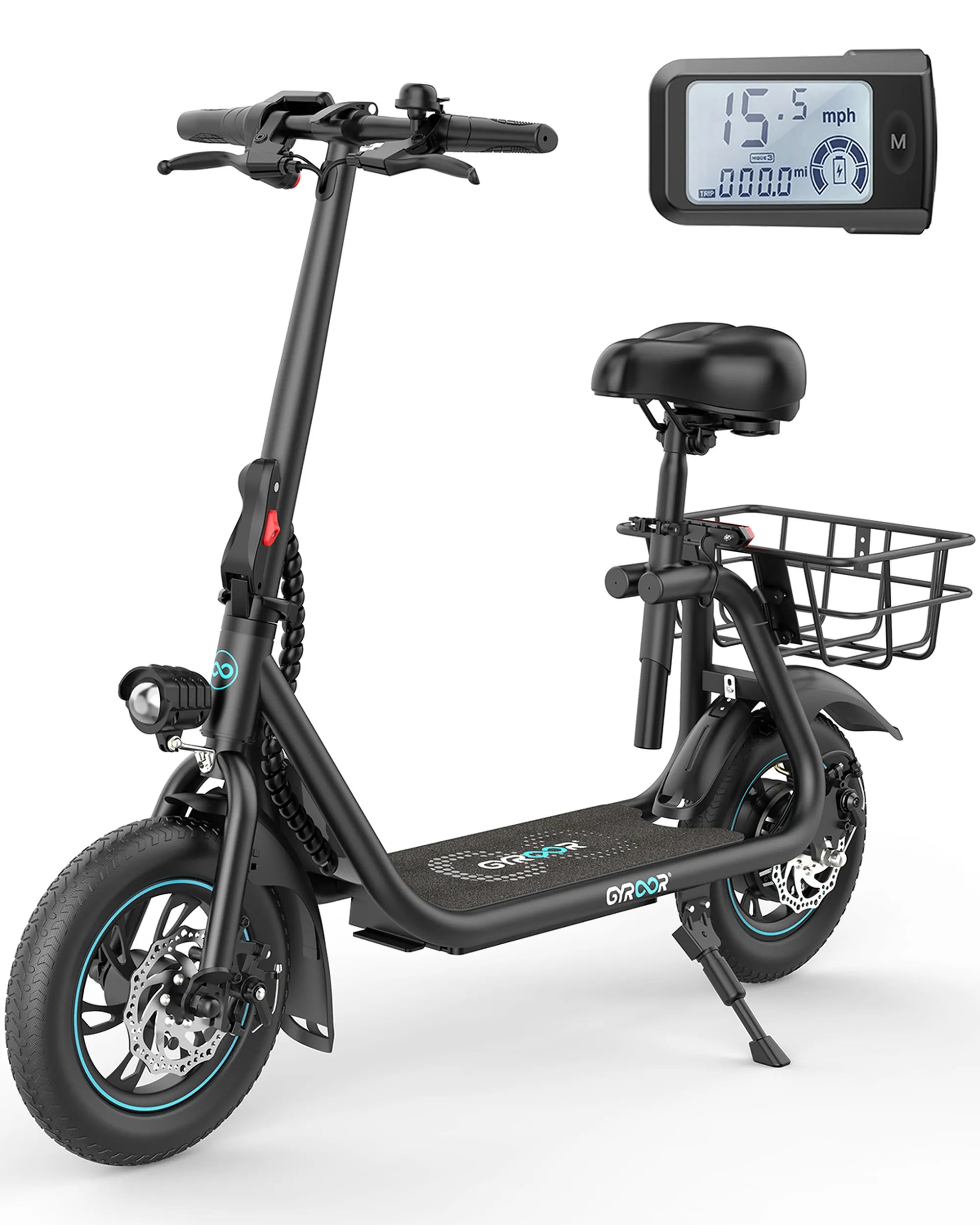
Is your electric scooter suddenly losing power, leaving you stranded or struggling to maintain speed? This frustrating issue can stem from various causes, from battery problems to mechanical failures. Understanding why your electric scooter is losing power is the first step toward getting back on the road with confidence.
Common Reasons Why Your Electric Scooter Loses Power
Electric scooters are convenient, eco-friendly, and fun, but they can experience performance issues over time. Here are the most common reasons your scooter might be losing power:
1. Battery Issues
The battery is the heart of your electric scooter. If it’s not functioning properly, your scooter will struggle to maintain power. Common battery-related problems include:
- Low Charge: If the battery isn’t fully charged, your scooter may lose power quickly.
- Aging Battery: Over time, batteries degrade and hold less charge, reducing performance.
- Faulty Connections: Loose or corroded battery terminals can disrupt power flow.
2. Motor Overheating
Electric scooter motors can overheat, especially during prolonged use or uphill rides. When the motor overheats, it may throttle power to prevent damage, leading to sudden drops in speed.
3. Worn-Out Tires
Underinflated or worn tires increase rolling resistance, forcing the motor to work harder and drain power faster.
4. Brake Drag
If the brakes are misaligned or sticking, they can create unnecessary friction, causing the scooter to lose power.
5. Controller Malfunction
The controller regulates power delivery from the battery to the motor. A failing controller can cause erratic power loss.
How to Troubleshoot Power Loss in Your Electric Scooter
If your electric scooter is losing power, follow these steps to diagnose and fix the issue:
1. Check the Battery
Start by ensuring the battery is fully charged. If the scooter still loses power quickly, inspect the battery terminals for corrosion or loose connections. Consider replacing an old or damaged battery.
2. Monitor Motor Temperature
If the motor feels excessively hot after use, allow it to cool down before riding again. Avoid steep inclines or prolonged high-speed rides to prevent overheating.
3. Inspect Tires and Brakes
Check tire pressure and tread condition. Inflate tires to the recommended PSI and replace worn-out tires. Test the brakes—if they drag, adjust or replace them.
4. Test the Controller
If other components seem fine, the controller may be faulty. Consult a professional for diagnostics and replacement if needed.
Preventive Maintenance to Avoid Power Loss
Regular maintenance can help prevent power loss and extend your scooter’s lifespan. Follow these tips:
- Charge Properly: Avoid overcharging or letting the battery drain completely.
- Clean Regularly: Keep the scooter free of dirt and debris, especially around the motor and battery.
- Store Correctly: Keep the scooter in a dry, temperature-controlled environment when not in use.
- Schedule Check-Ups: Have a professional inspect your scooter annually for hidden issues.
Don’t let power loss ruin your electric scooter experience. By identifying the cause and taking proactive steps, you can enjoy a smooth, reliable ride every time. Whether it’s a simple battery fix or a motor adjustment, addressing the issue early will save you time and frustration down the road.
Electric Scooter 3000W 60V: The Ultimate Guide to High-Performance Riding
China Powerful Electric Scooter: The Future of Urban Mobility