



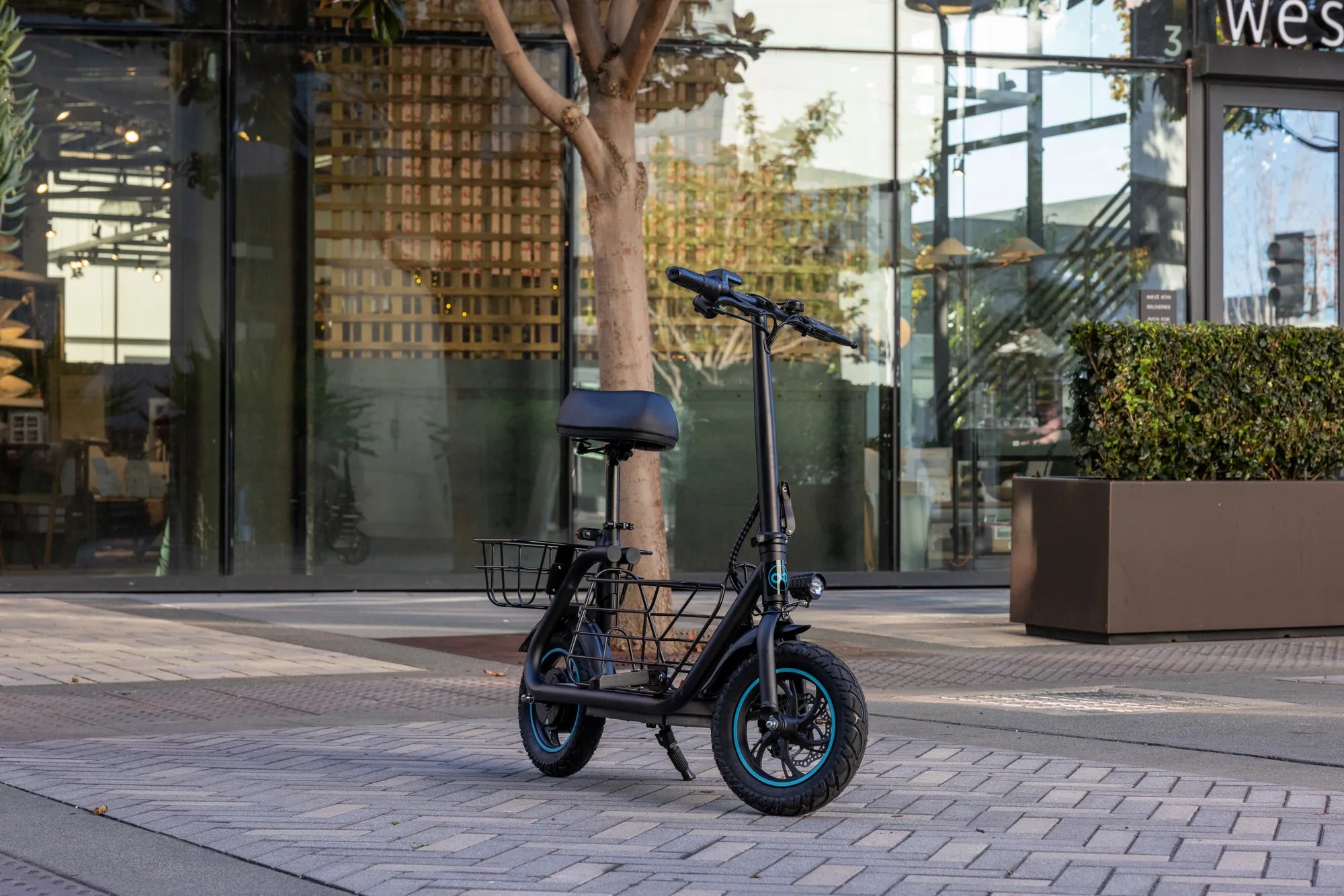
The electric scooter market is booming, and it's not hard to see why. With cities becoming more congested and environmental concerns taking center stage, these nimble, eco-friendly vehicles are transforming urban mobility. Whether you're a commuter looking for a faster way to get to work or a city planner aiming to reduce carbon emissions, electric scooters offer a compelling solution. But what's driving this explosive growth, and what does the future hold? Let's dive in.
The Rise of Electric Scooters
Over the past decade, the electric scooter market has grown at an unprecedented rate. Urbanization is a major factor, as densely populated cities seek efficient, low-cost transportation alternatives. Electric scooters provide a convenient way to navigate traffic-congested streets, reducing commute times and lowering transportation costs. Additionally, governments worldwide are implementing policies to promote clean energy, further accelerating adoption.
Key Drivers of Market Growth
Several factors are fueling the expansion of the electric scooter market:
- Environmental Concerns: With climate change becoming a pressing issue, consumers and policymakers are prioritizing sustainable transportation options. Electric scooters produce zero emissions, making them an attractive alternative to gas-powered vehicles.
- Technological Advancements: Improvements in battery technology, motor efficiency, and lightweight materials have made electric scooters more reliable and affordable.
- Shared Mobility Services: The rise of scooter-sharing platforms has made these vehicles accessible to a broader audience, eliminating the need for ownership.
- Government Incentives: Many countries offer subsidies, tax breaks, and infrastructure investments to encourage the adoption of electric scooters.
Challenges Facing the Industry
Despite its rapid growth, the electric scooter market faces several hurdles:
- Regulatory Uncertainty: Many cities are still grappling with how to regulate electric scooters, leading to inconsistent policies and restrictions.
- Safety Concerns: Accidents involving electric scooters have raised questions about rider safety and infrastructure readiness.
- Battery Disposal: The environmental impact of lithium-ion battery disposal remains a concern, requiring sustainable recycling solutions.
- Competition: The market is becoming increasingly crowded, with new entrants vying for dominance.
Future Opportunities
The electric scooter market is poised for continued growth, with several emerging opportunities:
- Smart Scooters: Integration with IoT and AI could enable features like predictive maintenance, theft prevention, and route optimization.
- Expansion into Emerging Markets: Developing countries with high urbanization rates present untapped potential for electric scooter adoption.
- Infrastructure Development: Investments in dedicated lanes, charging stations, and parking facilities could further boost market growth.
- Subscription Models: Flexible ownership options, such as monthly subscriptions, could attract more users.
The electric scooter market is more than just a trend—it's a revolution in urban transportation. As technology evolves and cities adapt, these vehicles will play an increasingly vital role in shaping the future of mobility. Whether you're an investor, a policymaker, or simply someone looking for a greener way to get around, now is the time to pay attention. The road ahead is electric, and the opportunities are endless.
Best Rated Self Balancing Electric Scooter: The Ultimate Guide for 2024
Electric Scooter 24V 250W: The Ultimate Guide to Efficiency and Performance