

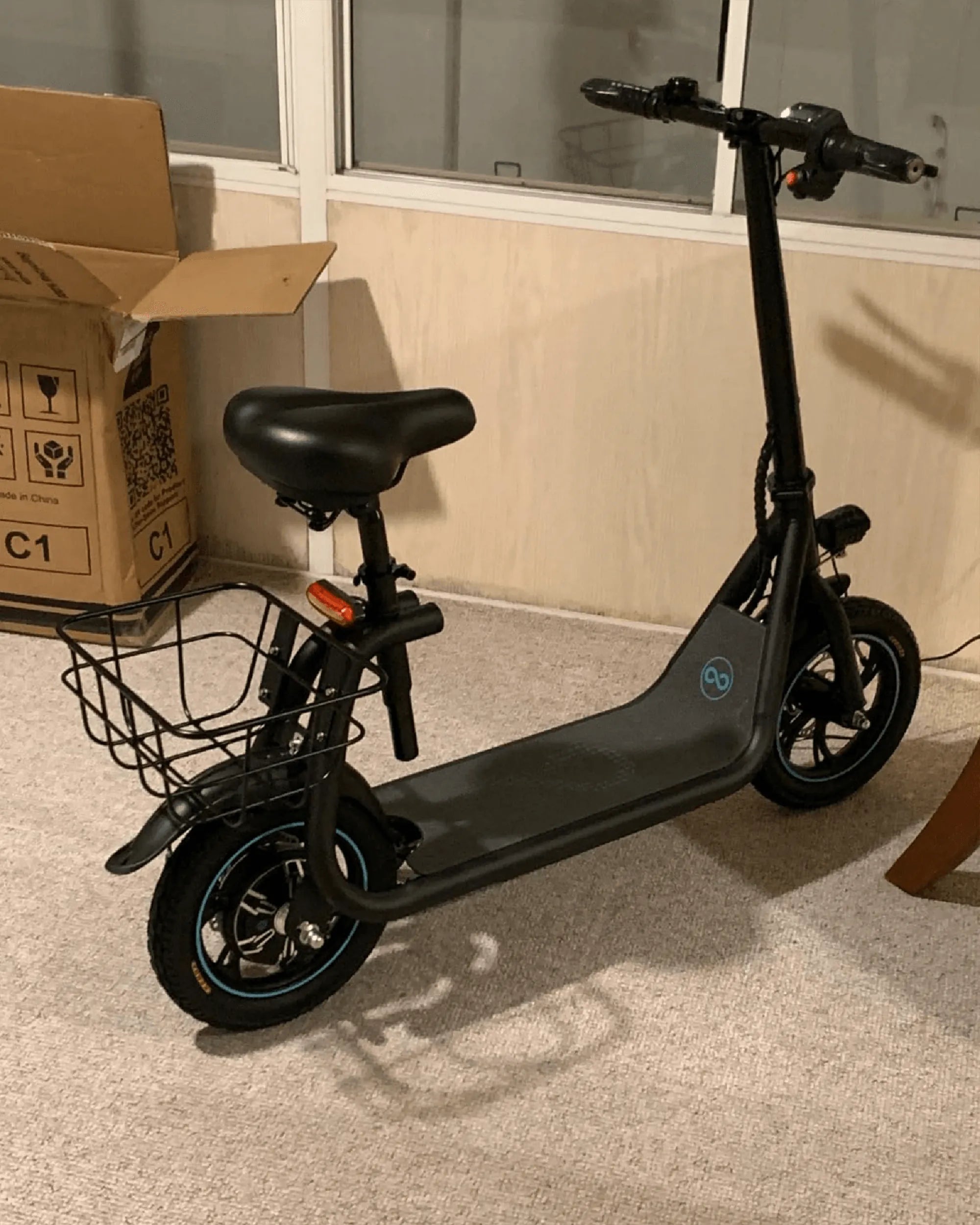
Few things are as frustrating as hopping on your electric scooter, only to find it won’t accelerate. Whether you rely on it for daily commutes or weekend fun, a non-responsive scooter can throw a wrench in your plans. But before you panic, know that most acceleration issues are fixable with a little troubleshooting.
Why Your Electric Scooter Won’t Accelerate
Several factors can prevent your electric scooter from accelerating properly. Below are the most common culprits and how to address them.
1. Battery Issues
A weak or dead battery is one of the top reasons an electric scooter won’t accelerate. If the battery isn’t holding a charge, the motor won’t receive enough power to move.
- Check the charge level: Ensure the battery is fully charged before riding.
- Inspect the connections: Loose or corroded battery terminals can disrupt power flow.
- Test the battery: If the scooter still doesn’t accelerate after charging, the battery may need replacement.
2. Throttle Problems
The throttle is what sends the signal to the motor to accelerate. If it’s faulty, the scooter won’t respond when you twist or press it.
- Check for physical damage: Look for cracks or loose wires in the throttle assembly.
- Test the throttle: Use a multimeter to verify it’s sending the correct signal.
- Replace if necessary: A malfunctioning throttle may need to be swapped out.
3. Motor Malfunction
If the motor isn’t working, the scooter won’t move, no matter how much you rev the throttle.
- Listen for unusual sounds: Grinding or clicking noises may indicate motor issues.
- Check the wiring: Loose or damaged motor wires can prevent proper operation.
- Consult a professional: Motor repairs can be complex and may require expert help.
4. Controller Failure
The controller acts as the brain of the scooter, regulating power between the battery and motor. If it fails, acceleration problems are likely.
- Look for error codes: Some scooters display error messages when the controller malfunctions.
- Inspect for overheating: A burnt smell or excessive heat near the controller is a red flag.
- Replace the controller: If diagnostics confirm a failure, a new controller may be necessary.
5. Brake Sensor Interference
Many electric scooters have safety features that prevent acceleration if the brakes are engaged or the sensors are faulty.
- Check the brake levers: Ensure they’re not stuck or misaligned.
- Test the sensors: Use a multimeter to verify the brake sensors are functioning.
- Adjust or replace: Faulty sensors may need recalibration or replacement.
Preventive Maintenance Tips
To avoid future acceleration issues, follow these maintenance best practices:
- Charge the battery regularly: Don’t let it drain completely.
- Keep connections clean: Dirt and moisture can cause electrical problems.
- Inspect components often: Look for wear and tear on the throttle, brakes, and wiring.
Don’t let a sluggish scooter ruin your ride. By diagnosing the issue methodically, you can often fix the problem yourself and get back to zipping around town in no time. If all else fails, a professional repair service can help get your wheels moving again.
Electric Scooter Brake Replacement: A Complete Guide to Safe and Efficient Maintenance
72v Electric Scooter Price: What You Need to Know Before Buying