

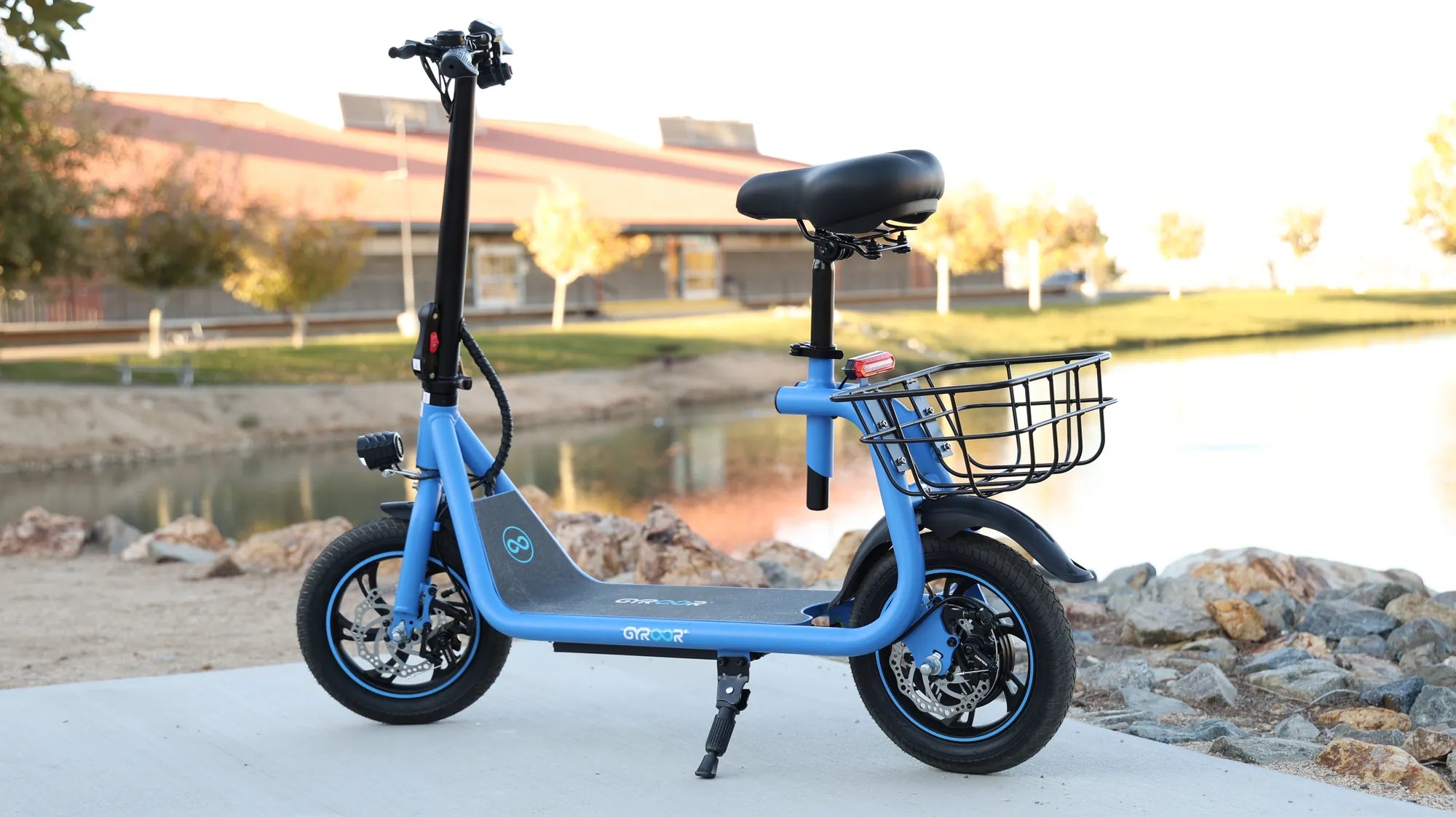
Electric scooters have revolutionized urban mobility, offering a convenient and eco-friendly way to navigate crowded streets. But have you ever wondered what makes these sleek machines tick? Knowing the electric scooter parts name and their functions can help you maintain, repair, or even upgrade your ride. From the motor to the brakes, every component plays a crucial role in ensuring a smooth and safe journey. Let’s dive into the world of electric scooter parts and uncover what keeps them rolling.
Motor
The motor is the heart of an electric scooter, converting electrical energy into mechanical motion. Most scooters use either a hub motor or a chain-driven motor. Hub motors are integrated into the wheels, providing a quieter and more efficient ride, while chain-driven motors offer higher torque for steep inclines. Understanding the motor type and power rating (measured in watts) can help you choose a scooter that matches your commuting needs.
Battery
The battery is the lifeblood of your electric scooter, storing the energy needed to power the motor. Common types include lithium-ion and lead-acid batteries, with lithium-ion being the preferred choice due to its lightweight and long lifespan. Battery capacity, measured in watt-hours (Wh), determines how far you can travel on a single charge. Proper charging and storage practices can extend your battery’s life and performance.
Controller
The controller acts as the brain of the scooter, regulating the flow of electricity from the battery to the motor. It interprets signals from the throttle and brakes, adjusting speed and power output accordingly. A high-quality controller ensures smooth acceleration and efficient energy use, while a faulty one can lead to erratic performance or even safety hazards.
Throttle
The throttle is your primary interface for controlling speed. Most electric scooters feature a thumb throttle or twist grip throttle, allowing you to accelerate with ease. Some advanced models even include regenerative throttles that recharge the battery during braking. Familiarizing yourself with your throttle’s responsiveness can improve your riding experience.
Brakes
Brakes are critical for safety, and electric scooters typically come with one or more of the following types: disc brakes, drum brakes, or electronic brakes. Disc brakes offer strong stopping power, while drum brakes require less maintenance. Electronic brakes, often combined with regenerative braking, can help conserve energy. Regular inspection and maintenance of your brakes are essential to prevent accidents.
Tires
Tires come in two main varieties: pneumatic (air-filled) and solid (airless). Pneumatic tires provide better shock absorption and traction but are prone to punctures. Solid tires, on the other hand, are maintenance-free but can make rides less comfortable. Choosing the right tire type depends on your terrain and riding preferences.
Suspension
Suspension systems absorb shocks from uneven surfaces, ensuring a smoother ride. Common types include spring, hydraulic, and rubber suspension. While not all scooters have suspension, those that do offer enhanced comfort, especially on rough roads. If you frequently ride over bumps or potholes, a scooter with good suspension is a worthwhile investment.
Deck
The deck is the platform where you stand while riding. It’s usually made of durable materials like aluminum or reinforced plastic. A wider deck provides better stability, while a narrower one offers more agility. Some decks also feature anti-slip surfaces to prevent accidents in wet conditions.
Stem and Handlebars
The stem connects the handlebars to the deck, and its design affects the scooter’s foldability and portability. Handlebars house the throttle, brakes, and sometimes a display panel. Adjustable handlebars allow for a customized riding position, reducing strain on your wrists and back during long rides.
Lights
Lights are essential for visibility and safety, especially at night. Most scooters come with front and rear LED lights, and some include additional features like brake lights or turn signals. If your scooter lacks adequate lighting, consider adding aftermarket lights to stay visible to other road users.
Display Panel
The display panel provides real-time information such as speed, battery level, and riding mode. Advanced displays may also include Bluetooth connectivity or navigation features. A clear and intuitive display can help you monitor your ride and make adjustments on the go.
Charger
The charger replenishes your scooter’s battery, and its specifications (voltage and amperage) must match your battery’s requirements. Using the wrong charger can damage the battery or pose a fire risk. Always follow the manufacturer’s guidelines for charging to ensure longevity and safety.
Folding Mechanism
For commuters, a folding mechanism is a game-changer, allowing the scooter to be compacted for easy storage or transport. However, frequent folding can wear out the mechanism over time, so regular lubrication and inspection are recommended to keep it functioning smoothly.
Now that you’re familiar with the electric scooter parts name and their roles, you’re better equipped to maintain, troubleshoot, or upgrade your ride. Whether you’re a daily commuter or a weekend adventurer, understanding these components will enhance your scooter’s performance and longevity. So, the next time you hop on your electric scooter, you’ll appreciate the intricate engineering that makes every ride possible.
30 mph electric scooter uk: The Ultimate Guide to Speed and Legality
Electric Chopper Scooter for Adults: The Ultimate Urban Commuting Solution